In a nutshell: Starting at $1,500, Microsoft's new Surface for Business devices feature Intel Panther Lake processors and offer up to 64GB of RAM, with one model introducing a privacy screen. Snapdragon X2-powered versions, along with a cheaper 8GB Intel variant, are also coming later this year.
Orders are now open for two new Microsoft Surface for Business laptops and a new 2-in-1, with additional models coming later this year. The company is not quite ready to answer Apple's new budget MacBook Neo (though other Windows laptop manufacturers have already started trying) or to address the RAM crisis, as these are relatively high-end enterprise devices.
The new 13-inch laptop includes a Core Ultra 5 325 CPU with the choice of 16GB or 32GB of LPDDR5X RAM. Although this model starts at $1,500, Microsoft is set to release an 8GB version for just $1,300 in the coming months, likely in response to the RAM shortages stemming from demand for AI data centers.
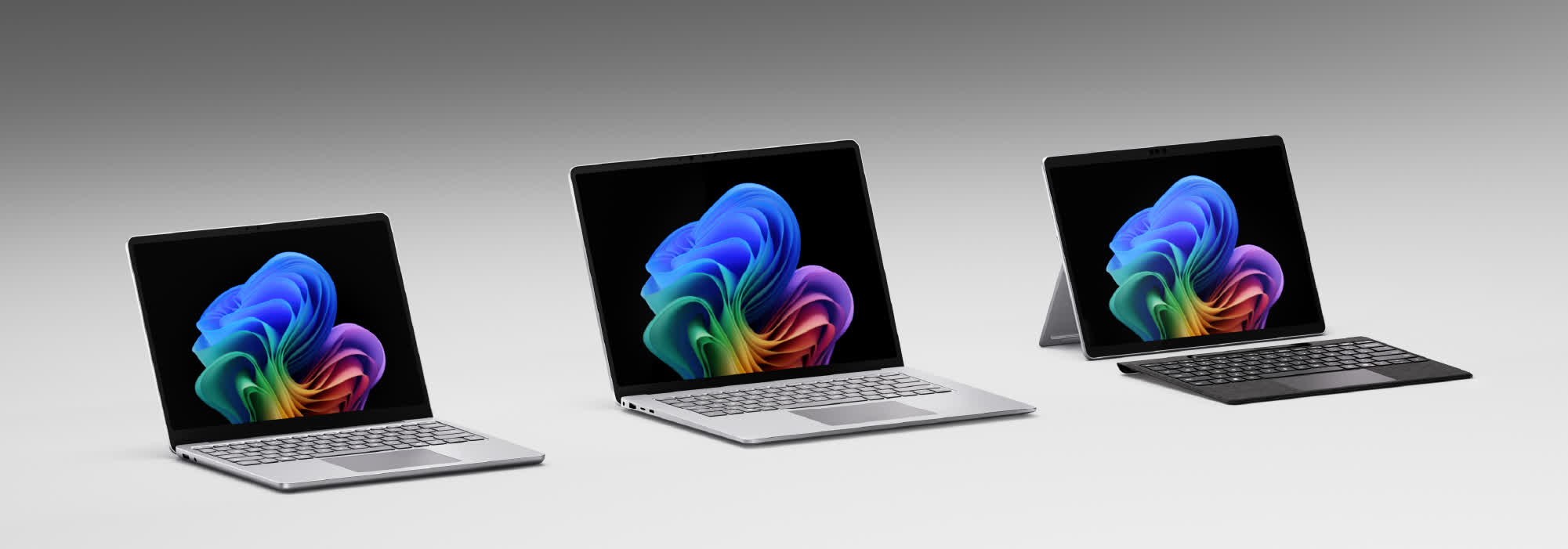
The touchscreen is relatively standard, with a 60Hz refresh rate and a resolution of 1,920 x 1,280. Microsoft promises 22 hours of local video playback and 14 hours of web browsing while running on battery. Two USB-C 3.2 ports support DisplayPort 2.1 connections with up to two 60Hz 4K monitors and 60W charging. All other variants announced by Microsoft this week also support Thunderbolt 4.
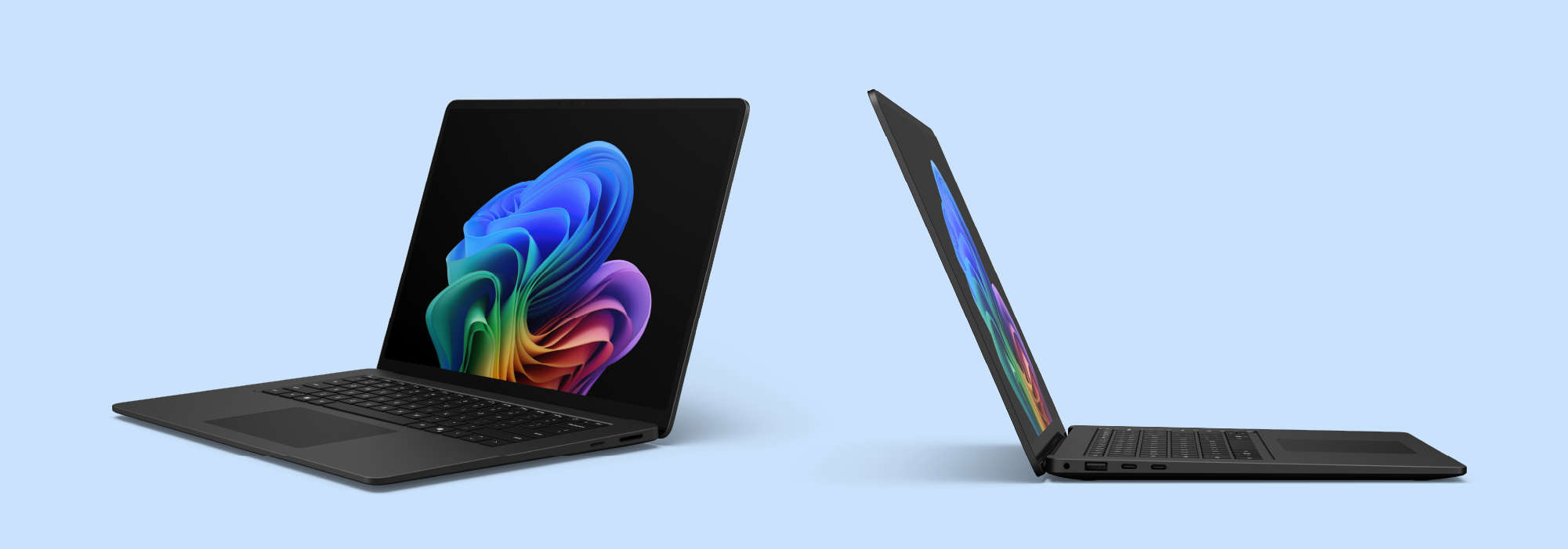
Meanwhile, the larger laptop and the 13-inch 2-in-1 start at around $2,000 and can be configured with up to 64GB of RAM. The tablet-style model supports either a Core Ultra 5 335 or a Core Ultra 7 366H processor. The laptop, available with a 13.8-inch (2,304 x 1,536) or 15-inch (3,270 x 2,180) panel, can also include a Core Ultra X7 368H with Intel Arc integrated graphics.
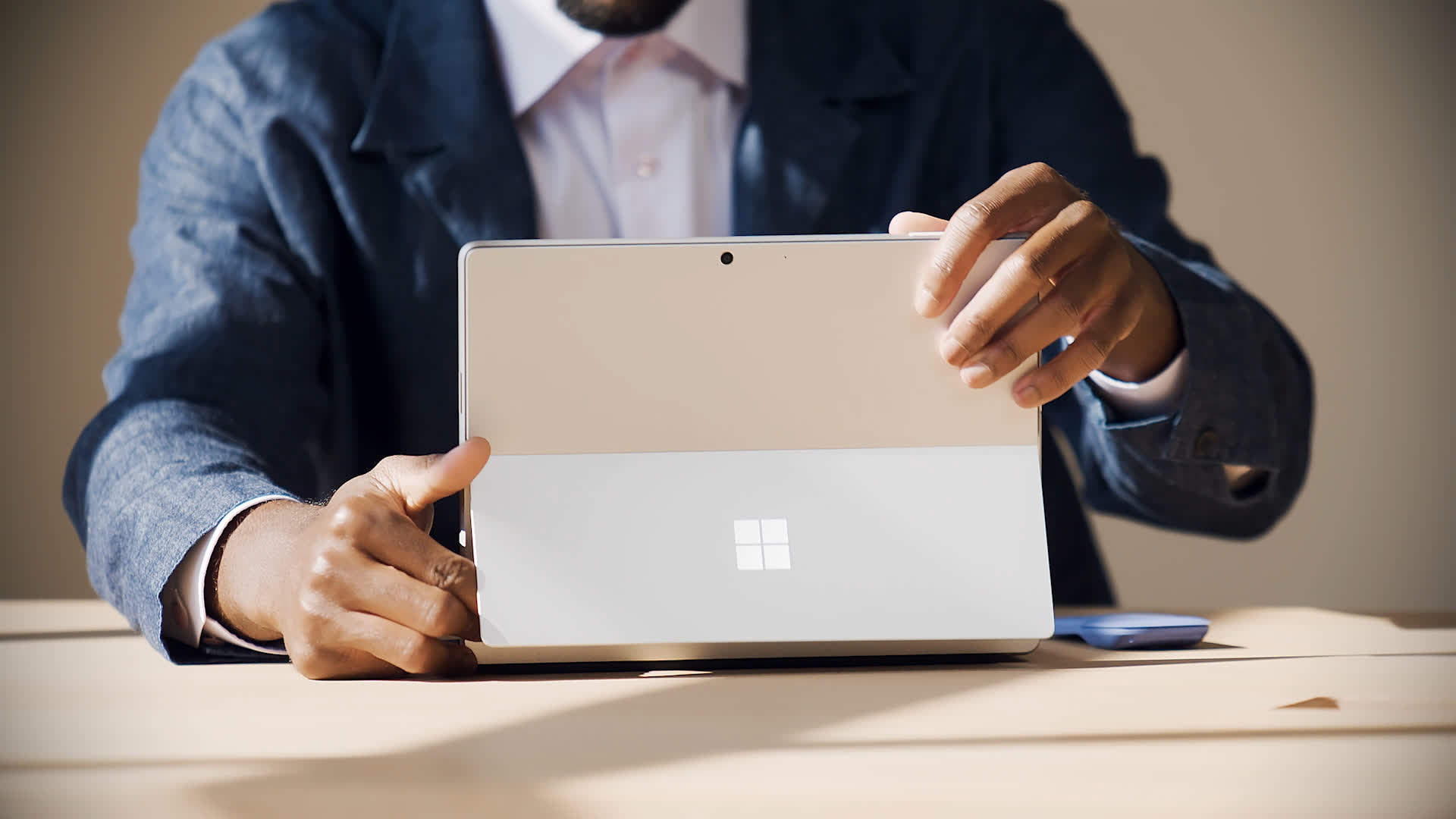
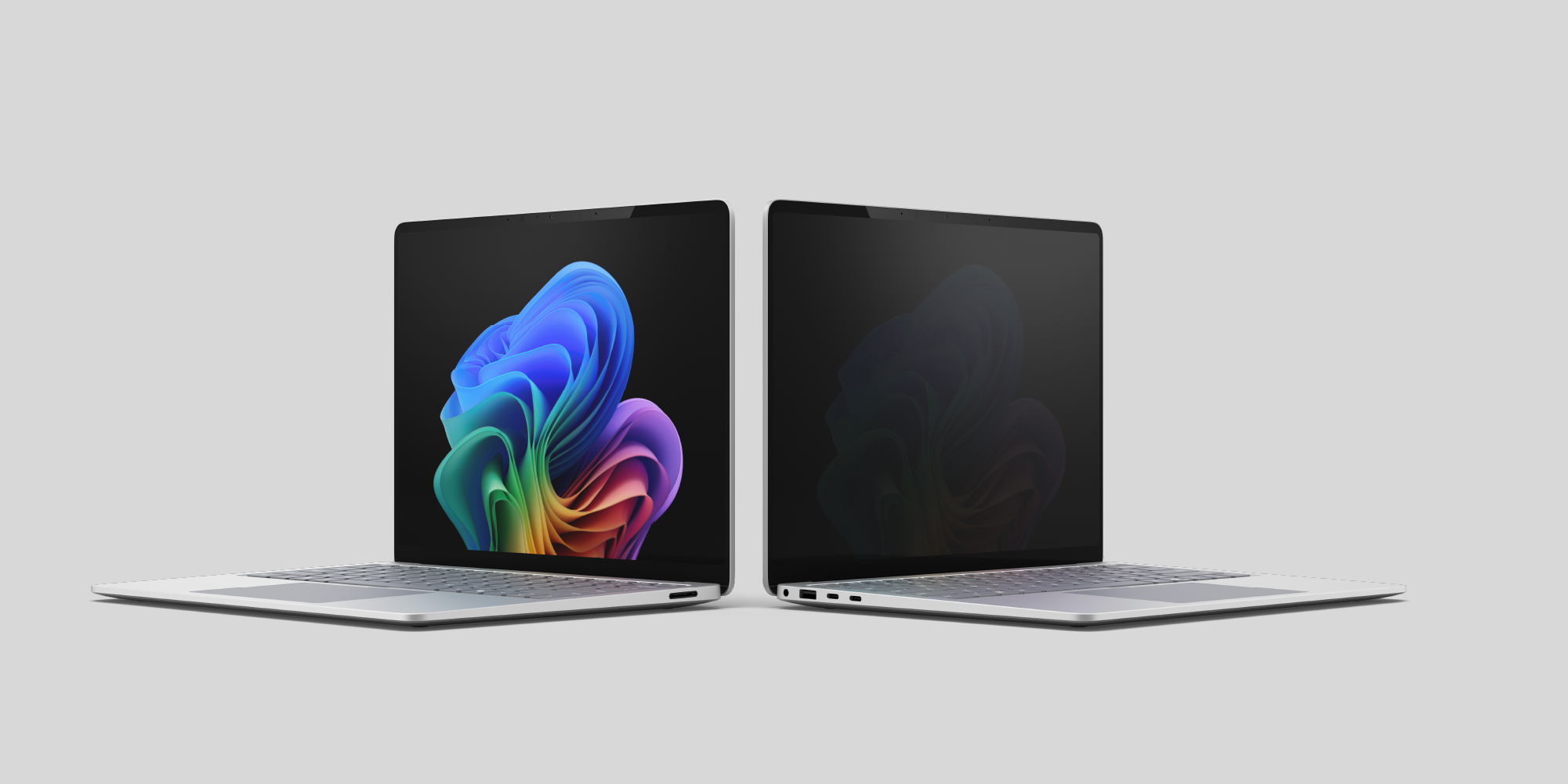
The screens for the two devices support Dolby Vision IQ HDR with dynamic refresh rates of up to 120Hz. The 2-in-1 is available with either an LCD or an OLED panel, while the 13.8-inch laptop features the Surface brand's first-ever anti-glare privacy screen. All new models include removable PCIe 4.0 SSDs and come with capacities up to 1TB.
As other laptop makers scramble to match or undercut the MacBook Neo's $600 price tag, component shortages recently forced Microsoft to raise the prices of all its entry-level Surface notebooks above $1,000. Meanwhile, Dell's gaming laptops are now forced to rely on GPUs from two generations ago just to stay under $1,300.