
A hot potato: Anti-data center sentiment has intensified in the US since the AI boom began around 2022. However, the US is far from the only country in which data centers, built for AI and other technologies, negatively impact power and water supplies. In Chile, they are one of several factors driving a historic water crisis.
The Quilicura wetland, just north of Chile's capital, Santiago, has the largest concentration of data centers in Latin America. Consuming billions of liters of water annually, data centers have exacerbated dry conditions in a swamp already suffering from the worst drought in over 100 years of recordkeeping.
Although generative AI has brought more attention to the issue as data centers impact communities across the globe, particularly in the US, Chile's data center boom actually began in 2015, long before the birth of ChatGPT. Google began building data centers in the area as the government sought to promote Chile as a regional tech hub. Six now occupy the Quilicura area, among 33 operating in Chile, with another 34 planned.
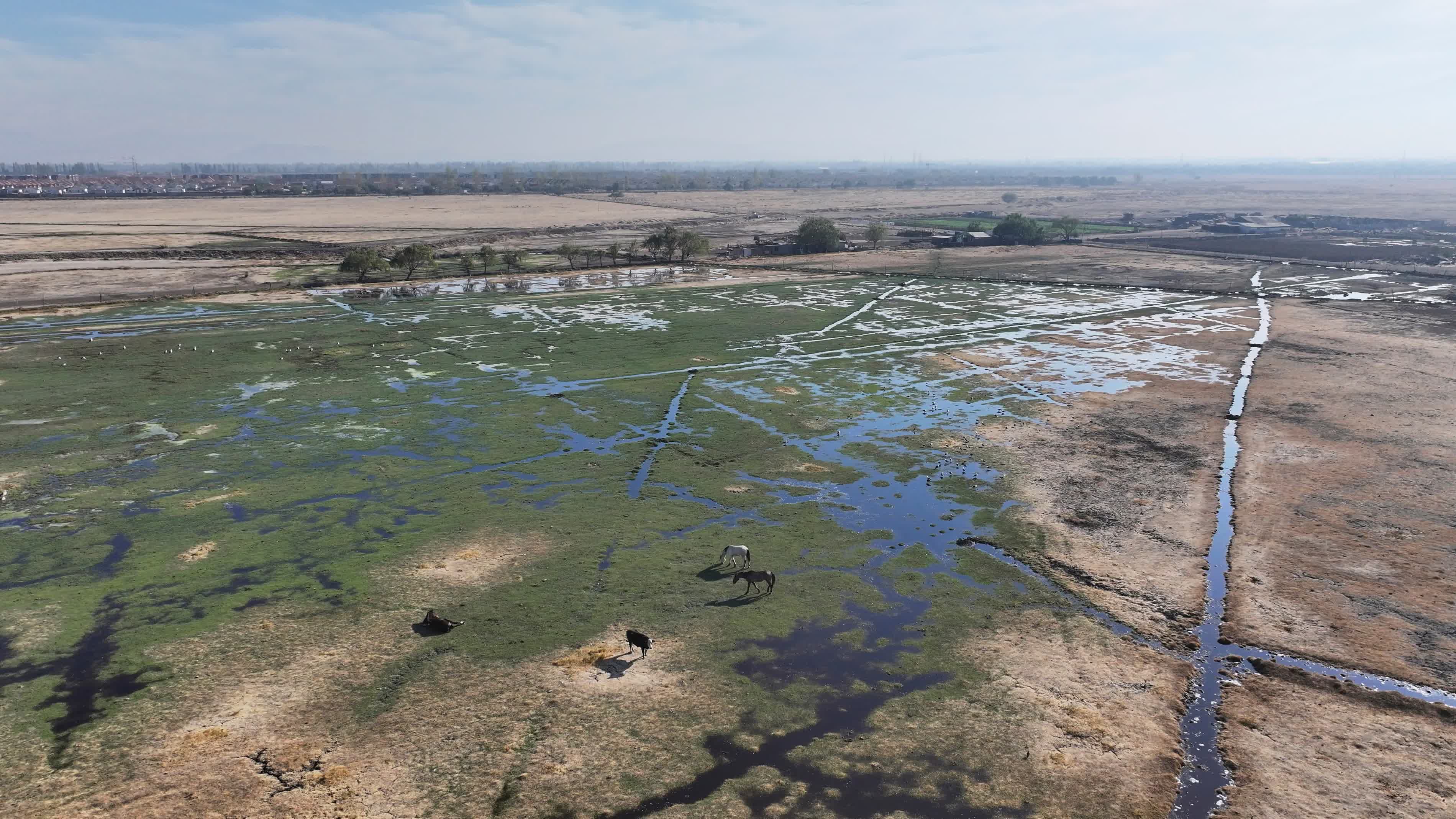
A 2022 report estimated that data centers built by Google, Microsoft, Sonda, and other tech companies consume around 1.5 billion liters of water from Quilicura annually. Google alone acquired the right to extract 50 liters per second.
The company could do this because Chile has one of the world's most privatized water systems. The country's constitution, a relic of the Pinochet dictatorship, is the only one in the world that explicitly defines water as private property. Over the past several decades, agriculture, tech, and other industries have diverted water from lakes and wetlands, turning the issue into a flashpoint for mass protests.
All of these issues are worsening Chile's worst natural drought on record. Droughts lasting one to two years are common in the region, but a megadrought that began in 2010 has shown no signs of letting up. Rainfall levels have remained below normal for the longest stretch since record keeping began in 1915, and paleoclimatologists estimate that Chile is currently experiencing its worst drought in a millennium.
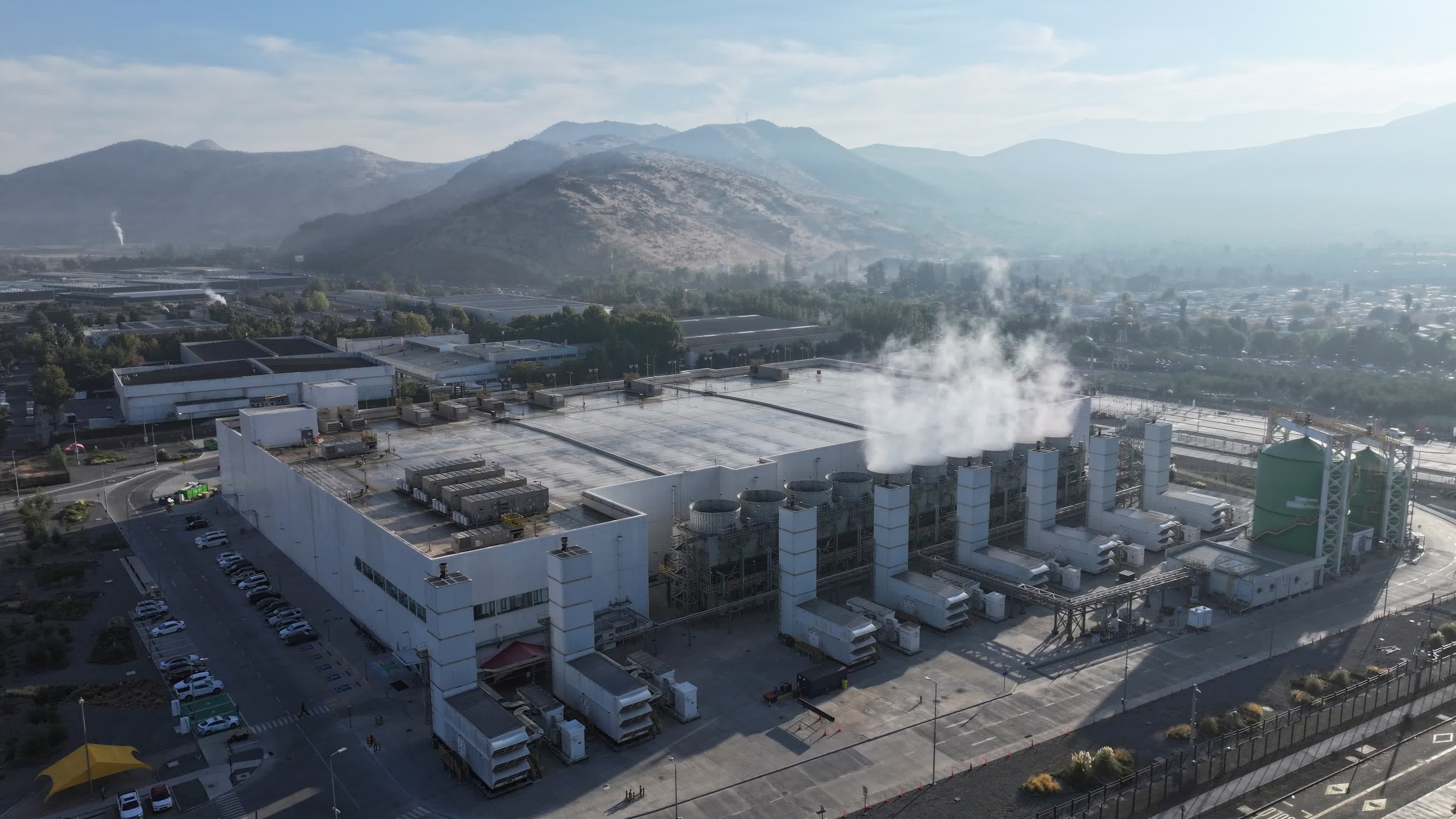
Microsoft and Brazilian company Ascenty claim that some of Chile's data centers are air-cooled, and Google recently claimed that a Quilicura data center used less water than a golf course. Companies have also attempted to offset the impact with environmental projects, such as planting trees, but locals say the offsets have largely failed.
Some experts propose relocating data centers to southern Chile, where drought conditions are less severe. Despite widespread demands for stricter water regulation during the crisis, the country's government recently withdrew dozens of environmental decrees and began promoting investment over regulation.