Nvidia's succession scramble, a widening spy probe, and everyone's pick for CEO
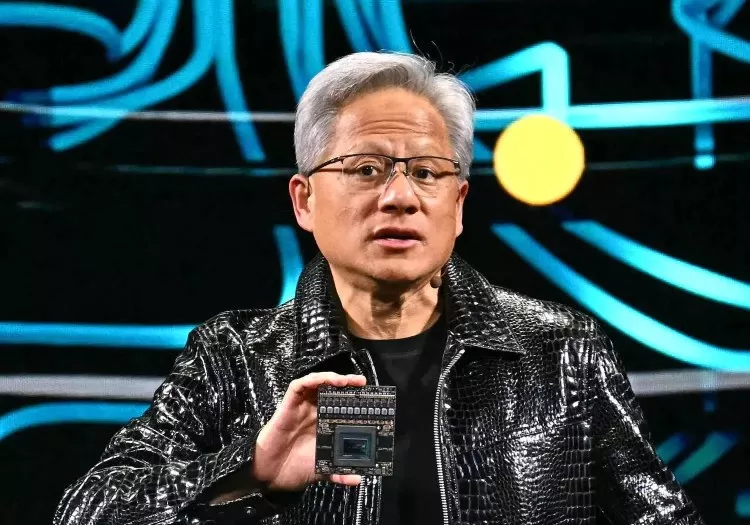
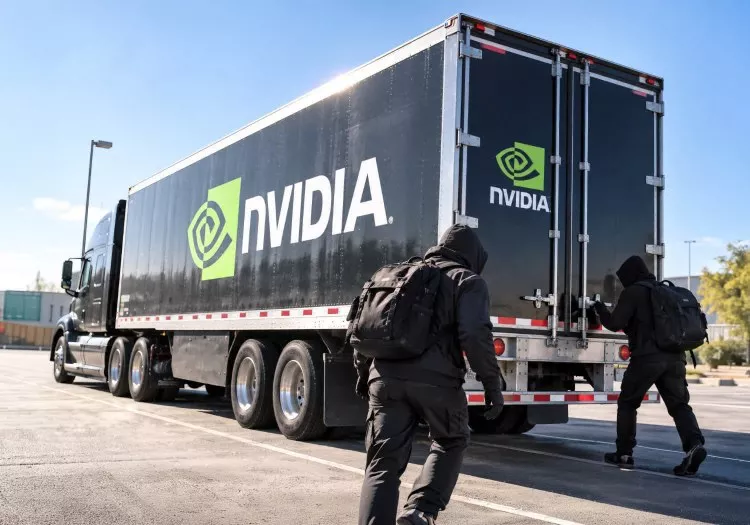
THE AFTERMATH: Jensen Huang's resignation this morning ends Nvidia's 33-year founder era, but it doesn't end the story. There's a search for a successor with no obvious candidate, an espionage case now touching four governments, a congressional hearing, and a growing roster of people offering their own picks for who should run the world's most important AI chipmaker.
Pricing starts at $700 for an eight-core part, while the top chip reportedly costs $14,904
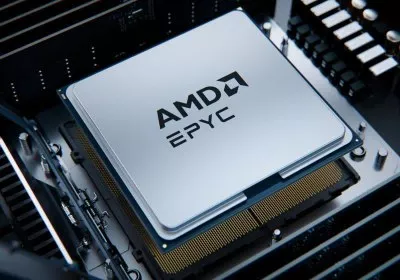
Highly anticipated: AMD has fully pulled back the curtain on its first Zen 6 CPU lineup. Debuting with Epyc server chips, the new architecture offers up to 256 cores and 512 threads at the top end, and AMD has promised substantial upgrades in AI, GPU hosting, and per-watt performance.
It's getting harder to remember when AMD and Nvidia were primarily graphics card companies
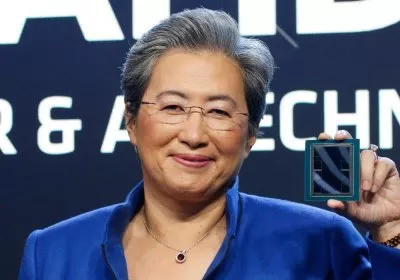
A hot potato: Rest in peace, dedicated consumer GPU makers. With Nvidia having long been an AI firm with a passing interest in making prohibitively expensive consumer graphics cards, AMD's boss has confirmed that Team Red now considers itself a "data center-first" company. With the data center segment making up about 63% of AMD's record third-quarter 2026 revenue, it's easy to see why CEOs are moving away from PC gaming to follow the money.
RAM maker's profits are up 50%, but its CEO says the 'worst' is yet to come
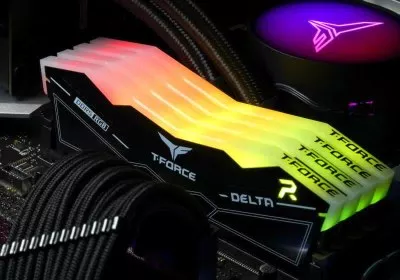
Facepalm: Major memory manufacturers have repeatedly warned shareholders that the memory industry faces many more years of chaos and high prices. Now even smaller players such as TeamGroup are sounding the same alarm, saying conditions will soon turn brutal for both pricing and availability.
Ripple effect: PC makers have spent most of this year chasing memory and graphics chips as AI data centers bought up whatever they could. Now the circuit boards those chips sit on are reportedly running short, too. The same factories are busy with far pricier boards for AI servers, so PC orders are getting pushed to the back of the line.
Previous attempts to win over residents with cash and discounts haven't always been successful
A hot potato: President Trump has said that data center companies should "make deals" with local communities to ensure the facilities aren't loathed by the people who live near them. He added that paying a "dividend" would help make the sites popular, though similar incentives haven't always worked in the past.