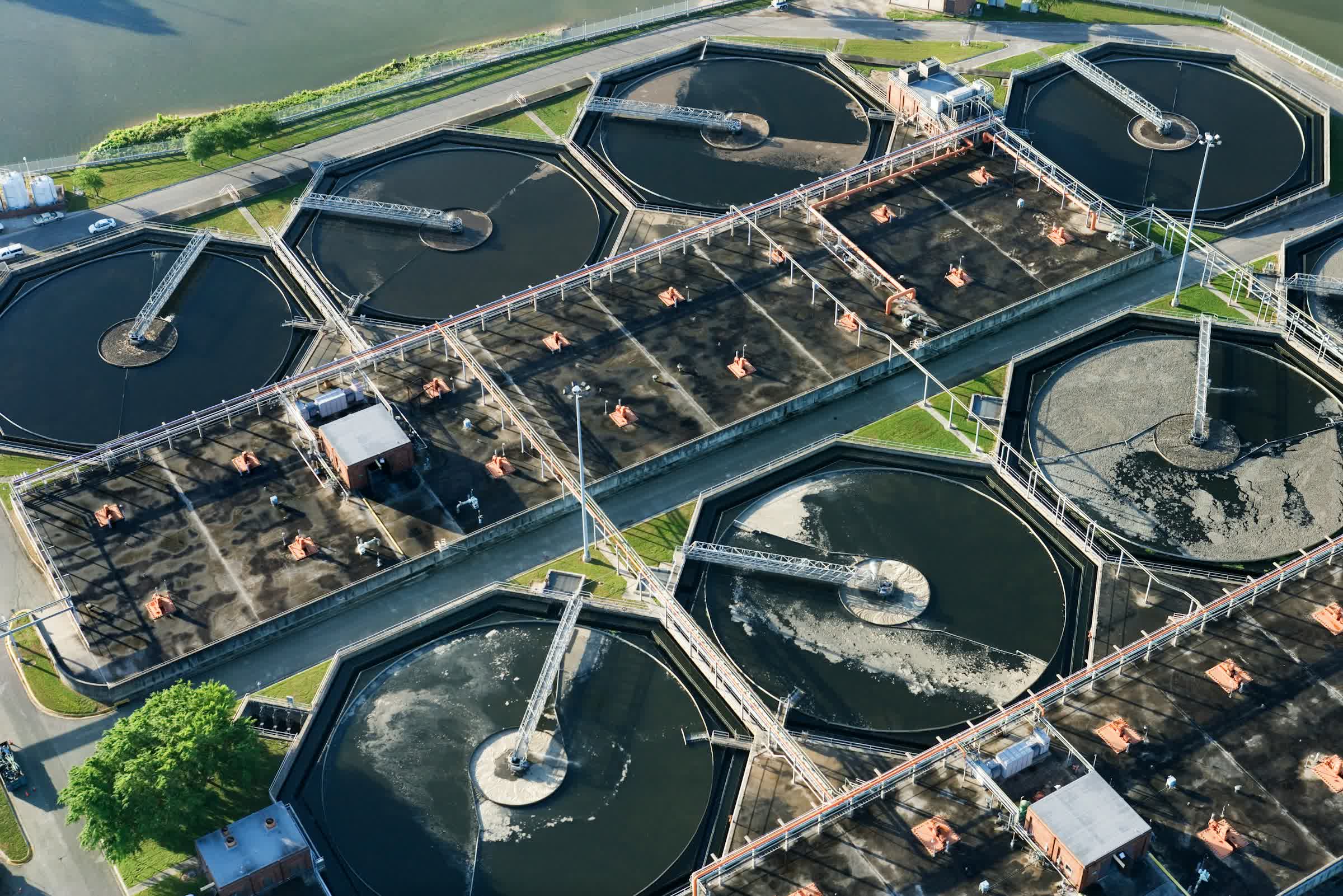
Connecting the dots: Meta's massive data center in Cheyenne, Wyoming, isn't even finished, but it's already become another illustration of why more people would rather live next to a nuclear power plant than one of these facilities. City officials say wastewater from the site introduced a rare bacterium into Cheyenne's reclaimed water system, forcing a cleanup and a wider pause on data center discharges.
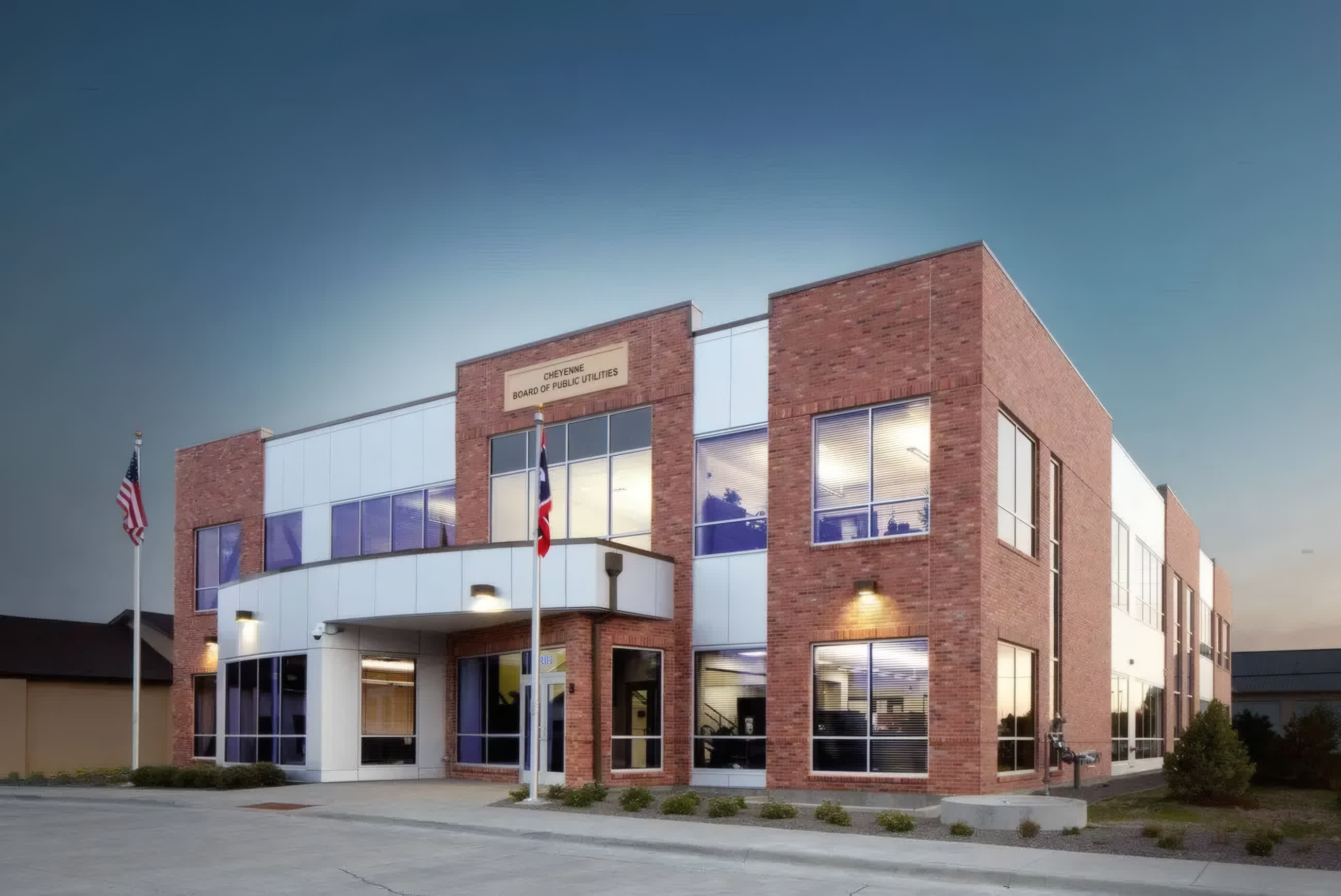
Cheyenne's Board of Public Utilities (BOPU) traced Cupriavidus gilardii to wastewater discharged by Goat Systems, a contractor working on Meta's $800 million, 715,000-square-foot data center south of the city. The facility, announced in 2024, is being built for Meta's AI workloads and is expected to come online in 2027.
The good news is that the bacterium did not enter the city's drinking water. The affected system is Cheyenne's reuse water network, which treats water for irrigation at places such as parks and golf courses.
That's still not exactly reassuring when the substance in question is a rare, metal-resistant bacterium that officials say can pose a risk to elderly and immunocompromised people through direct exposure.
According to the BOPU, the bacterium was first detected during routine wastewater sampling in late February. Further testing by the Wyoming Public Health Laboratory identified it as Cupriavidus gilardii, a naturally occurring organism found in soil and groundwater. The board later traced the source to an industrial user and permanently terminated that user's discharge privileges.
The discharge came from a fill-and-flush operation at the Meta campus. The process involves running water through data center cooling pipes before the system is sealed and put into operation. Closed-loop cooling is often presented as a water-saving improvement over evaporative cooling, but the Cheyenne case shows that these systems can still create wastewater during commissioning.
Goat Systems stopped discharging the wastewater after being notified, while Meta said its general contractor, Fortis, began hauling industrial wastewater offsite and that independent testing found no trace of the substance.
Cheyenne has not only revoked Goat Systems' discharge privileges; it has also suspended discharges of data center fill-and-flush and closed-loop cooling wastewater from every data center connected to city services.
Cheyenne's reuse water system was taken offline, and BOPU staff spent two months draining and disinfecting the network and Prairie View Pond. Affected irrigation systems were temporarily switched to potable water supplies to prevent the bacterium from spreading through the reuse network.
The incident couldn't have come at a worse time for the industry. A report last year linked Amazon data centers in Oregon to contaminated groundwater, where nitrate levels were tied to reports of rare cancers and miscarriages among residents.
It seems like there's an endless stream of reports about the growing outrage directed at data centers. Americans have opposed nearby AI facilities at higher rates than nuclear plants, Wisconsin residents voted to restrict future projects, Missouri voters ousted officials after a $6 billion data center approval, and SpaceX is offering discounted Starlink to Memphis residents while facing pollution complaints around xAI's Colossus site. The anger has grown so intense that some have even claimed the Chinese government is helping to incite it.