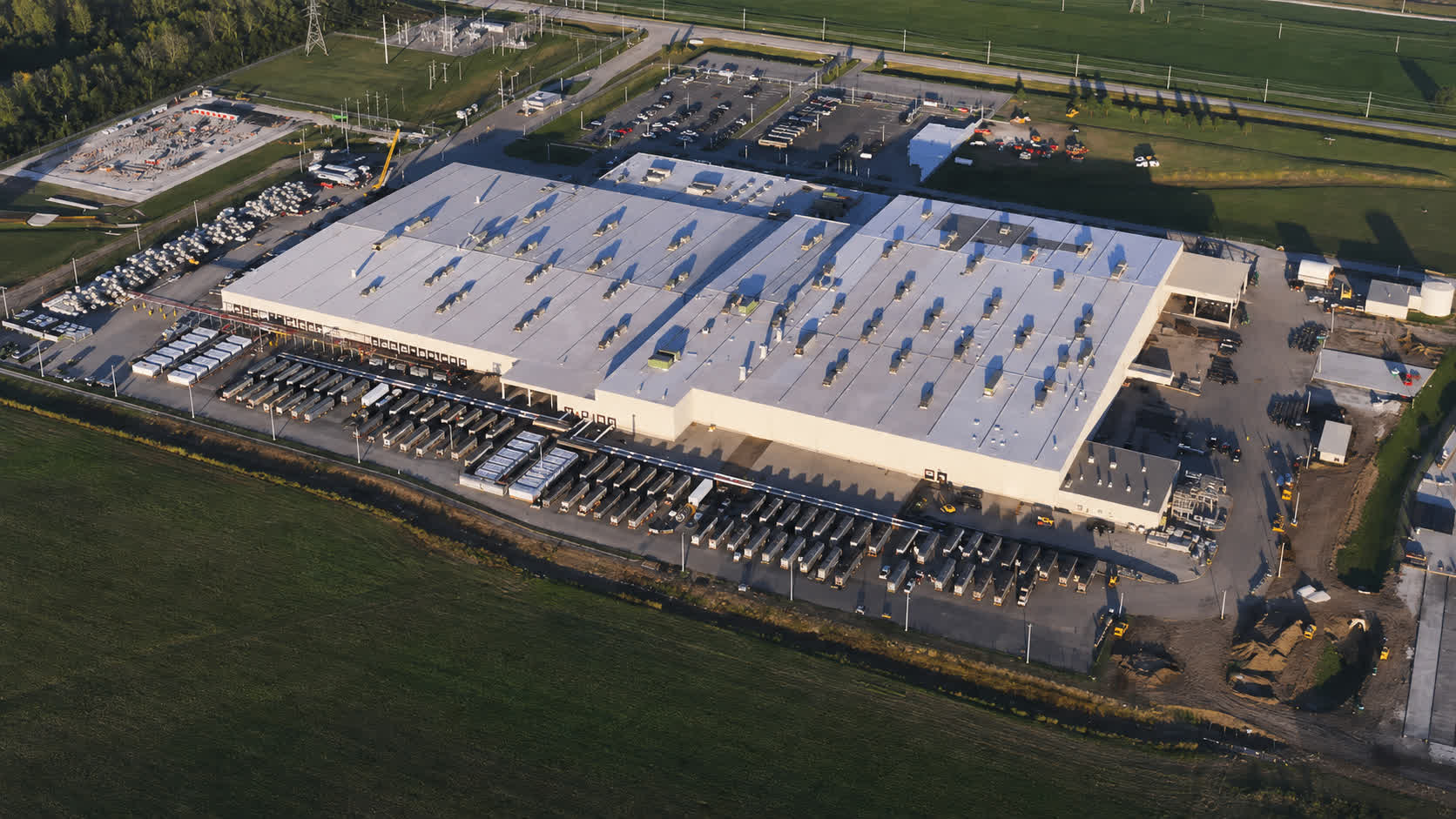
Facepalm: How can data center owners placate angry residents living near their facilities? In SpaceX's case, the trick is to offer a 50% discount on its Starlink satellite internet service. Elon Musk's company framed its generosity as neighbourly support, and definitely not as anything to do with the pushback it's been receiving over the Colossus data center in Memphis, Tennessee.
"Starlink is applying a service discount for our neighbors in the Memphis area," the company wrote in its announcement. It added that earlier this year, SpaceX acquired xAI (now SpaceXAI), which operates the Colossus data centers in Memphis and Southaven, Mississippi.
Customers who sign up will pay between $27.50 and $65 per month for Starlink service, half the standard $55 to $130 monthly rates. New users won't have to pay upfront hardware costs, and the discount can be shared with friends.
SpaceX's vice president of Starlink engineering, Michael Nicolls, wrote on X that "The unique capabilities of the Colossus datacenters could not be accomplished without the partnership and support from the local Memphis community."
"Happy to bring affordable and great @SpaceX @Starlink connectivity to our neighbors," he added. Musk also promoted the deal on his social network.
– xAI Memphis (@xAIMemphis) June 30, 2026
The discount applies to eligible service addresses in parts of the Memphis area, with Starlink's map showing coverage around Memphis, Southaven, and Collierville. Existing customers don't need to do anything for the discount to be applied, while new subscribers can enter their address on Starlink's site to check eligibility. SpaceX has not said when the promotion will end.
The timing of the offer is about as subtle as a SpaceX rocket launch. Colossus has become a major flashpoint in South Memphis over its use of gas turbines to power the huge AI facility.
Environmental groups and residents have complained about emissions and the speed at which the site was built, arguing that the local community has been left with the pollution bill.
The NAACP sued xAI in April over Colossus 2, accusing the company of illegally operating turbines in violation of the Clean Air Act. The Southern Environmental Law Center has said the project used dozens of methane-fueled units without proper public oversight, permits, or air pollution controls. It's been reported that the gas generation at the site was enough to power roughly 280,000 homes.
In January, the EPA closed a loophole that xAI had relied on by treating off-grid turbines like temporary "non-road engines." Federal regulators clarified that such turbines must meet the same Clean Air Act requirements as stationary power plants.
As anti-data-center sentiment rises, we're seeing more stories about this opposition being instigated by China – a phenomenon that Shark Tank investor Kevin "Mr. Wonderful" O'Leary and OpenAI have both recently pointed to.