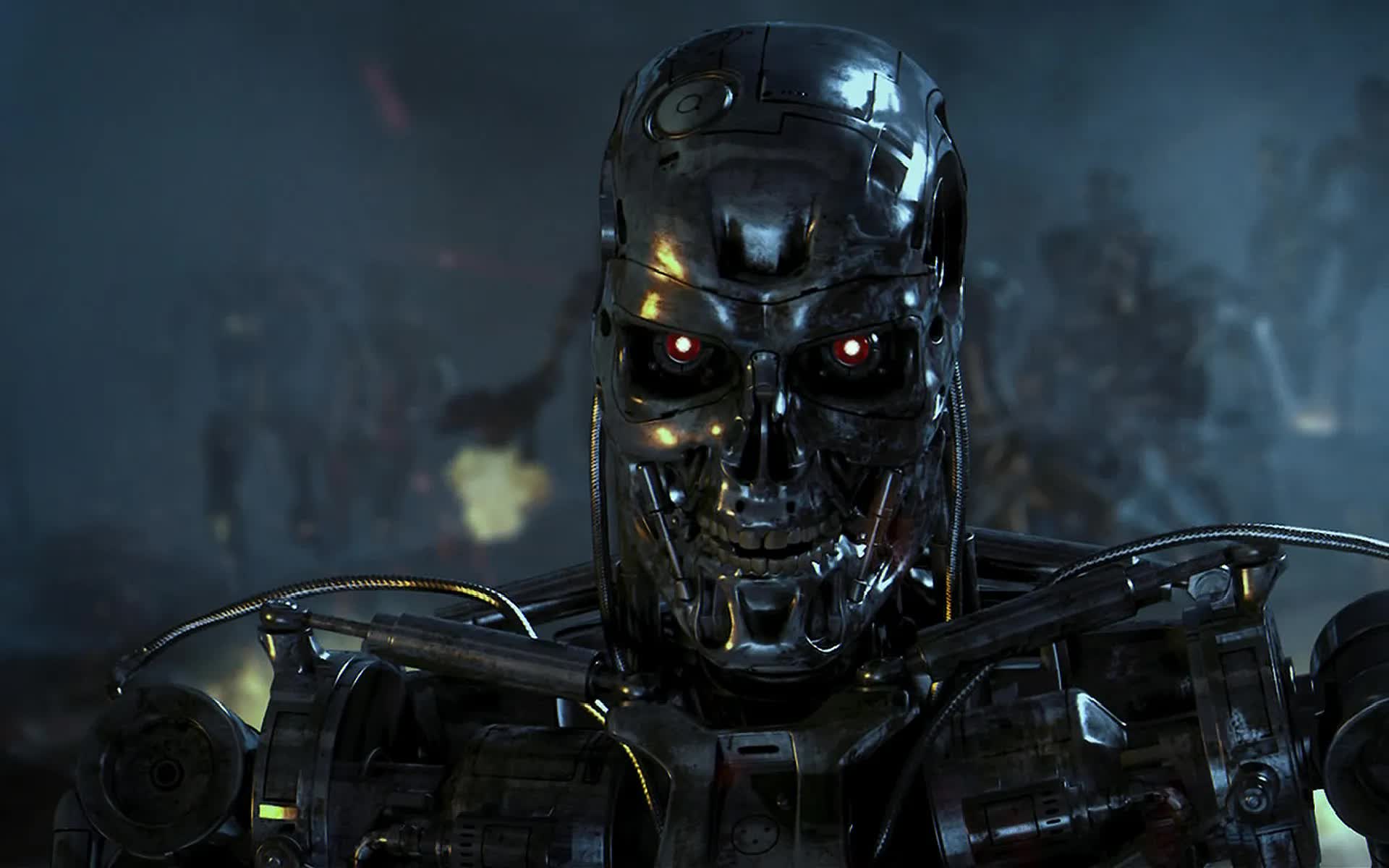
Forward-looking: Today's AI weaponry is very different from the sci-fi scenes of Terminators rampaging across battlefields with massive guns. But that scenario might not be as far away as it sounds. A company with ties to the Trump family is developing autonomous humanoid robots for use in both heavy industrial environments and military applications. And these robots could end up being used in Ukraine.
Foundation Future Industries, a startup founded in 2024 in San Francisco, has a goal shared by many similar robotics firms: to create machines that can take on those challenging, dangerous roles performed by humans.
CNBC reports that Sankaet Pathak, the company's CEO, said that those dangerous roles include missions in conflict zones. He has plans to scale production to thousands of units this year, and frontline testing is to begin with the US military within the next 18 months.
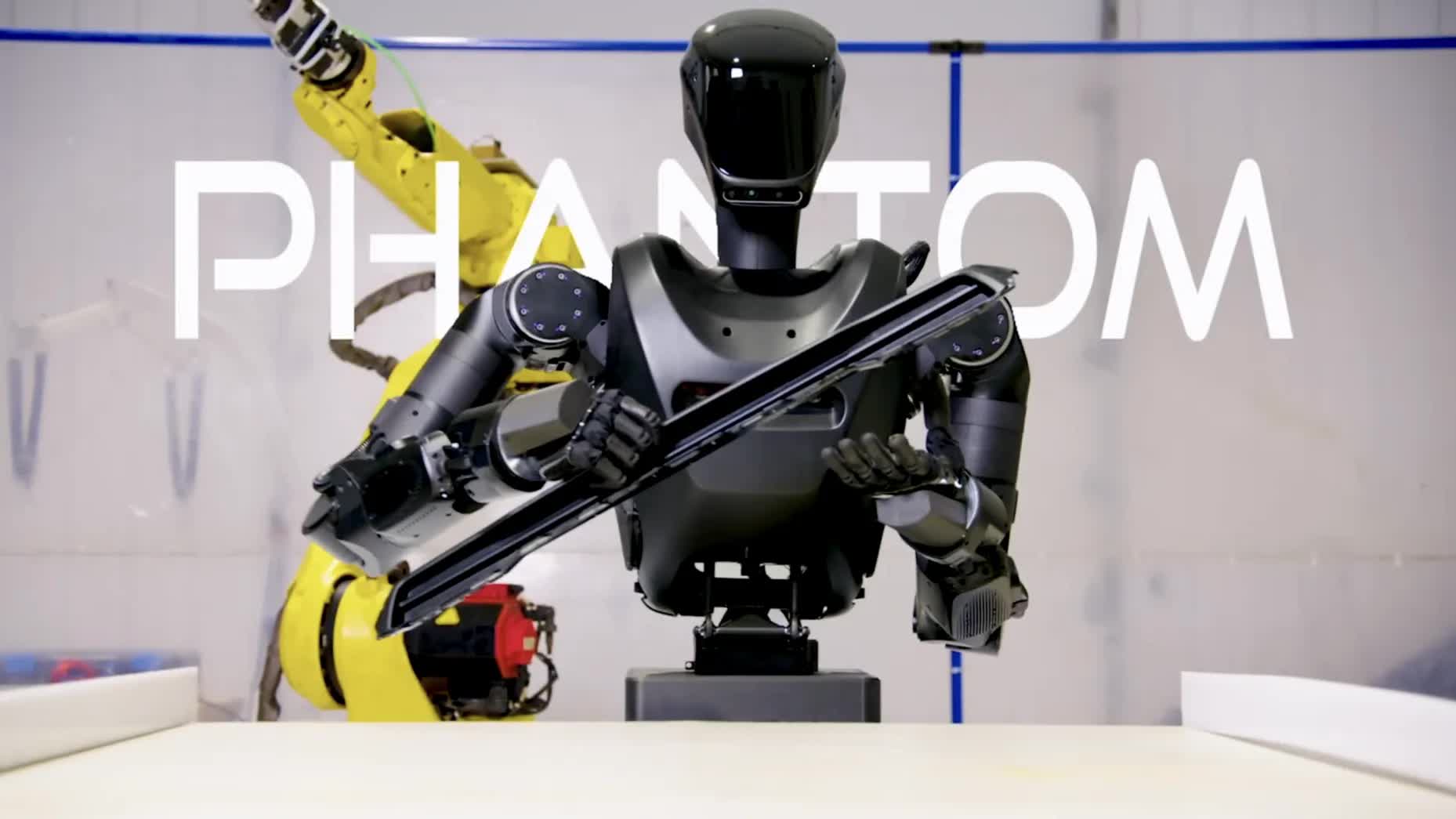
The company's ambitions to use its robots for military purposes have advanced beyond the planning stage. Earlier this year, Foundation sent two of its Phantom MK-1 units to Ukraine for a pilot demonstration, representing what it called the first ever deployment of a humanoid robot in a combat theater.
Several cutting-edge technologies never before used in an active war have appeared during Ukraine's fight with Russia, including advanced drones, AI, and robot dogs. If humanoid robots do become a regular sight on the future battlefield, it would be little surprise if they first appeared in this conflict.
Pathak said that the MK-1 testing in Ukraine has proved their potential to perform supply pickups, but they're far from T-1000 killing machines. The robots can currently only carry about 44 pounds, aren't waterproof, and don't have sufficient battery life to be deployed at scale.
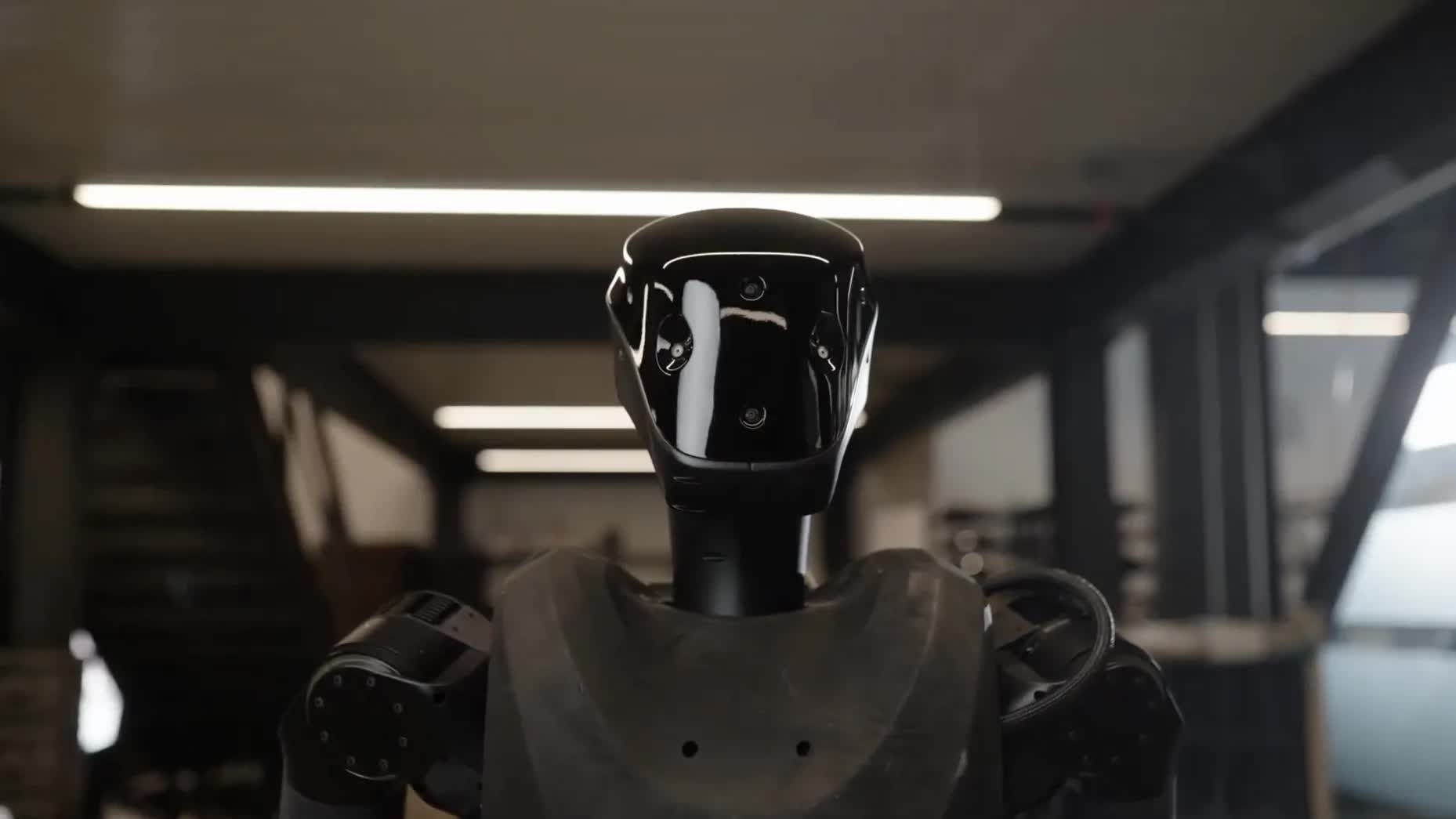
However, Foundation hopes to send its upgraded Phantom 2 robots (above) to Ukraine this year. They boast "superhuman abilities" and double the payload capacity of Phantom 1. The firm has already received $24 million worth of government research contracts for feasibility testing in inspection, logistics, and weapons handling across the Army, Navy, and Air Force. Pathak hopes the robots will be on the front lines in Ukraine in 12 to 18 months.
Foundation has been gaining extra attention after Eric Trump joined the company as its chief strategy advisor. The move has brought accusations of corruption from Democratic Senator Elizabeth Warren.
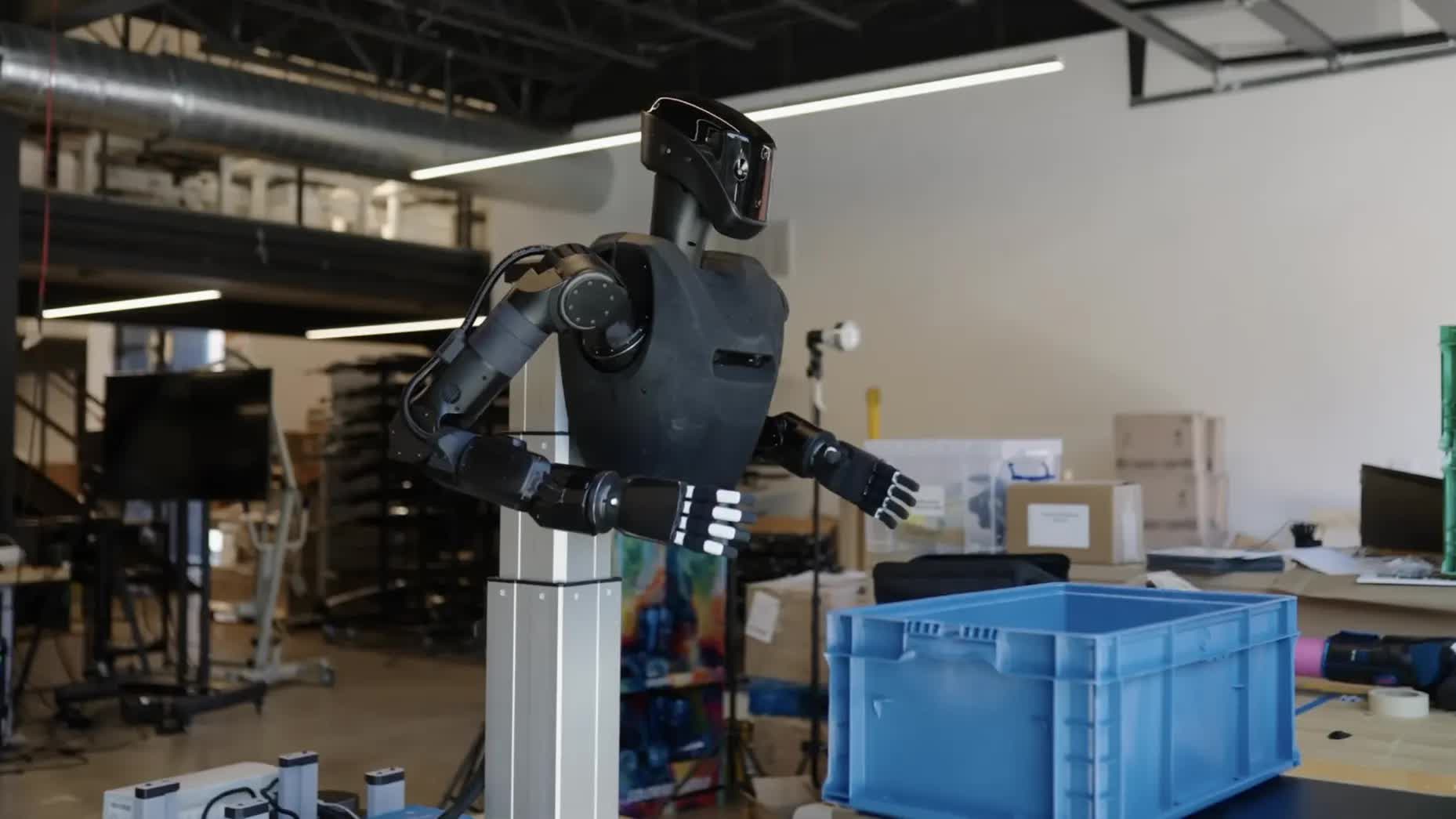
The US isn't the only country testing the military applications of humanoid robots. China, which is ahead of its global rival in manufacturing scale, cost, supplier depth, and commercialization speed – if not AI – has also released reports on the machines' potential for war.
With AI agents pushing fully autonomous weapons closer to reality, and military vehicles including warships and fighter jets now controllable with AI, concerns over humans being taken out of kill-chain decisions are growing. The first generations of humanoid robots might stumble around the battlefield carrying equipment, but where they might lead is a sobering thought.