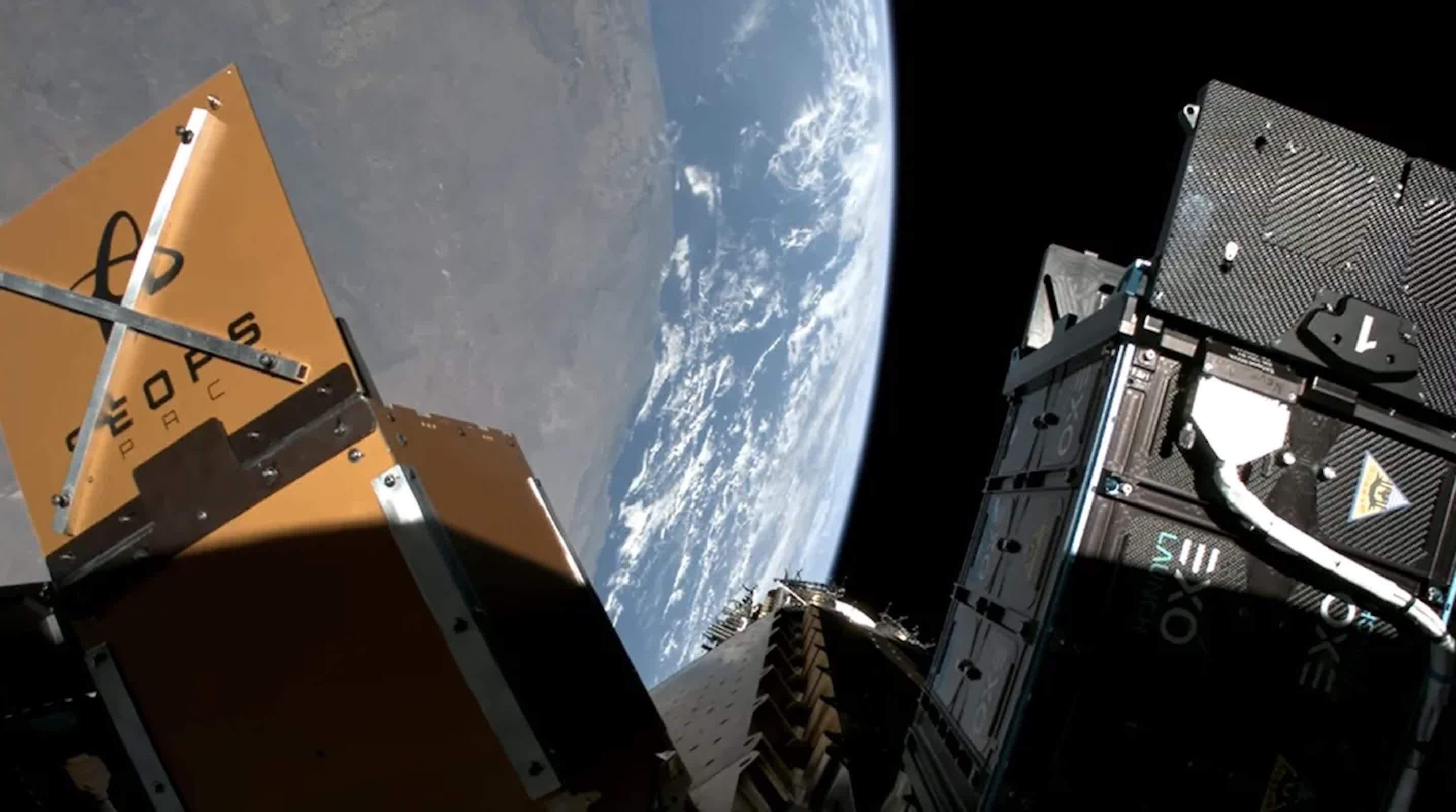
What just happened? A small satellite launched this week is testing a space-based nuclear power system that does not rely entirely on sunlight. The satellite, called BOHR, was developed by Florida-based City Labs and entered orbit on July 7 aboard SpaceX's Transporter-17 rideshare mission from Vandenberg Space Force Base in California. The Falcon 9 rocket carried 81 payloads in total, deploying them roughly 50 minutes after liftoff.
BOHR's primary mission is to test a different kind of power source in orbit. The CubeSat is carrying City Labs' "NanoTritium" system, a betavoltaic power source that converts beta particles from tritium decay directly into electricity using a semiconductor. Unlike traditional nuclear power systems, which first convert radioactive heat into electricity, this design generates power directly from the decay particles.
"This is a historic step for commercial nuclear power in space," said City Labs CEO Peter Cabauy.
The mission is still in its early stages. BOHR relies on solar panels for its primary operations, while the NanoTritium device is being evaluated separately to measure its performance in orbit. The goal is to determine whether the technology can provide a steady, long-lasting power source for future spacecraft.
If it performs as intended, the system could help overcome one of the biggest constraints facing many space missions. Solar power is unreliable in environments with little or no sunlight, such as deep space or permanently shadowed regions of the Moon. Those areas, particularly near the lunar south pole, have become a major focus of NASA's Artemis program because of their potential water-ice deposits.
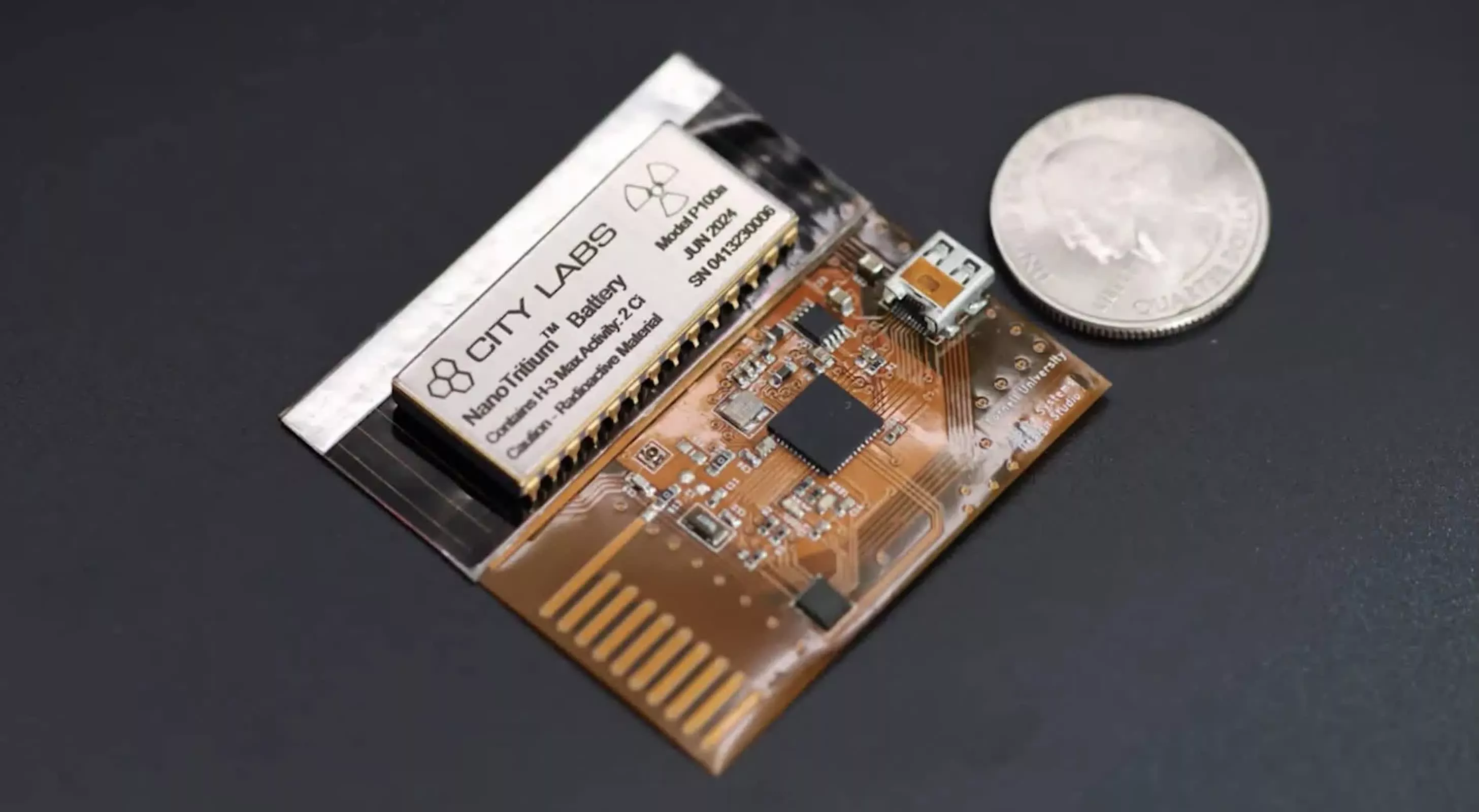
City Labs sees its technology as a potential fit for those environments. While the current system generates only small amounts of electricity, the company believes it could eventually be scaled up.
One advantage is that tritium emits relatively low levels of radiation compared with many other nuclear materials, making it easier to handle and integrate into spacecraft. "City Labs' tritium-based power systems… are engineered for safe handling, transportation, and integration within standard commercial launch environments," the company stated.
The project also reflects changes in how nuclear-powered missions are approved. BOHR is the first mission authorized under the FAA's nuclear launch review process established by a 2019 White House directive.
Funding for the satellite came through a Department of Defense contract, pointing to potential applications beyond space exploration, including defense systems that require long-lasting, low-maintenance power sources.
For now, BOHR is a test case. But if the technology proves reliable, it could open the door to spacecraft capable of operating for longer periods and in environments where solar power is impractical.