Cheyenne suspends datacenter wastewater after rare bacterium traced to Meta's AI site

midian182

Posts: 11,718   +177
Staff member
Connecting the dots: Meta's massive data center in Cheyenne, Wyoming, isn't even finished, but it's already become another illustration of why more people would rather live next to a nuclear power plant than one of these facilities. City officials say wastewater from the site introduced a rare bacterium into Cheyenne's reclaimed water system, forcing a cleanup and a wider pause on data center discharges.
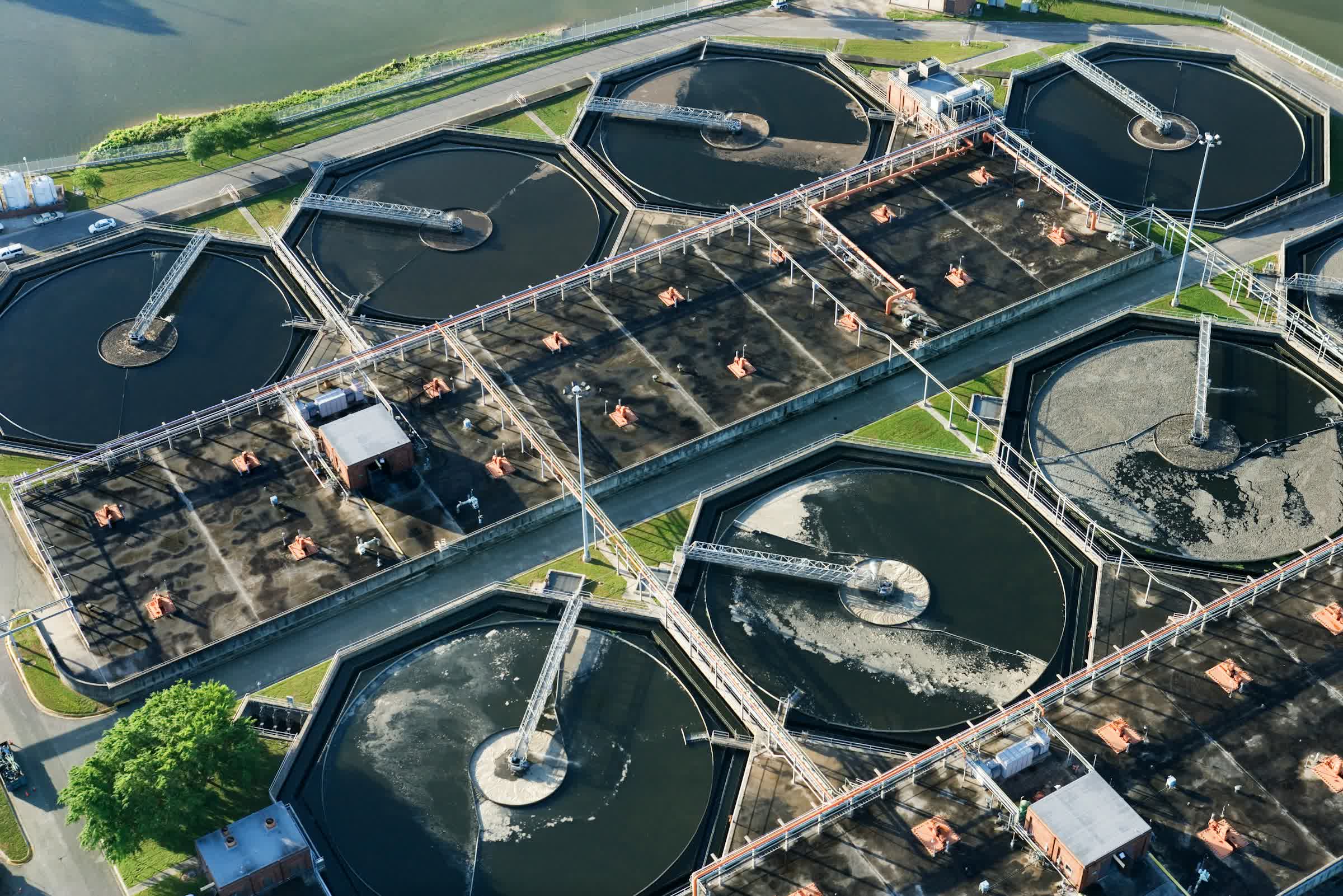
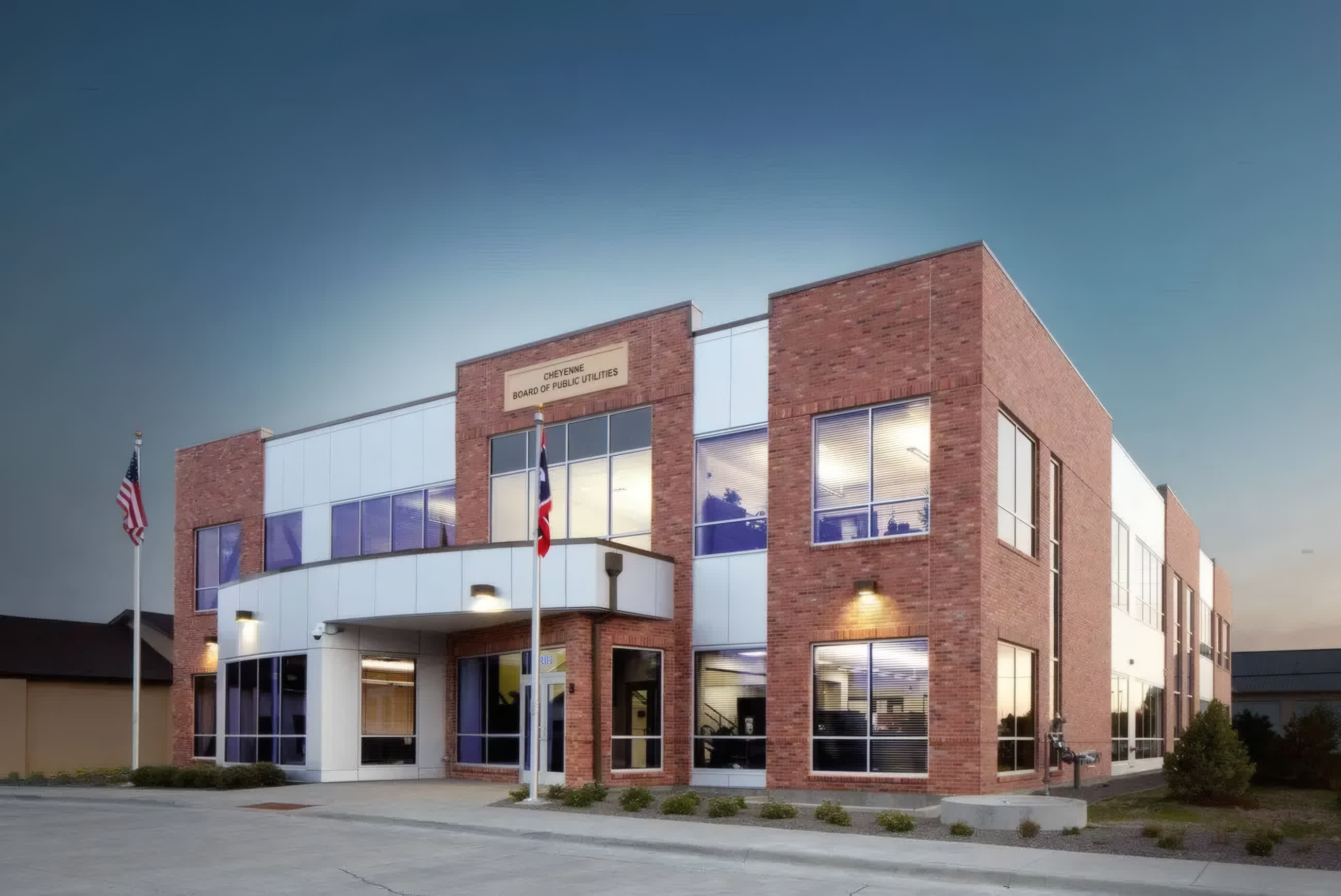
Cheyenne's Board of Public Utilities (BOPU) traced Cupriavidus gilardii to wastewater discharged by Goat Systems, a contractor working on Meta's $800 million, 715,000-square-foot data center south of the city. The facility, announced in 2024, is being built for Meta's AI workloads and is expected to come online in 2027.

The good news is that the bacterium did not enter the city's drinking water. The affected system is Cheyenne's reuse water network, which treats water for irrigation at places such as parks and golf courses.

That's still not exactly reassuring when the substance in question is a rare, metal-resistant bacterium that officials say can pose a risk to elderly and immunocompromised people through direct exposure.

According to the BOPU, the bacterium was first detected during routine wastewater sampling in late February. Further testing by the Wyoming Public Health Laboratory identified it as Cupriavidus gilardii, a naturally occurring organism found in soil and groundwater. The board later traced the source to an industrial user and permanently terminated that user's discharge privileges.
The discharge came from a fill-and-flush operation at the Meta campus. The process involves running water through data center cooling pipes before the system is sealed and put into operation. Closed-loop cooling is often presented as a water-saving improvement over evaporative cooling, but the Cheyenne case shows that these systems can still create wastewater during commissioning.

Goat Systems stopped discharging the wastewater after being notified, while Meta said its general contractor, Fortis, began hauling industrial wastewater offsite and that independent testing found no trace of the substance.

Cheyenne has not only revoked Goat Systems' discharge privileges; it has also suspended discharges of data center fill-and-flush and closed-loop cooling wastewater from every data center connected to city services.

Cheyenne's reuse water system was taken offline, and BOPU staff spent two months draining and disinfecting the network and Prairie View Pond. Affected irrigation systems were temporarily switched to potable water supplies to prevent the bacterium from spreading through the reuse network.

The incident couldn't have come at a worse time for the industry. A report last year linked Amazon data centers in Oregon to contaminated groundwater, where nitrate levels were tied to reports of rare cancers and miscarriages among residents.

It seems like there's an endless stream of reports about the growing outrage directed at data centers. Americans have opposed nearby AI facilities at higher rates than nuclear plants, Wisconsin residents voted to restrict future projects, Missouri voters ousted officials after a $6 billion data center approval, and SpaceX is offering discounted Starlink to Memphis residents while facing pollution complaints around xAI's Colossus site. The anger has grown so intense that some have even claimed the Chinese government is helping to incite it.

Permalink to story:

 
I think alot of the public perception is justified, I live in Oklahoma, there was a town I think called Yukon? I will provide a link, where the mayor and the vice-mayor (who resigned) due to backhand deals with these datacenters, and I would also like to believe that the fear from what datacenters can do to small towns, increase in electricity prices and water being potentially contaminated.

https://www.msn.com/en-us/autos/new...enter-firestorm/ar-AA270NNX?ocid=BingNewsSerp
 
When it says it’s rare, it’s primarily because it’s easy for immune systems to handle and infection almost never occurs in humans. It’s not because it’s not prevalent. It easily grows where there is copper + water. From what I read, you can count the total number of deaths from this bacteria on one hand. The first death in humans was an immunocompromised kid in 2010.
 
It seems like there's an endless stream of reports about the growing outrage directed at data centers.
Many of them funded by the CCP, in the hopes it will allow them to gain the lead here.

Seriously, the connection here between this data center and a "rare metal-resistant bacterium" (sounds scary, eh?) is tenuous indeed. Any time a construction project moves earth, it can and does introduce bacterial contamination into groundwater ... and the water in question here isn't drinking water, but being used only for irrigation.
 
When it says it’s rare, it’s primarily because it’s easy for immune systems to handle and infection almost never occurs in humans. It’s not because it’s not prevalent. It easily grows where there is copper + water. From what I read, you can count the total number of deaths from this bacteria on one hand. The first death in humans was an immunocompromised kid in 2010.
It's also naturally resistive to a lot of anti-biotics, it's rare because it's not as infectious, however like you said those with compromised immune systems, those with invasive medical devices (catheters, pacemakers, etc.), those who have extended hospital visit stays, or a severe underlying illness.
 
Many of them funded by the CCP, in the hopes it will allow them to gain the lead here.

Seriously, the connection here between this data center and a "rare metal-resistant bacterium" (sounds scary, eh?) is tenuous indeed. Any time a construction project moves earth, it can and does introduce bacterial contamination into groundwater ... and the water in question here isn't drinking water, but being used only for irrigation.
The CCP propaganda has, itself, become propaganda to handwaved any disagreement with data centers or AI as being foreign operators, blissfully ignoring the general populace in these areas. For a megacorporation it's a dream outcome.
 
The CCP propaganda has, itself, become propaganda to handwaved any disagreement with data centers or AI as being foreign operator
No handwaving here: I've repeatedly and resoundingly addressed all the so-called "concerns" against datacenters, few of which have any substance whatsoever. Nor does that change the fact that China is funding anti-AI and anti-datacenter groups and propaganda in the US, while they themselves build them as fast as they can.
 
No handwaving here: I've repeatedly and resoundingly addressed all the so-called "concerns" against datacenters, few of which have any substance whatsoever. Nor does that change the fact that China is funding anti-AI and anti-datacenter groups and propaganda in the US, while they themselves build them as fast as they can.

Are you implying that there are absolutely NO drawbacks to these monster data centers? When this first started, they were going to supply their own power, the even signed a pledge to do so and pay for all costs associated with it. First, it was not signed by everyone, also, a "pledge:" turns out to be non binding.

It's not the propaganda, it's not media attention, the problem is that the companies themselves are to blame for all of this. There promises of local jobs evaporated when the construction finished. The idea that you wouldn't know they were there didn't hold water either. Does anyone think that the power generation and power distribution companies are passing on 100% of the cost of build out and ongoing power to these centers?

it's like EV's. Great idea, but where is the charging they promised? Simple, the cost to the grid updates, build out, and operating costs put the brakes on it. This is because ALL of the costs were billed to whoever built and operated the chargers. How many tax breaks were given? How much of the sub stations, transmission lines, and additional generation capacity are DIRECTLY paid by the data center companies?

As with most things that go sideways it the U.S. Lack of clarity, honesty and transparency are what has created this public opinion. Once you loose the public's trust, it's hell to get it back, and even an honest broker suffers the consequences.
 
No handwaving here: I've repeatedly and resoundingly addressed all the so-called "concerns" against datacenters

In your own head maybe . You could be correct but I think the jury is still out .

I think you are terrible at convincing people and winning them over . Not because you talk nonsense but you are rude and often obnoxious. I don't mind that myself but it's a crap way to go about convincing anyone .

If you aren't interested in convincing or winning people over then fair enough .

I agree with you on what you said about this article .
 
I think you are terrible at convincing people and winning them over . Not because you talk nonsense but you are rude and often obnoxious. I don't mind that myself but it's a crap way to go about convincing anyone .
Anyone who's convinced not by facts and figures but by an unctuous, congenial manner is as likely to switch the opposite side the moment I move on. I eschew such tactics as their gains are illusory.
 
When this first started, they were going to supply their own power, the even signed a pledge to do so
Get your facts straight. What Meta signed was this pledge which so far they've adhered to.

There [sic] promises of local jobs evaporated when the construction finished.
Again, you're fabricating propaganda. Meta didn't promise more jobs than were delivered, and a large datacenter can employ several hundred people directly, and many more indirectly.

But the true gains to the community come not in jobs, but in the TAXES these centers pay. Google's Pryor County datacenter, for example, raised the community's tax base from $80M to over $1 billion, dramatically revitalizing local schools, parks, and infrastructure:

 
Last edited:
I was wondering why there was all those conspiracies about DRAM manufactures. Now I think I understand. It's an attempt at misdirection away from the spend on data-centres.
 
Get your facts straight. What Meta signed was this pledge which so far they've adhered to.


Again, you're fabricating propaganda. Meta didn't promise more jobs than were delivered, and a large datacenter can employ several hundred people directly, and many more indirectly.

But the true gains to the community come not in jobs, but in the TAXES these centers pay. Google's Pryor County datacenter, for example, raised the community's tax base from $80M to over $1 billion, dramatically revitalizing local schools, parks, and infrastructure:


When did I say META specifically. Just because the article references them, doesn't mean that that everything I discussed refers to META specifically. However, you're missing the point. In fact, your comment illustrates the problem. From your comment, I can discern that since you believe that META does NO wrong with the build out of these sites, that means that NONE of these data centers are problematic. Basic logic dictates that this is false.

And, by judging from some recent court cases, META is not above obfuscating or misleading about their company's operations.

GM built ONE diesel engine in the mid 70's. It took 20 years before the U.S. started using them again in trucks and cars in any numbers. Were all diesel engines bad? NO. But it took that long to recover because ONE company did not do there homework and rushed one onto the market.
 
Last edited:
When did I say META specifically. Just because the article references them, doesn't mean that that everything I discussed refers to META specifically.
Learn how language works. In an article about Meta, when you use a pronoun such as "they" without antecedent, then you're referring to Meta. But if not Meta, then who? Be specific -- which datacenter specifically agreed to power itself fully, then reneged on that agreement?

Now, some facts to sweep away your propaganda. For reasons I've outlined in numerous past posts, while datacenters may raise electric rates in the short term, in the medium and long term, they act to lower rates.

And even the short-term rates aren't nearly as large as claimed. When a furor erupted over VA's Dominion Energy (which serves more datacenters than any other US utility) raising rates by 24%, I examine my own utility (which serves exactly zero centers) and found it had raised rates by 19% over the same period. And both utilities listed higher natural gas prices and massive investments in "green" solar and wind farms as the primary cause for higher rates.

From your comment, I can discern that since you believe that META does NO wrong with the build out of these sites, that means that NONE of these data centers are problematic.
Can you name the logical fallacy you just used? I'll leave this one as a lesson for the student.
 
I was wondering why there was all those conspiracies about DRAM manufactures. Now I think I understand. It's an attempt at misdirection away from the spend on data-centres.

I think all the DRAM conspiracies stem from DRAM manufacturers being convicted and sent to prison in an evidence based court of law on actual charges of conspiracy not too long ago. I think it's the fact that they have been proven to conspire which leads people to believe that they're doing the thing they were sent to jail for again.
 
I think all the DRAM conspiracies stem from DRAM manufacturers being convicted and sent to prison in an evidence based court of law on actual charges of conspiracy not too long ago. I think it's the fact that they have been proven to conspire which leads people to believe that they're doing the thing they were sent to jail for again.
Tall story. And good example of the garbage talk.
 
I missed the link from cause to effect. Is the implication that the lost privileges are from having done something improper (like was it their job to filter and they didn't)? Or some newly discovered risk that running AI models somehow causes a rare bacteria to appear?

In any event I'm glad the problem was discovered and acted on. But if I lived there I'd be wondering how the scope of this danger was somehow limited only to "AI Datacenters".
 
I missed the link from cause to effect. Is the implication that the lost privileges are from having done something improper (like was it their job to filter and they didn't)? Or some newly discovered risk that running AI models somehow causes a rare bacteria to appear?

In any event I'm glad the problem was discovered and acted on. But if I lived there I'd be wondering how the scope of this danger was somehow limited only to "AI Datacenters".
The problem is the amount of copper involved, that particular bacteria is attracted to copper and other heavy metals, meaning that whatever the datacenter is doing, they are not operating in a "closed loop" there is by product coming from the datacenters and into the water, where ground water can reach, and then it is being picked up and used in irrigation. This is a bad deal. Lets not even get into the electricity problem.
 
The problem is the amount of copper involved, that particular bacteria is attracted to copper and other heavy metals, meaning that whatever the datacenter is doing, they are not operating in a "closed loop" there is by product coming from the datacenters and into the water, where ground water can reach, and then it is being picked up and used in irrigation. This is a bad deal. Lets not even get into the electricity problem.
A truly amazing amount of misinformation. The bacteria in question is commonplace in soil and water. Here's how it was described before it was attempted to be used to denigrate datacenters:

"Cupriavidus metallidurans is considered harmless to healthy humans and is not a common pathogen. Famous for its ability to ingest toxic heavy metals and produce harmless gold nanoparticles as waste, it poses no threat in everyday environments.... Because it can absorb high concentrations of metals, scientists are studying it for use in bioremediation—using bacteria to clean up toxic soil and wastewater...."

It is not "attracted to" copper and heavy metals; it's simply able to survive high levels of them. Nor is this datacenter even in operation: the wastewater came from a contractor performing construction work, and the water was discharged into the county's public sewer system.
 
Last edited:
You don't think the CCP have spent TONS of money building a huge amount of solar, wind, hydro power just to power the people of China do you?
Nope! They are also spending money funding anti data center campaigns across the United States.
They want all of the companies to build data centers IN CHINA which will give them all access to the
data. Oh! But the companies own those data centers, not China.
NO ONE does business in China without handing over the keys to whatever it that is manufactured or
built in China.
 
Back