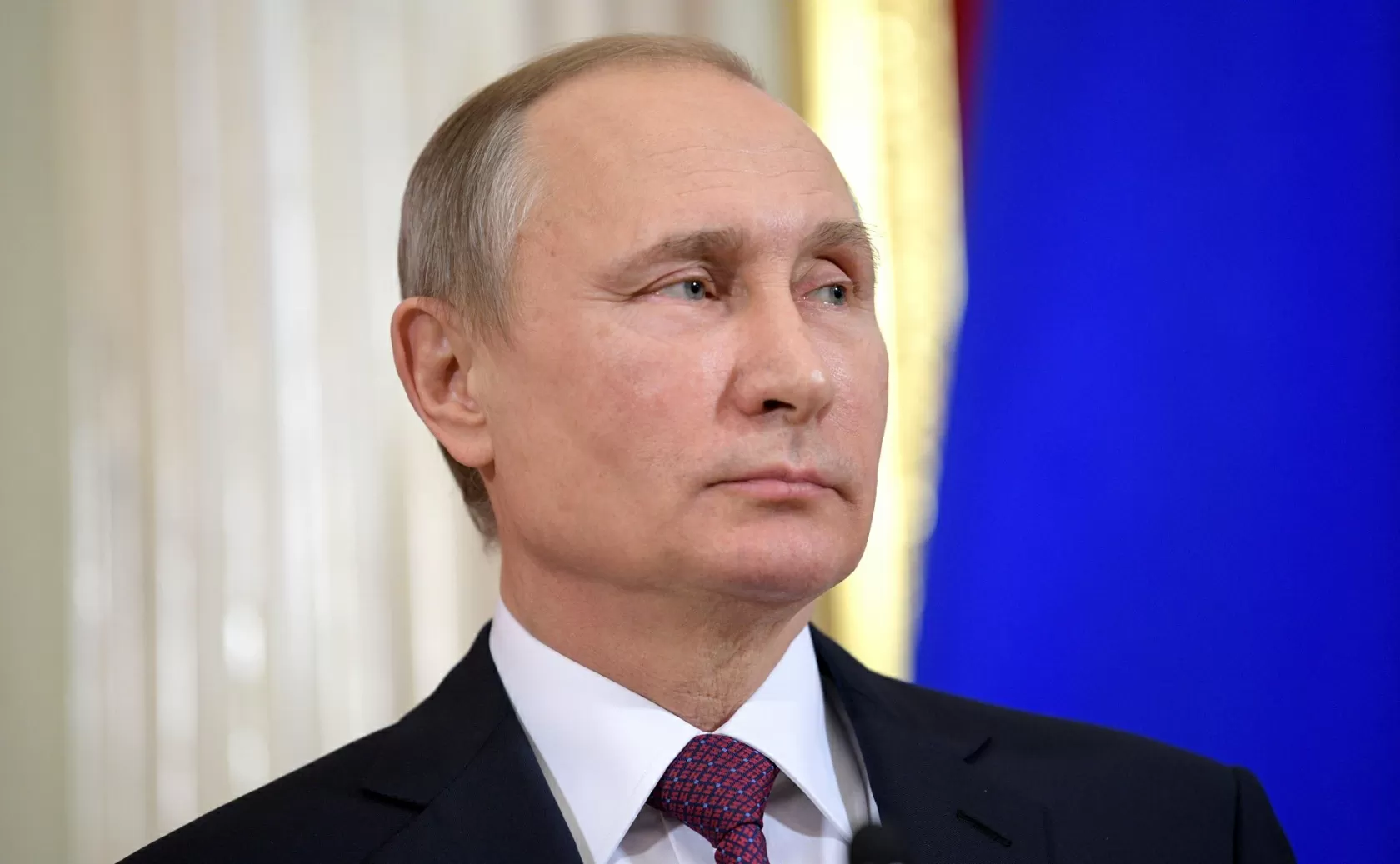
What just happened? Russia has charged Telegram founder and CEO Pavel Durov with "aiding terrorism" and placed him on an international wanted list. The Federal Security Service (FSB) claims the platform failed to remove channels, chats, and bots used by Ukrainian intelligence to organize attacks inside Russia. Telegram's response was less than diplomatic: its official X account posted a photo of Durov giving the middle finger.
The charges follow a terrorism-related investigation that became public in February. The FSB alleges that Telegram was used to coordinate sabotage, terrorist attacks, mass killings, and cyberfraud, resulting in deaths and extensive property damage.
A large part of the case centers on Daivinchik/Leo, a popular Telegram dating chatbot in Russia, where Tinder is no longer available. According to the FSB and Russia's Investigative Committee, Ukrainian agents posed as young women to contact and entrap young Russians before coercing them into committing crimes.
– Telegram Messenger (@telegram) July 29, 2026
Russian authorities say 46 people aged between 12 and 22 have been arrested over the last year after being recruited through the bot. They are accused of attacking law enforcement officers or setting fire to transport, energy, communications, and financial infrastructure. Ukraine has not commented on the allegations.
Durov, 41, could face life imprisonment if convicted. The FSB did not explain how it plans to add him to an international wanted list, and it's unclear whether Moscow will seek an Interpol Red Notice. The billionaire lives in Dubai and holds French and Emirati citizenship. He posted that he was in Georgia last week, but his current location is unknown.
The case arrives amid Russia's intensifying campaign against foreign internet services. Moscow has effectively throttled Telegram, forcing users to rely on VPNs, yet the Kremlin and Russian defense ministry continue posting on it daily. It was previously reported that the slowdown angered Russian soldiers and pro-war bloggers who depend on the app, while the Kremlin attempts to push citizens toward its state-backed Max service. A subsequent VPN crackdown was blamed for widespread banking outages.
Durov's legal problems extend beyond Russia. French authorities arrested him in 2024 over allegations that Telegram failed to tackle criminal activity and cooperate with investigators. He denied wrongdoing and was eventually permitted to leave France while the investigation continued. Telegram later changed its terms to allow the disclosure of suspects' IP addresses and phone numbers in response to valid legal orders.
Durov left Russia in 2014 after coming under government pressure over VKontakte, the social network he also founded. He has characterized Moscow's actions against Telegram as an attempt to undermine privacy and free speech. The company's response to the latest charge suggests that position has not changed.