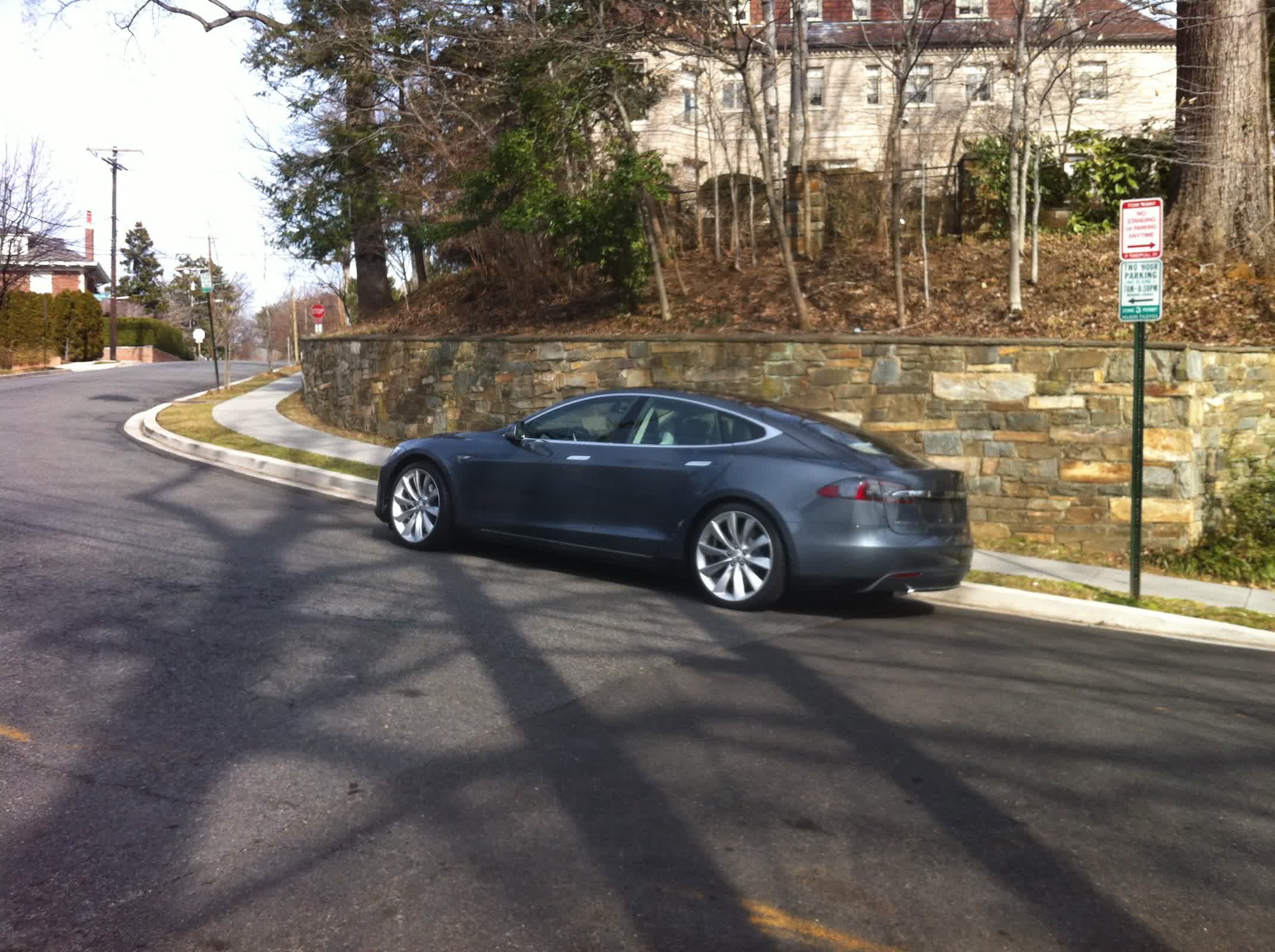
In a nutshell: Tesla owners are increasingly handing routine driving to the company's Full Self-Driving software, using it on crowded city streets, freeways, and neighborhood roads. But as the system takes on more of the work behind the wheel, the gap between what the technology appears capable of doing and what drivers are legally allowed to trust it to do is becoming harder to ignore.
Tesla's Full Self-Driving (supervised) remains a Level 2 driver-assistance system. The person behind the wheel is responsible for the vehicle at all times, even when the software is steering, braking, and controlling speed.
That puts Tesla in a different category from Waymo, which operates Level 4 vehicles without human drivers within mapped areas and uses a more extensive combination of cameras and other sensors.
Tesla is betting that it does not need similarly complex hardware to advance its technology. Elon Musk has promoted a strategy built around lower-cost hardware, a large number of vehicles on the road, and the data those cars generate. The idea is that scale can help Tesla improve its software even while its vehicles remain less automated than purpose-built robotaxis.
For some owners, however, the distinction between assistance and autonomy is already becoming less meaningful in everyday use.
Rohullah Hashimi, a full-time Uber driver, uses the supervised system in his 2026 base Model Y. During a recent trip through San Francisco, the vehicle navigated neighborhood streets, passed a construction zone on Geary Boulevard, climbed Twin Peaks, and parked at Christmas Tree Point. The Model Y relies on nine cameras, with a dashboard display showing the system's view while Hashimi remains behind the wheel.
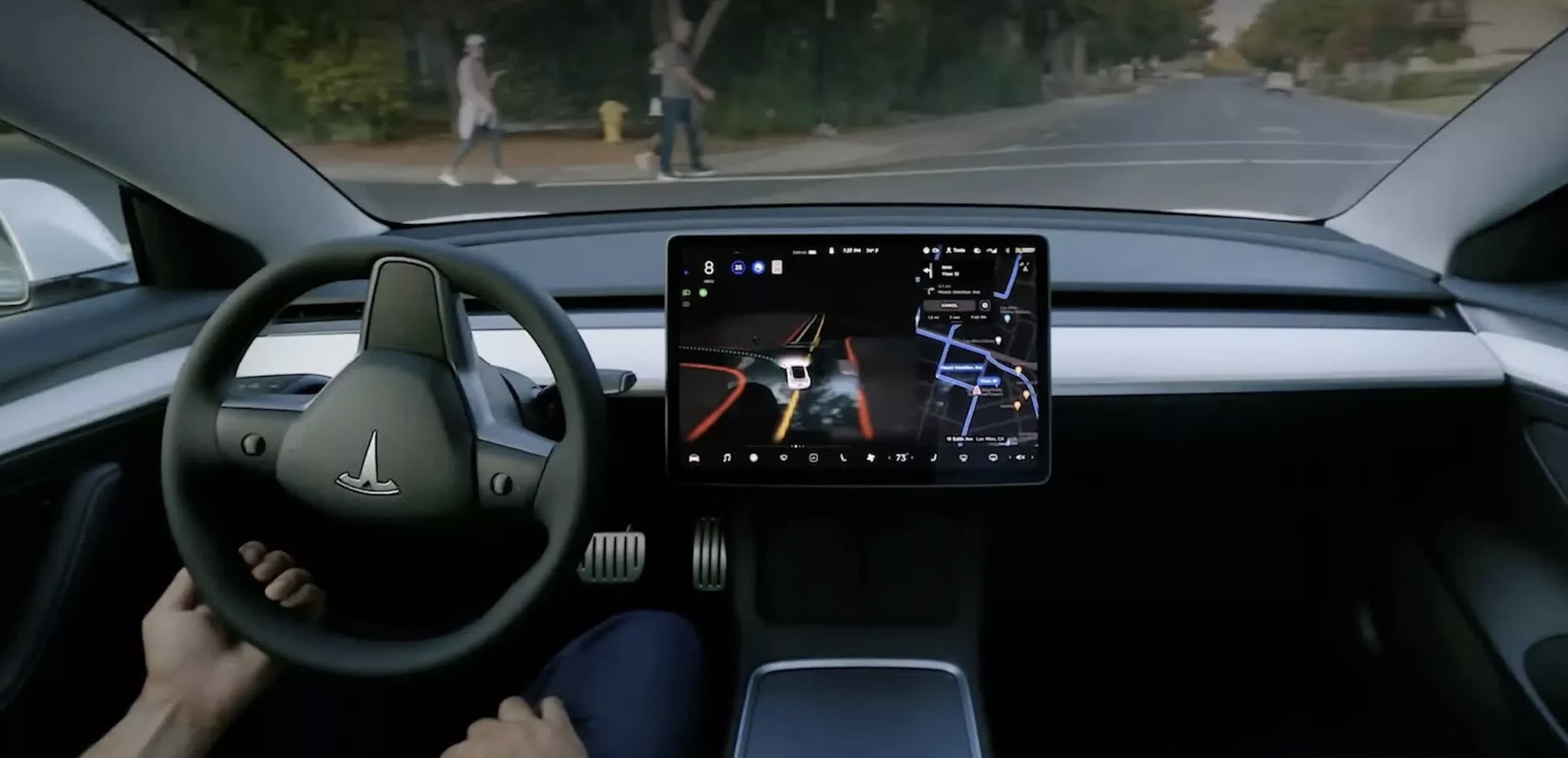
"This car is designed to change your life," Hashimi told the San Francisco Chronicle, estimating that he relies on Tesla's advanced driver assistance about "95%" of the time.
His experience illustrates how capable driver-assistance software can change driver behavior before the technology reaches full autonomy. California allows advanced driver-assistance systems, but they do not relieve motorists of responsibility. Texting while driving, for example, remains illegal even when the software is controlling the vehicle.
Also read: The Six Levels of Self-Driving Systems
"There's an interesting choice that we have to come to terms with," said Scott Moura, faculty director of California Partners for Advanced Transportation Technology at UC Berkeley. "All this automation of vehicles, is it for safety, or is it for convenience? Those two aren't necessarily the same thing."
Tesla has also changed how it monitors drivers. Joe Jefferson, president of Tesla Owners San Joaquin Valley and Tesla Owners Nor Cal-Reno, has used versions of FSD (Supervised) since 2020. Earlier versions required periodic steering-wheel input and issued escalating warnings when drivers kept their hands off the wheel. Tesla now relies on an interior camera to determine whether the driver is monitoring the road.
The software also gives drivers more control over how aggressively the car behaves. The latest version includes five profiles ranging from "Mad Max" to "sloth," with "Hurry," standard, and "chill" between them. The settings change how the vehicle behaves in traffic while leaving responsibility with the driver.
Hashimi says the technology has improved his measurable driving performance. Uber tracks behaviors including braking and acceleration through its app, and his score increased from 70% to 98% when the Model Y handled the driving. During one trip, the car stopped for two pedestrians Hashimi said he had not noticed.
"You see?" he said. "I didn't see them. The car did, and it stopped. And now one of them is giving me the thank-you wave."
The system can still make choices an attentive driver might avoid. Moura, who has used FSD (Supervised) for about half of his driving over the past 16 months, said Tesla sometimes waits longer than he would to move into the correct lane before a freeway exit.
"My eyes are on the road the entire time, and I'm constantly scanning for strange things that might happen," Moura said. "I'm trying to anticipate how I would react, and observing what the vehicle does."