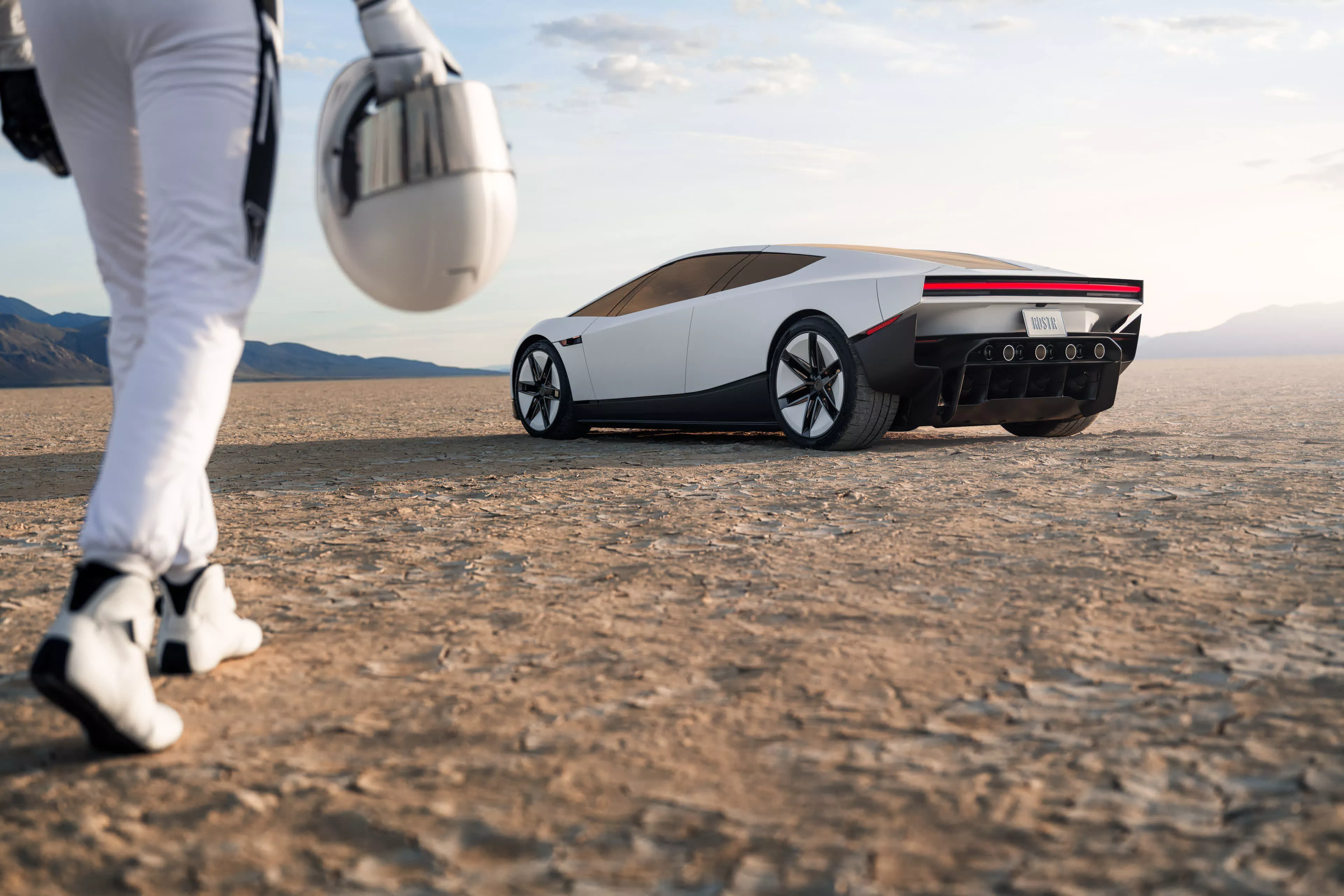
First look: Tesla has introduced a next-generation Roadster that it says can fly, with a single-seat Rocket configuration designed to lift off the ground and maneuver in the air. The Rocket is the most ambitious of three versions, with a claimed zero-to-60 mph time below 0.59 seconds. The engineering pushes the Roadster beyond conventional sports-car performance, though it remains unclear whether owners will be allowed to use its full capabilities.
The Rocket configuration places thrusters around the car's perimeter to provide forward and upward acceleration as well as lateral rotation. All-electric actuators make small adjustments to stabilize the vehicle in flight.
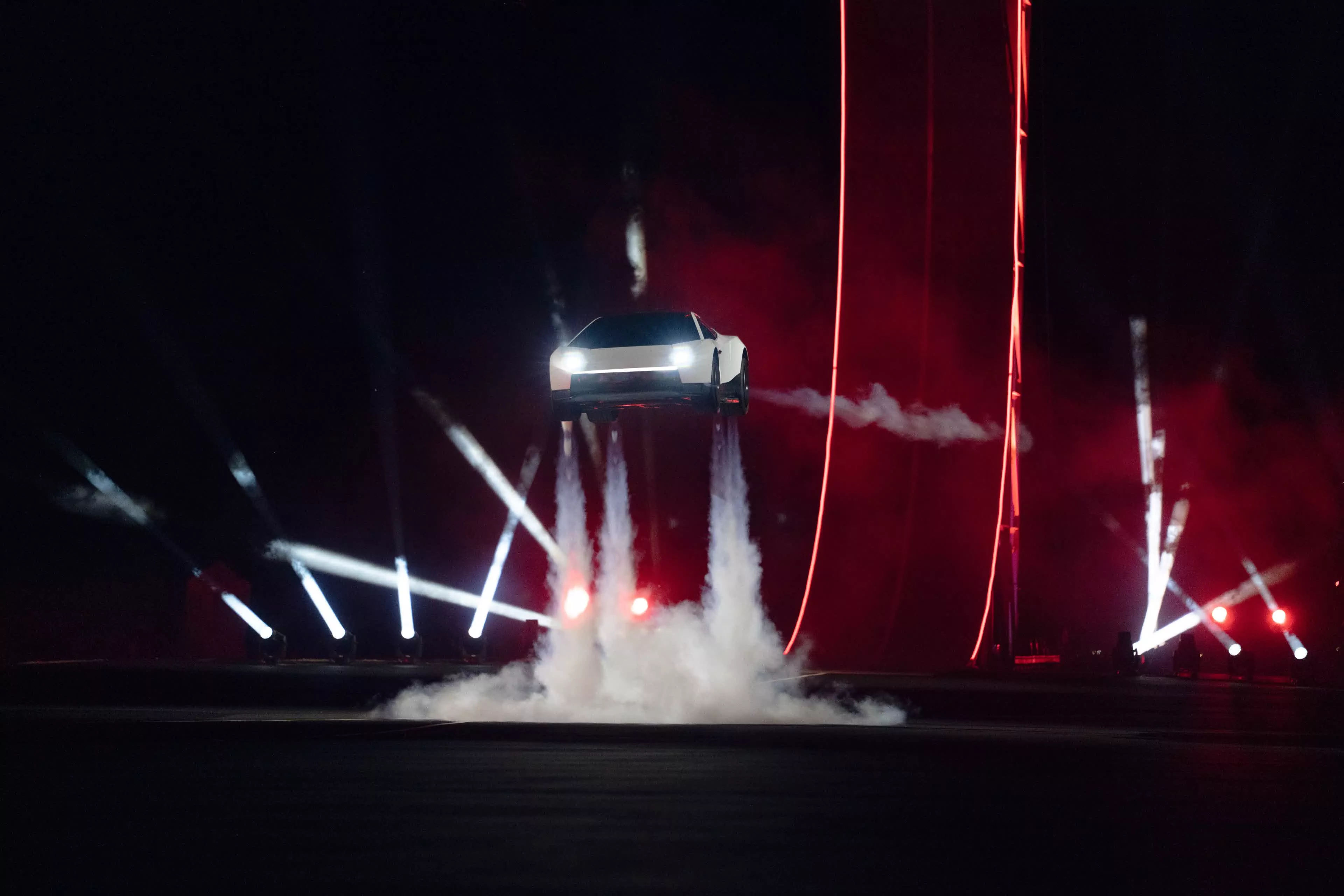
Tesla demonstrated airborne maneuvers Thursday night outside Waco, Texas, near SpaceX's McGregor site. The Roadster climbed a curved ramp until it was upside down, then launched off, flipped and landed on the pavement. It also hovered over a moving lineup that included a Cybercab, Cybertruck, Tesla Semi, Model Y and Model 3.
– Tesla (@Tesla) October 16, 2026
"Well, it worked," Elon Musk said. "Flying cars are real."
Musk described the car as a collaboration between Tesla and SpaceX engineers. He said, "This will be the actual car that's on the roads," although Tesla has stated that the Roadster is not approved for public road use. Rocket will be available by invitation only and will not be offered in every region.
The Roadster uses a separate fan system to stay attached to a surface. Together with a ground seal, the fans pull air from beneath the car to create suction. Tesla says that suction can hold the vehicle upside down even when it is stopped, unlike aerodynamic features that rely on the car's movement. The car also has active wings and a Track Mode that lowers its ride height.
That system appears in the two-seat Performance configuration, which Tesla lists with a zero-to-60 mph time under 1.6 seconds. Performance will be available through reservations.
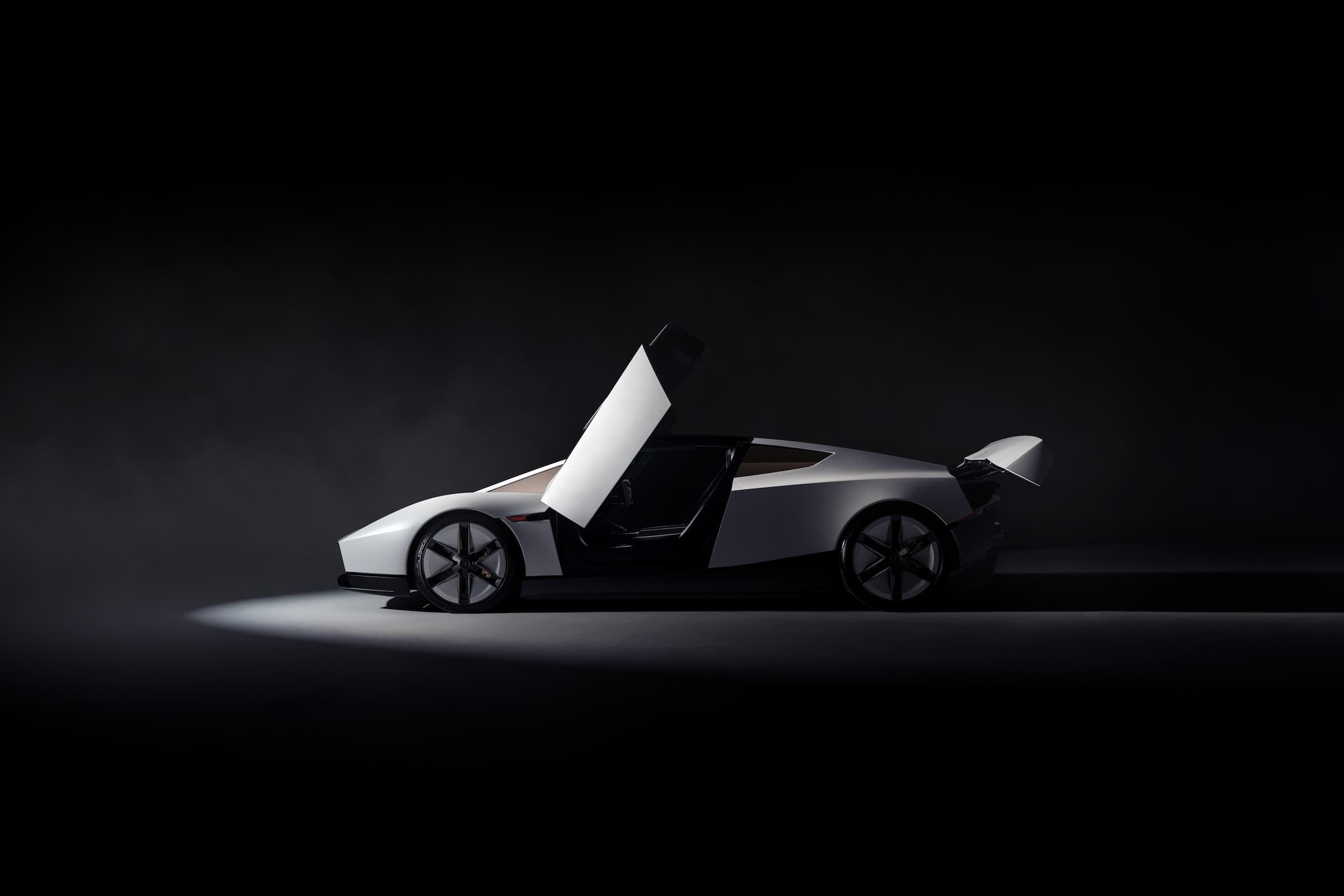
The two-seat Thrust version adds rear-mounted cold gas thrusters and lowers the claimed acceleration time to under 0.9 seconds. Tesla describes it as race-ready and plans a limited release.
Rocket removes the second seat and uses the perimeter-mounted thrusters for its broader range of movement. Its published acceleration time is considerably shorter than the one-second zero-to-60 mph run Tesla showed during the demonstration. Tesla also lists a top speed over 230 mph and a range over 300 miles.
– Tesla (@Tesla) October 16, 2026
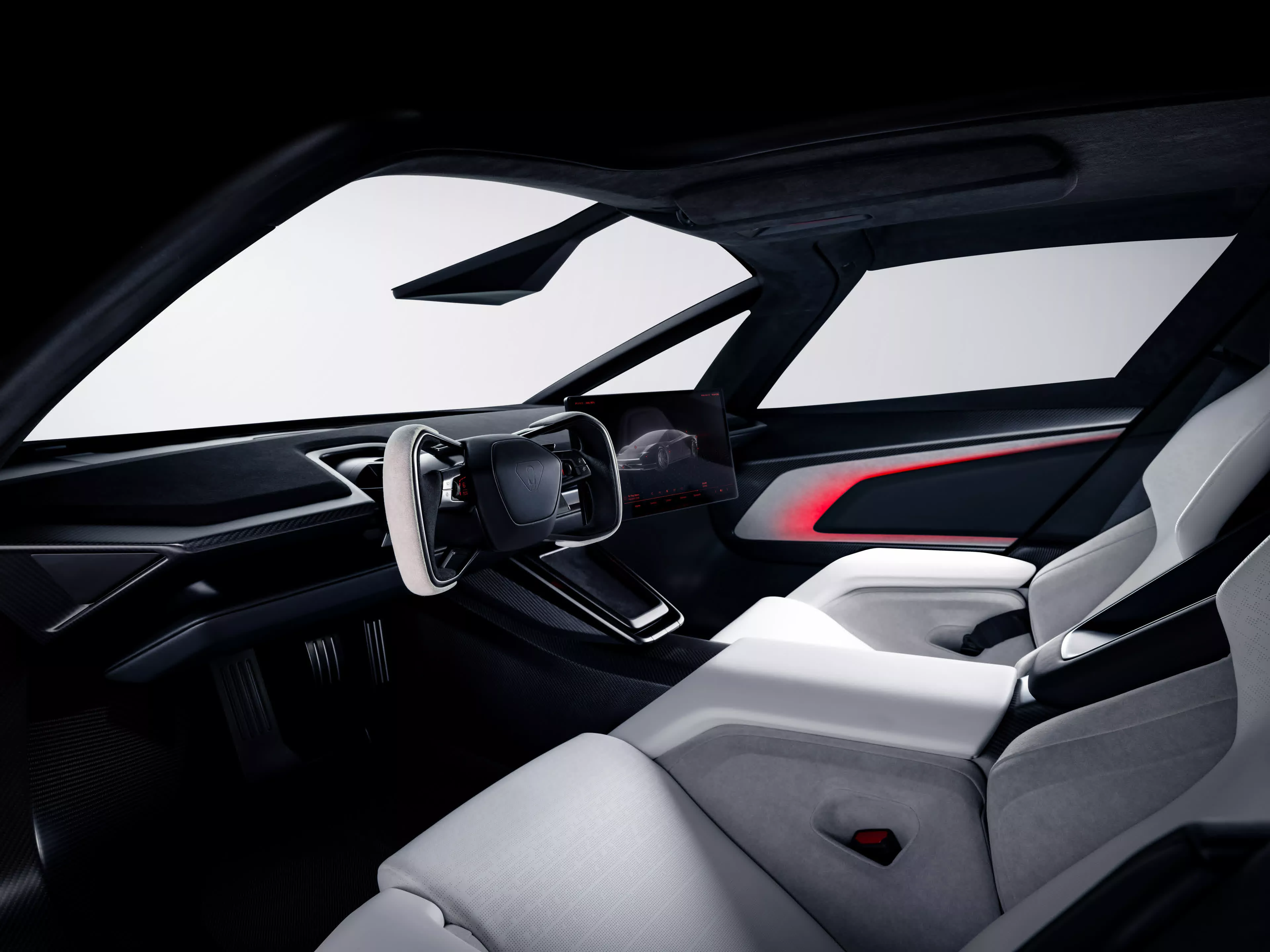
Tesla says it cut weight with magnesium, titanium, carbon fiber, manual controls and a fixed seat position. The cabin has a steer-by-wire yoke, a center touchscreen and two smaller displays in front of the driver.
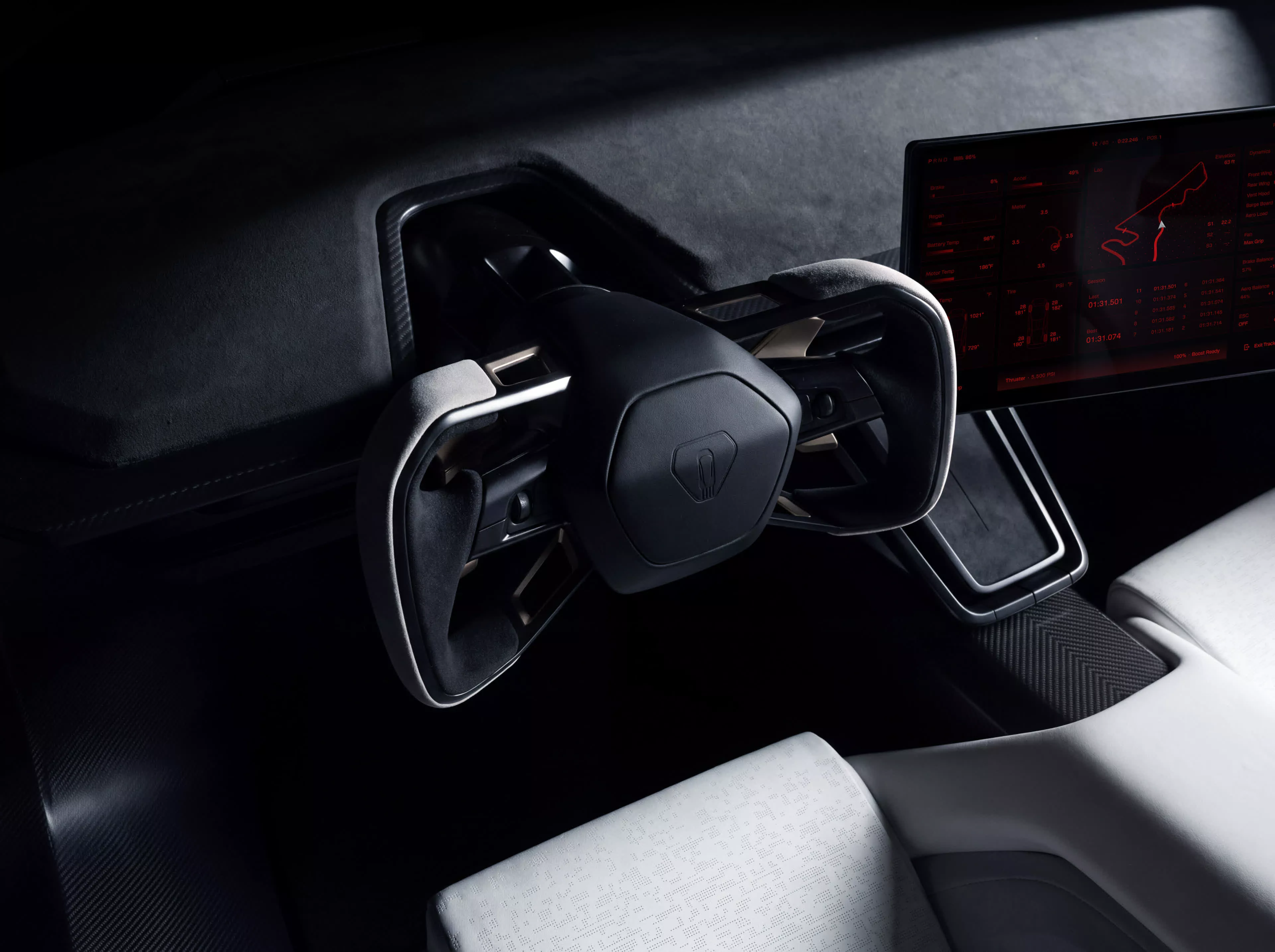
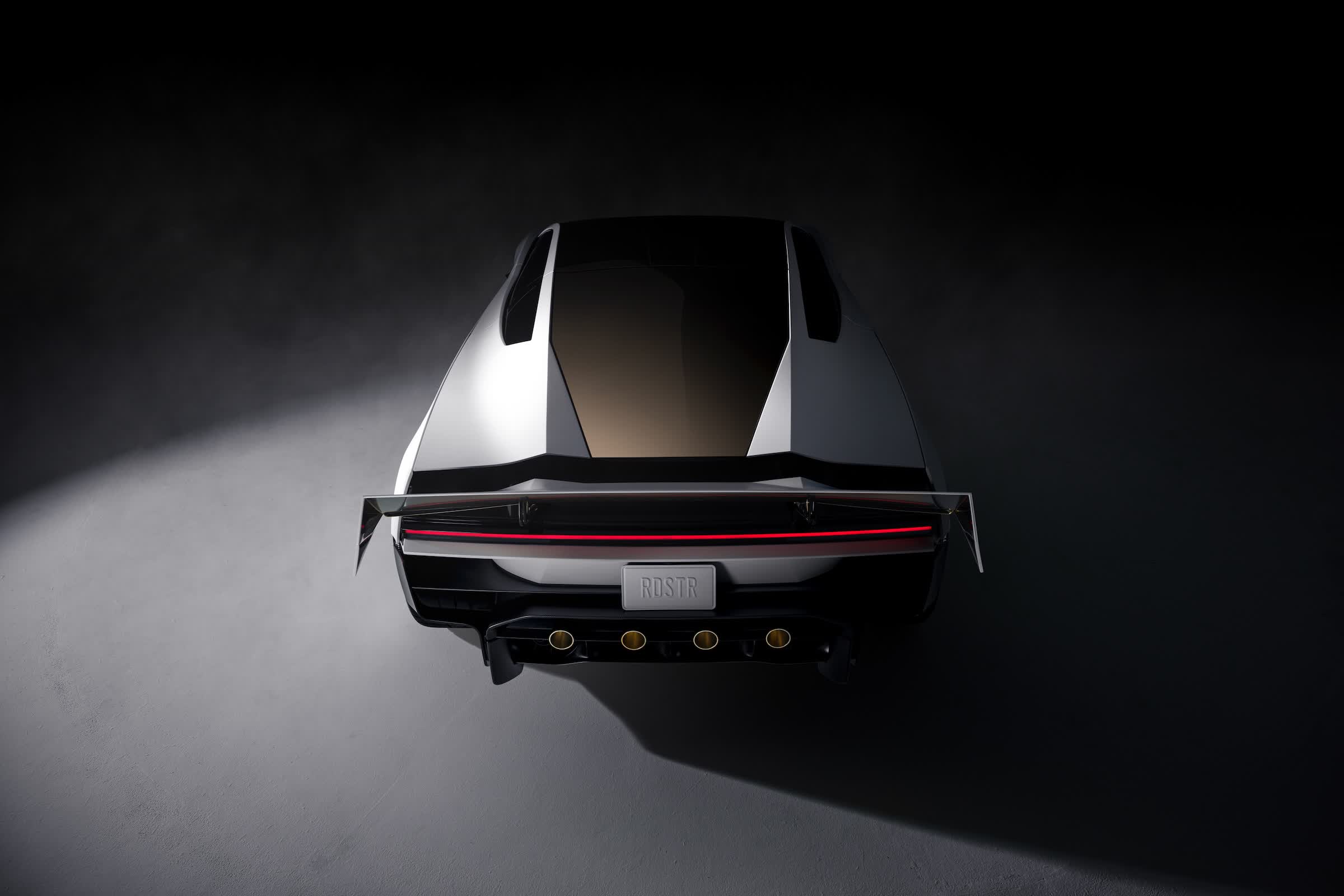
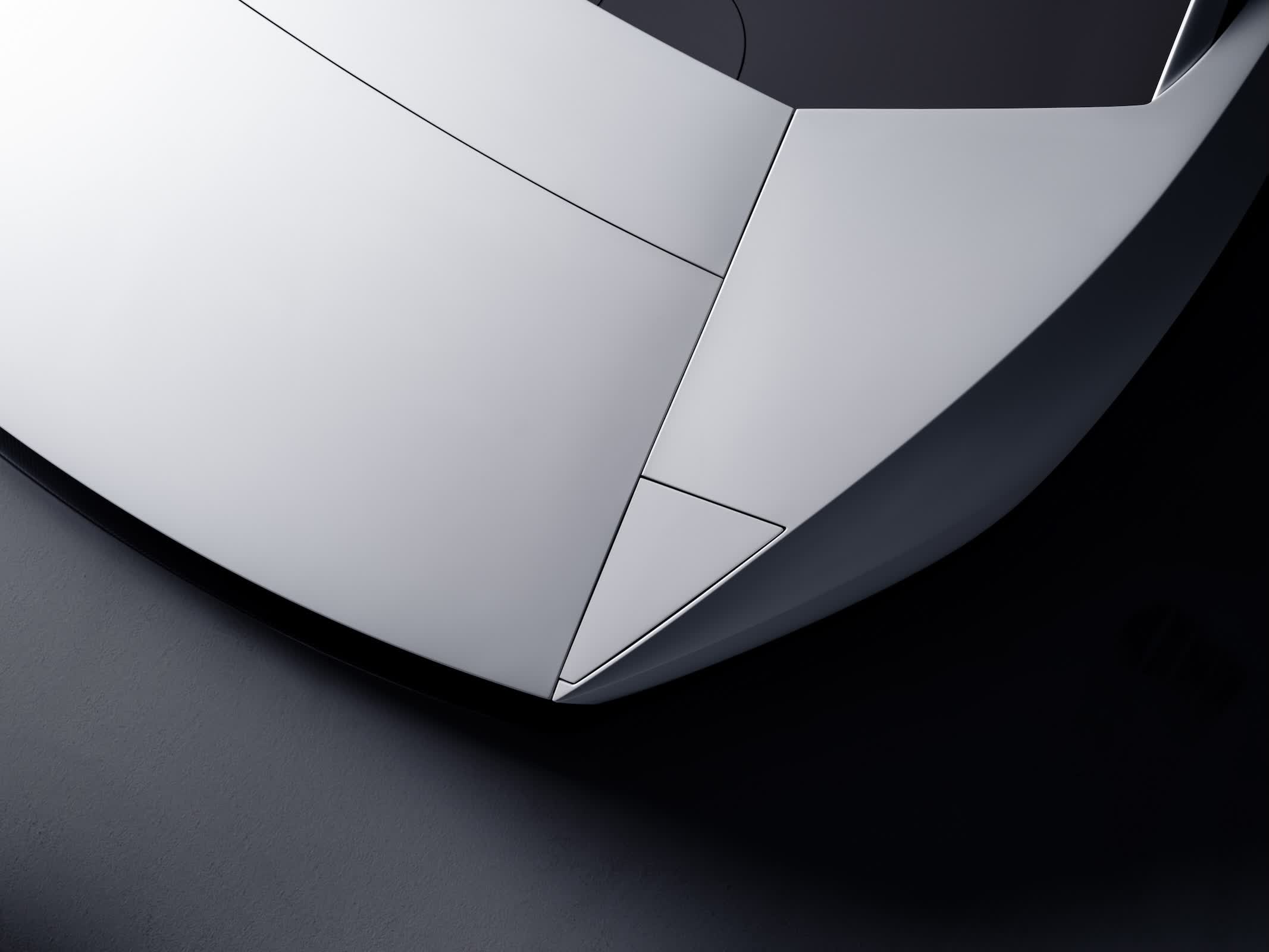
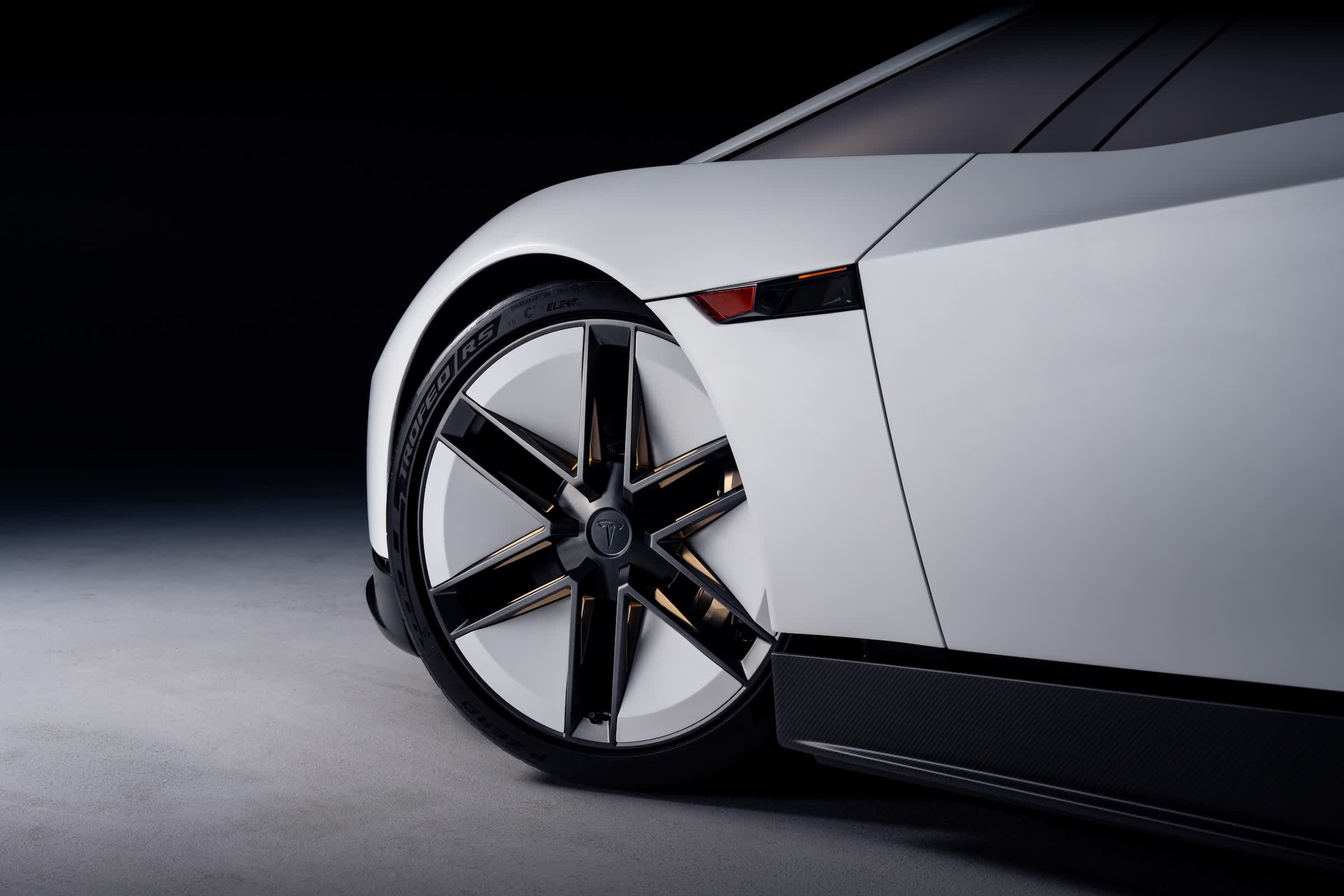
The exterior has hidden headlights, a full-length taillight and Ano White paint inspired by aerospace coatings. Gold-tinted glass is modeled on spacesuit visors. Inside, Tesla pairs an Ultrawhite interior with gray microsuede.
Tesla has reopened reservations requiring a $50,000 deposit but has not revealed vehicle pricing. Production is planned for Giga Texas in 2027 or 2028. Musk has said manufacturing would begin 12 to 18 months after the demonstration.
Musk has called the Roadster "the best of the last of the human-driven cars," while acknowledging that he is "not sure it moves the needle massively from a revenue standpoint." He has also warned that buyers whose top priority is safety should not purchase it.