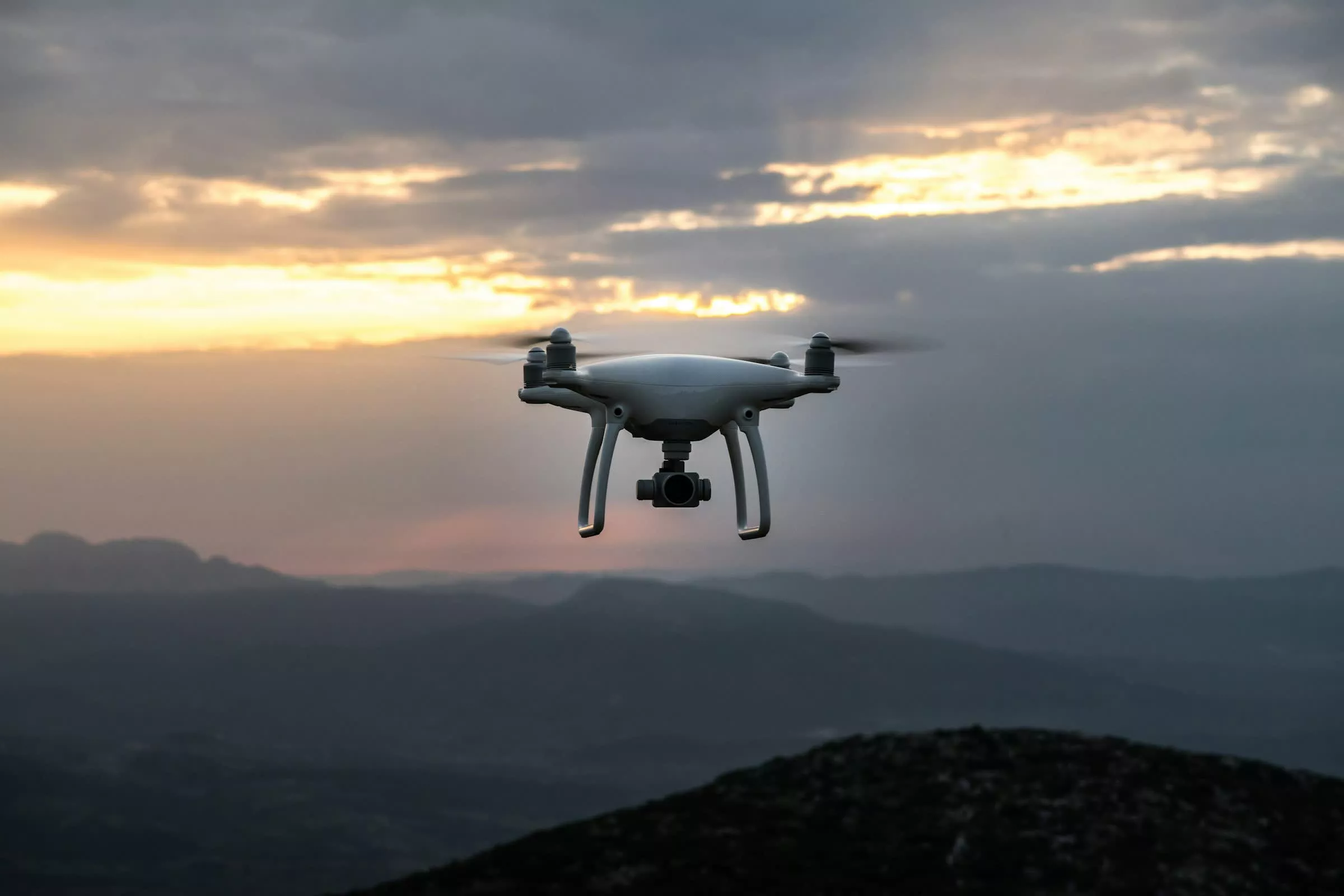
WTF?! Solar panels might be a clean-energy-producing technology, but there's little we can do when the weather interferes – or is there? A startup backed by Y Combinator has plans to manufacture drones that fly inside clouds to disperse them so solar farm panels aren't blocked from seeing sunlight.
Meteoric Technologies Inc., the creation of two engineers from the University of Cambridge, announced its plan to use drones as a way of increasing the efficiency of solar farms.
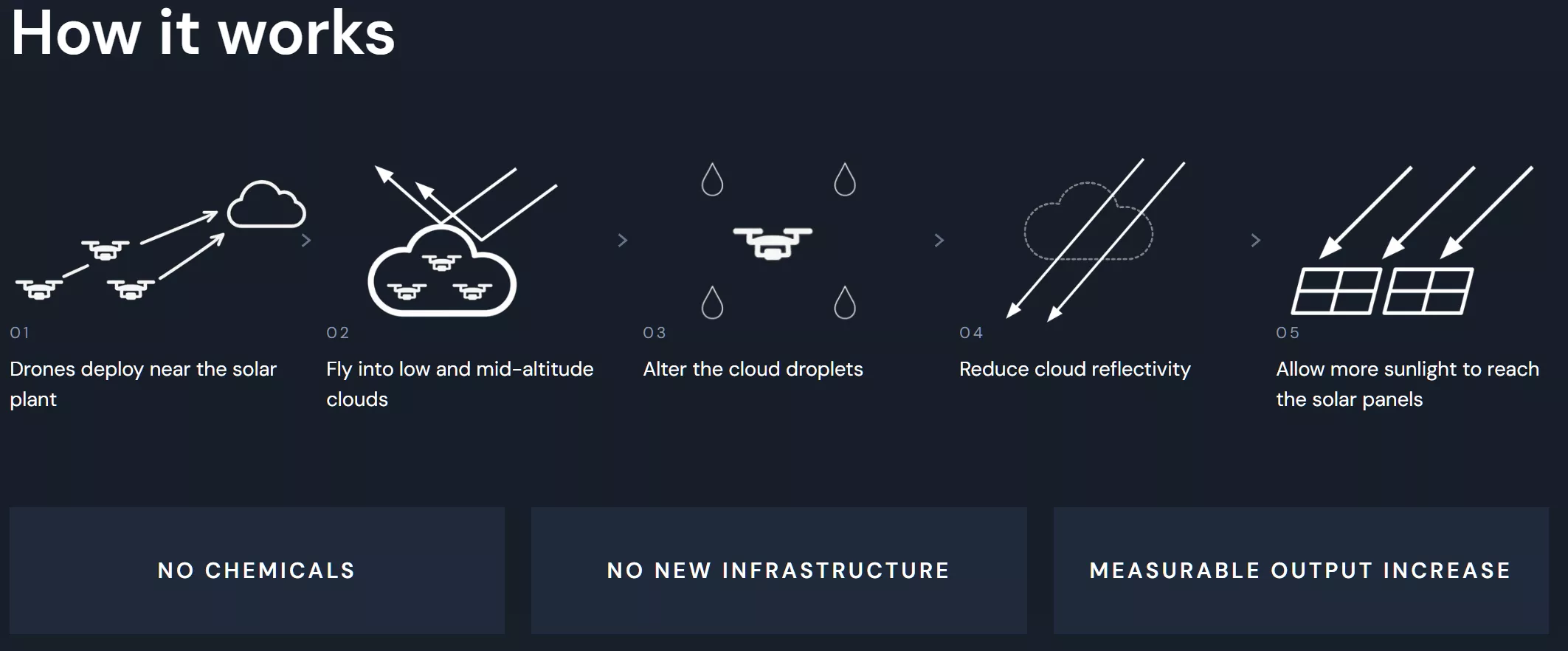
The proposal involves sending fleets of dozens or even hundreds of autonomous drones into low- and mid-altitude clouds (about 0.6 to 3.1 miles high) above solar farms and altering the water droplets that form them – without the use of chemicals.
"This reduces their reflectivity and brings back measurable amounts of sunlight to the panels below," said Meteoric CEO Mete Karslioglu.
Karslioglu added that low- and mid-level overcast clouds cut incoming sunlight by 73% to 82% while overhead, a loss he says the drones can partially reverse.
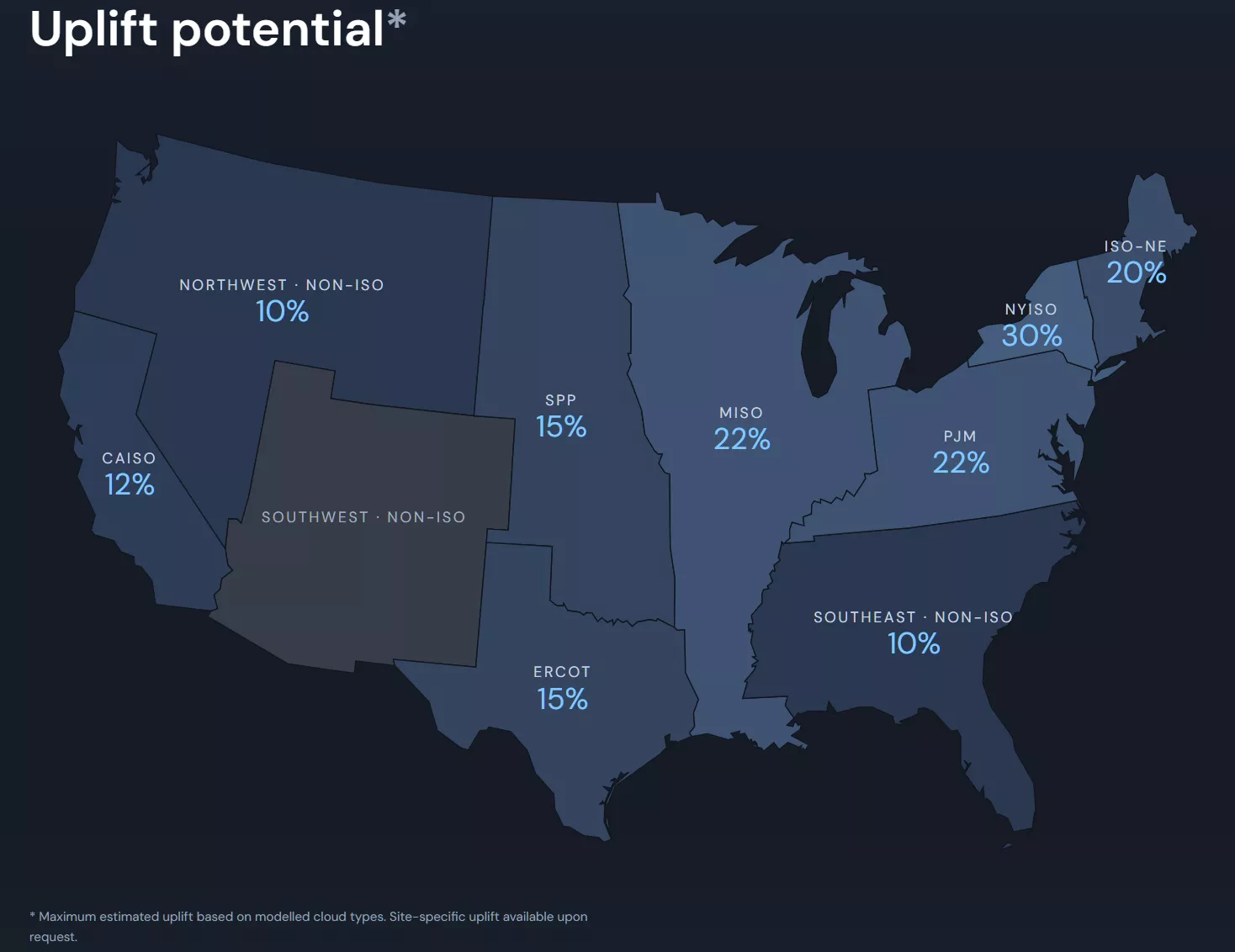
"Our cloud-loss model shows that this process can increase annual generation from existing assets by 10-30% across major US grid regions, worth around $5,000-28,000/MW, without building any new infrastructure," the CEO continued. "Our ultimate goal is to reduce the intensity of severe storms and hurricanes."
Exactly how Meteoric plans to disperse the clouds is unclear, though the company claims its working prototype dissipated an artificial cloud by 13% in cloud-chamber tests. No details have been published on the chamber size, measurement method, repeated trials, or peer review. The 10% to 30% figure also comes from a cloud-loss model, not measurements at an operating solar farm.
Current cloud-dispersal methods mainly deal with fog around airports rather than large cloud layers above solar farms. Supercooled fog can be treated with dry ice dropped from aircraft or liquid propane sprayed from the ground. Both produce ice crystals that grow at the expense of surrounding droplets before falling out of the air.
Warm fog is more difficult to remove. Methods include releasing hygroscopic salts that absorb moisture, heating the air until the droplets evaporate, and using helicopter rotor wash to mix the fog with warmer or drier air.
The American Meteorological Society says these techniques work under specific weather conditions, while the World Meteorological Organization notes heating and mechanical mixing are often too expensive and impractical.
Meteoric says conventional aircraft-based operations cost $2,000 per hour or more, compared with $30 to $60 per hour for its electric drones.
The startup's ambitions to weaken severe storms and hurricanes are raising even more eyebrows. The WMO says there is no generally accepted evidence that tropical cyclones can be modified. It also warns that technologies promising large-scale or dramatic effects lack a sound scientific basis.
The next major step for Meteoric is to prove its system actually works on a real cloud.