
Facepalm: South Korea has resorted to extreme measures to catch students sneaking phones into their university entrance exam: authorities sounded the country's highest-level emergency alert on handsets nationwide. The plan worked, too. The first alarm caught 22 students who hadn't handed over their devices.
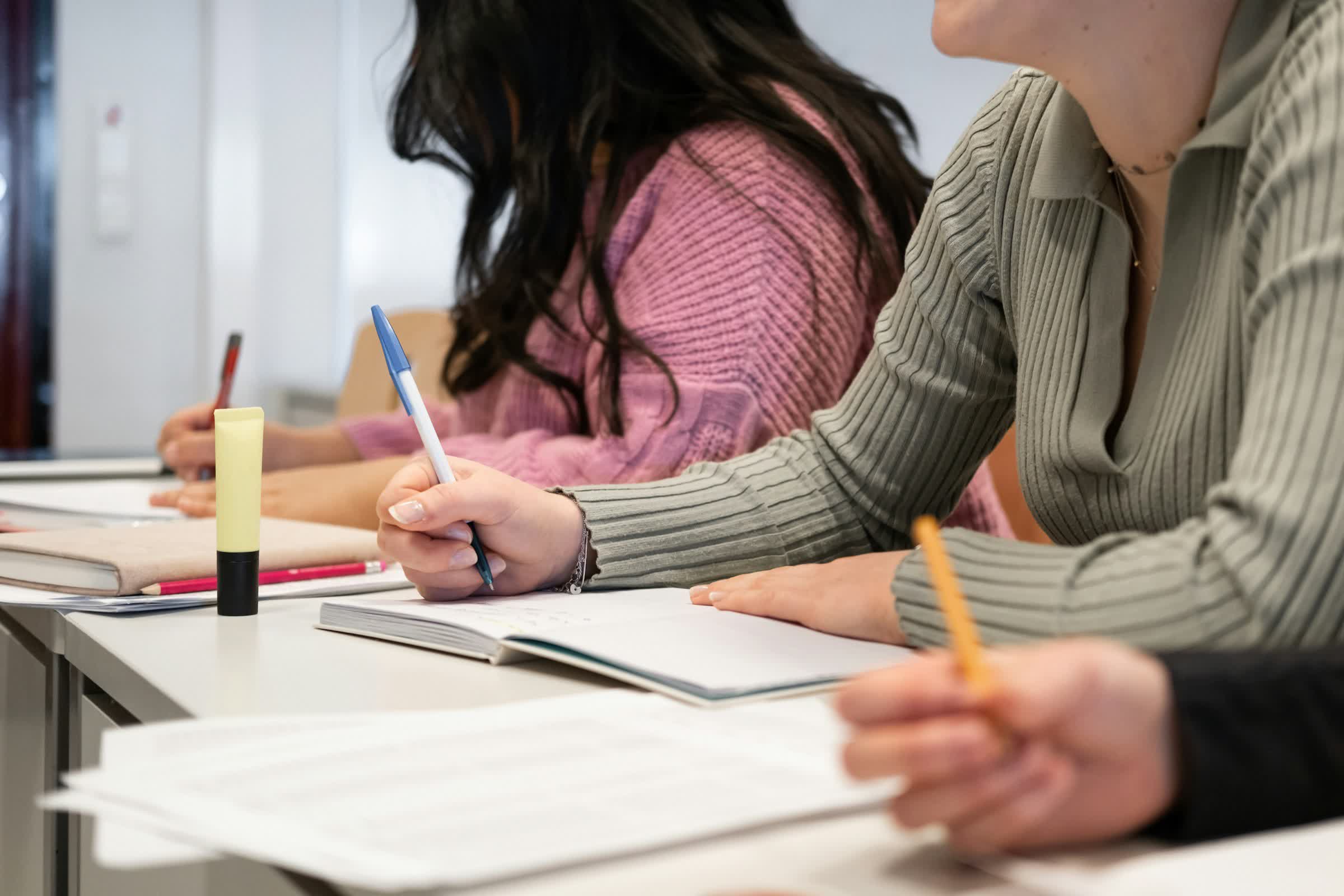
Half a million people took South Korea's annual College Scholastic Ability Test (CSAT), known as the suneung, at 1,312 centers across the country on Thursday. The five exams take place over eight hours in a single day, and the results can determine which university a candidate gets into and what they can study.
There's been a lot of focus on cheating this year after the top scorer in South Korea's professional tax accountancy exam got a suspicious 159 out of 160 questions right. He later admitted to using a microcamera and generative AI to cheat.
At 8:30 am, just before the first exam began, authorities triggered the Extreme Emergency Alert, a 10.5-second alarm designed to sound at full volume even on phones set to silent. Officials say it caught 22 people across nine cities and provinces who had failed to surrender their smartphones. A second alert went off at 2:21 pm, while proctors were collecting the test papers and answer sheets after the third exam.
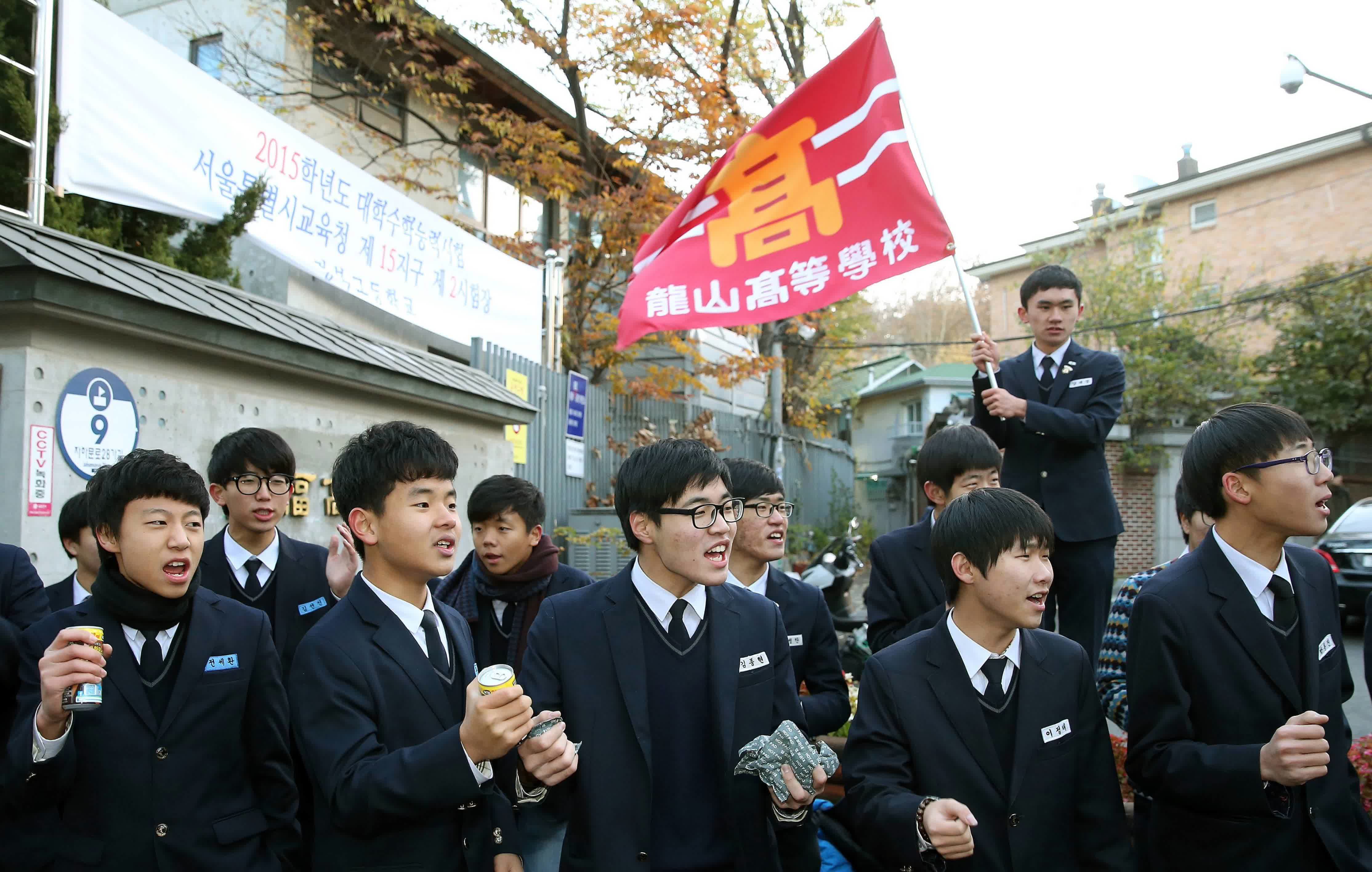
Given the tensions between North and South Korea, it's understandable that a nationwide emergency alert gave some people a fright. One Seoul resident said their first thought was that war had broken out. Two Japanese visitors at a café in central Seoul had to translate the message before they realized what had interrupted their morning coffee.
The alarm may also have caught a few people its organizers hadn't intended. According to the Korea JoongAng Daily, posts appeared online claiming that several soldiers had their second phones confiscated after the alert gave them away.
Then there was the civil servant who finished a night shift at around 8 am and was trying to get some sleep. A third alarm at 2:57 p.m. brought the day's total to three, prompting the understandably tired worker to complain that he "couldn't get a wink of sleep."
Authorities had originally planned to keep the timing of the afternoon alerts a surprise, but decided to give the public a heads-up. So at 2:45 pm, people received a message warning them that in 12 minutes they'd get another message telling them there was nothing to worry about.


