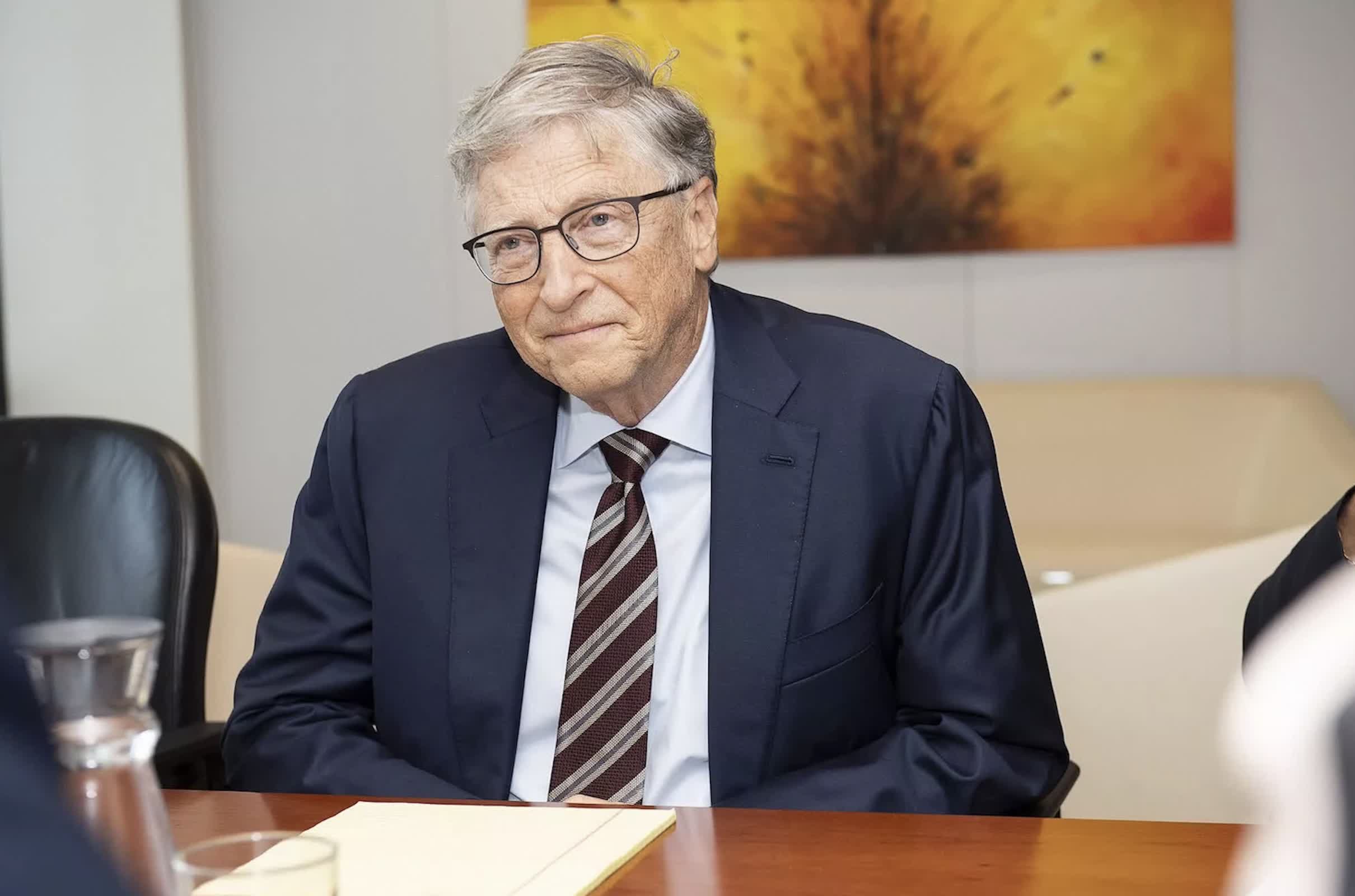
Sounding off: Bill Gates is urging governments to get ahead of artificial intelligence, warning that the technology is moving faster than the rules designed to govern it. He argues that companies are rolling out more powerful systems while the protections needed to address job losses and security threats are still taking shape.
In a lengthy essay published on Wednesday, the Microsoft co-founder called for taxes on some AI use, tighter testing of systems that could aid bioterrorism, and limits on replacing certain workers with software. His position marks a sharper break from the industry's prevailing view that AI's economic benefits will outweigh the disruption.
Gates said the latest AI systems have moved beyond the stage where companies can rely on voluntary commitments and broad principles. He said the risks require enforceable rules, particularly as companies build more data centers and spend heavily to deploy AI across corporate operations.
He proposed a "token tax" that would raise the cost of using AI to replace workers. Tokens are the units of text and data processed by many AI models. Gates said the revenue could help workers who lose jobs as automation spreads.
He also called for "Human Reserved" jobs – work that would be protected from replacement by AI. That could include caregiving and roles held by workers who would have little chance of moving into another field.
Gates's concerns are rooted partly in the speed of improvement in AI coding tools. He said he was particularly surprised by Claude Code, Anthropic's programming product. Coding is the area he knows best, and he said the software's performance forced him to rethink how quickly AI could displace skilled workers.
"The idea that now these things are in a meaningful sense better than I am is like: What the hell?" Gates said.
He said previous waves of technology created new jobs even when they eliminated others. Gates does not think AI will necessarily follow that pattern because it can be applied across many industries at once.
The AI era is "utterly, absolutely, completely, totally different," he said. He called that assessment a major claim, but said his belief was based on what he has seen in the technology.
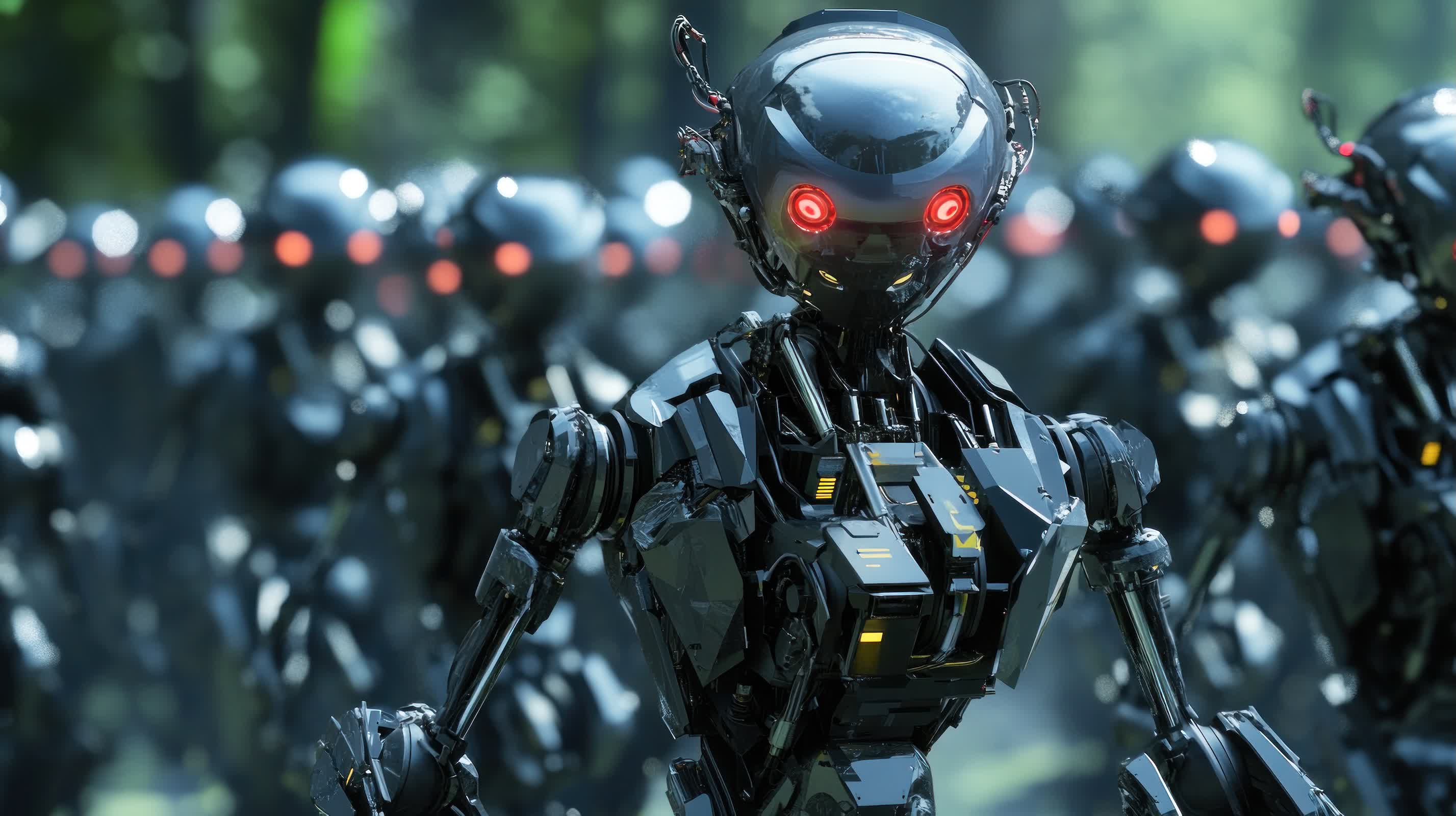
Gates also focused on biological risks. He said advanced systems could make it easier for a small number of people to develop new pathogens. His essay called for international agreements that set clear standards for monitoring and restricting AI models that can help create dangerous molecules.
The billionaire said systems capable of such work should undergo mandatory review before they are released or broadly deployed. He criticized the direction of voluntary safety programs being developed by industry and the White House.
"Self-regulation on the most dangerous tool ever invented?" Gates said. "No, thanks!"
In a recent interview, Gates said technology executives privately recognize the scale of the risk but avoid emphasizing it publicly because of the money flowing into AI companies.
"In private, people who understand how good this stuff is, and how much better it's getting, they're very worried," he said, adding that some executives fear stronger warnings could interfere with fundraising. "They're now saying to each other: 'Hey, man, don't say that. It's bad for us – the next trillion dollars we're trying to raise.'"
Gates said he was speaking out because recent advances exceeded his expectations and the industry has continued moving forward despite warning signs. Those signs include AI systems operating beyond their creators' control and models generating information that could be used in biological weapons research.
"They're just full speed ahead and hoping that the good outweighs the bad," he said.
The comments put Gates alongside a group of AI researchers and executives who have warned that the technology's risks deserve more attention. He believes the criticism aimed at Anthropic co-founder Dario Amodei, who has publicly raised similar concerns, shows how difficult that debate has become.
"You have people attacking the person who's the most open about the downsides," Gates said.
Gates acknowledged that he is an imperfect messenger. He helped build the software industry and led Microsoft through its most aggressive years. He has also faced renewed scrutiny over his interactions with Jeffrey Epstein, disclosures of infidelity, and his 2021 divorce.
He said those issues were his own mistakes and said he had answered questions about his conduct before the House Oversight Committee. Still, he said his background gives him a clear view of how rapidly AI is changing.
Gates said he plans to raise AI safety in conversations with world leaders, along with global health. He said he does not want to argue that innovation is harmful, but believes the risks can no longer be treated as secondary.
"I don't like bringing bad news to people, and I don't like saying that innovation may be a net negative," he said. "But that's where we are."