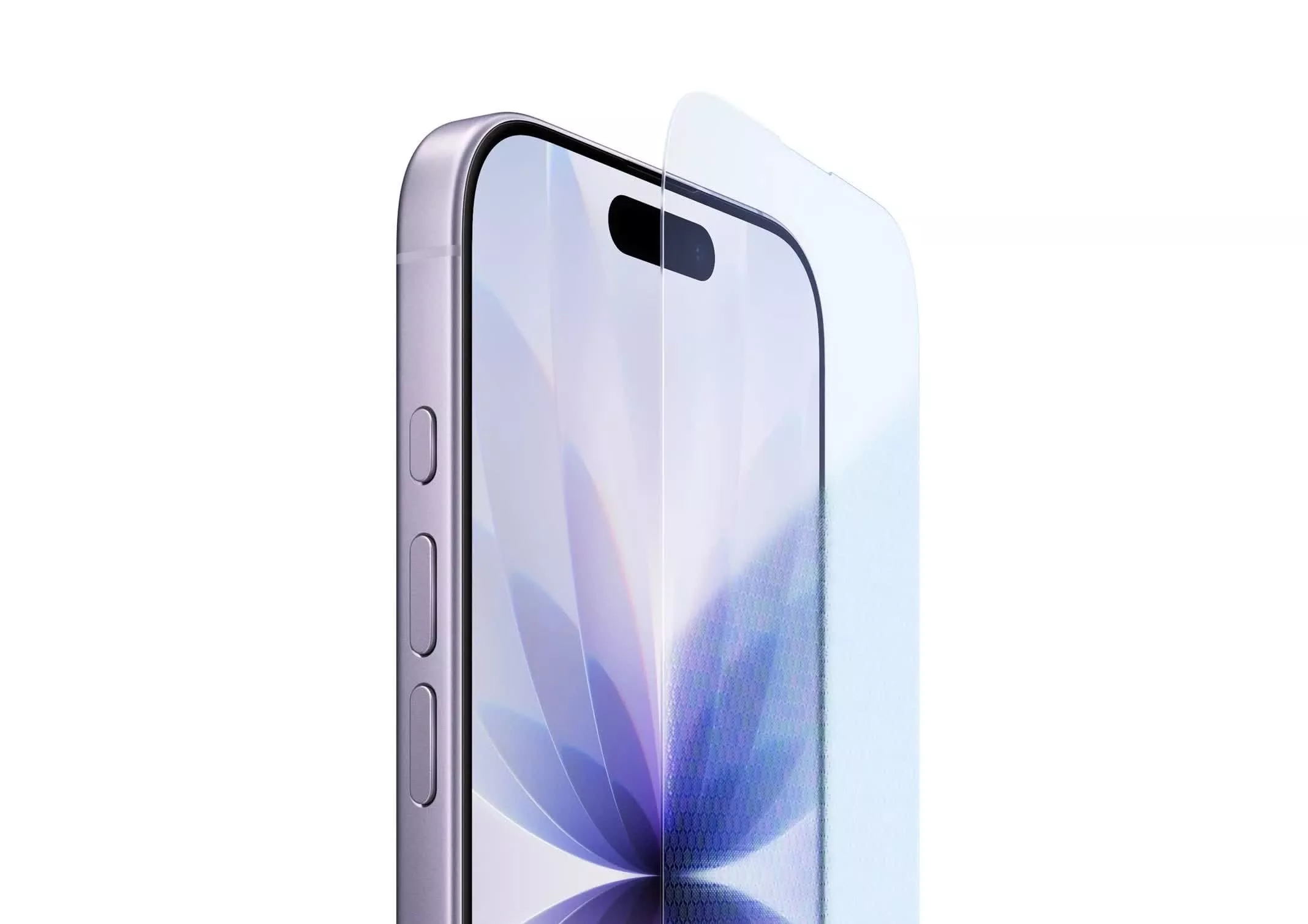
Big quote: Tom Marieb has a visceral reaction when he sees an iPhone owner put on a screen protector. "Personally, when I see someone put a screen protector on their iPhone, it makes my skin crawl, because we work so hard to make beautiful front screens," he told TechRadar. The remark from Apple's new vice president of hardware engineering reflects the company's confidence in Ceramic Shield 2, its latest display material.
Apple introduced the material with the iPhone 17 lineup and also uses it on the new iPhone 18 Pro and the outer screen of the new iPhone Duo foldable.
Marieb said Apple set out to solve a familiar problem for smartphone owners: screens that pick up scratches through normal use. But scratch resistance alone wasn't the whole goal; the company also wanted the coating to stay durable as the device aged, since the two properties tend to work against each other in most materials.
Apple said Ceramic Shield 2 provides three times the scratch resistance of the previous generation. The company's position is that its display technology is strong enough that users should be able to enjoy the appearance of the front glass without immediately covering it with another layer.
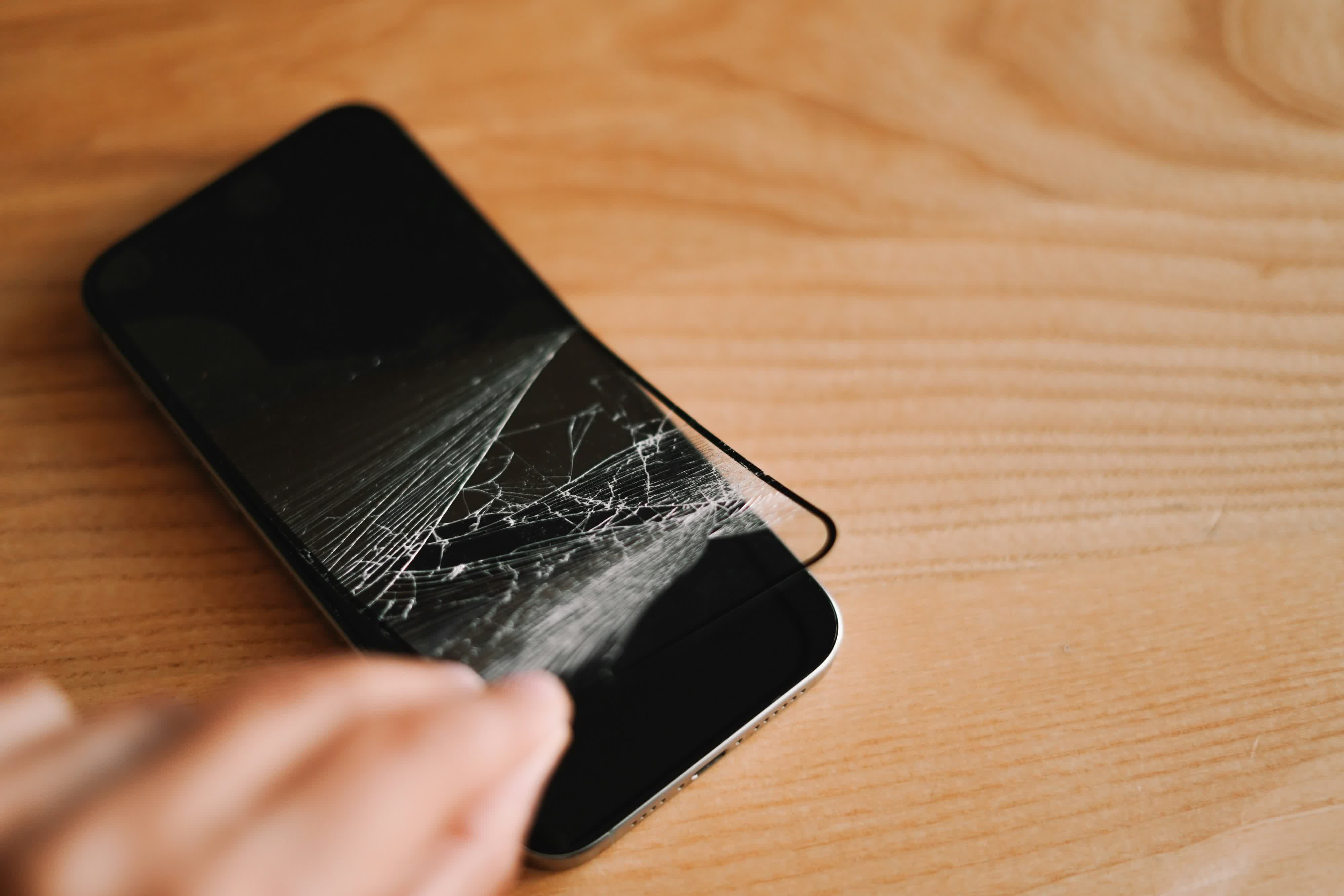
Not everyone finds that argument persuasive, and the reaction to Marieb's comments online suggests the disagreement isn't really about how tough Ceramic Shield 2 is. For a lot of iPhone owners, a protector is less about preventing scratches on great glass and more about not paying for a screen repair at all: out-of-warranty replacements can run into the hundreds of dollars, so a cheap, disposable layer functions as insurance regardless of how durable the glass underneath happens to be.
Others use protectors for reasons that have nothing to do with scratch resistance in the first place, like privacy filtering or extra glare reduction, features no amount of Ceramic Shield toughness would replace.
That same focus on long-term durability extends to the iPhone Duo. The foldable introduces an inner display and hinge system that Apple had to design around issues that don't affect standard slab-style phones.
Marieb said the company spent significant time refining the hinge so that it feels secure in every position, including open, closed, and partially folded. Apple wanted the mechanism to close with the solid feel of a high-end car door, rather than feeling loose or "floppy."
"A lot of blood, sweat, and tears went into that," Marieb said. The Duo's inner screen has a matte finish intended to make any changes around the fold less noticeable than they'd be on a glossy display. Marieb said Apple should be judged on how well that claim holds up over time.
"Hold us accountable to that," he said.
Ceramic Shield 2 and the Duo's hinge represent two sides of the same durability push: one limits scratches on Apple's conventional iPhones, the other addresses the mechanical and display challenges unique to a foldable design.