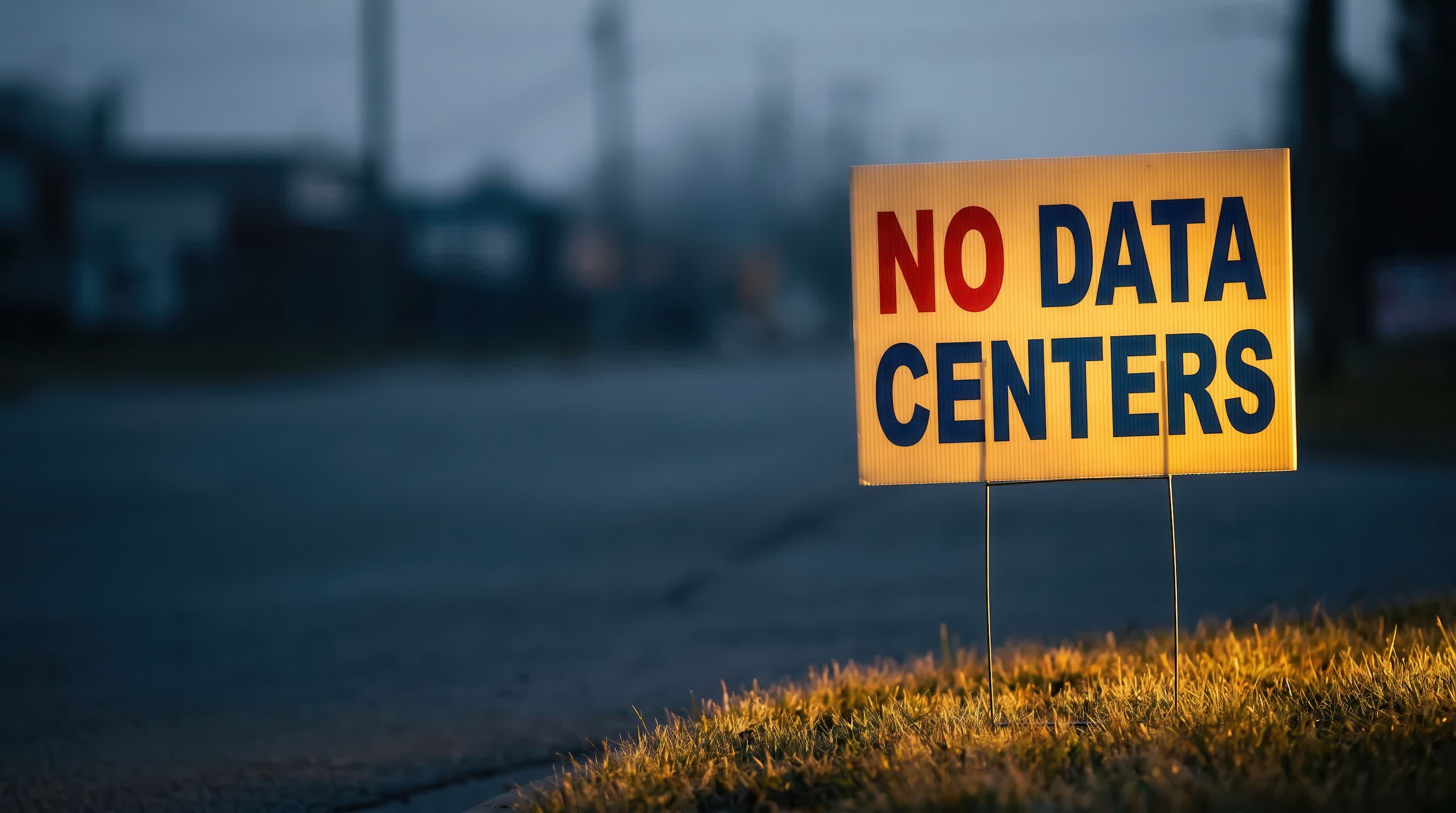
A hot potato: Data center developers are facing stronger resistance as they try to add capacity for AI workloads across the United States. The pushback is delaying or blocking projects worth tens of billions of dollars and prompting states and local governments to scrutinize their power, water and land-use demands. As the AI buildout accelerates, community opposition is becoming a material obstacle to the industry's ability to add computing capacity at the pace it wants.
Local opposition blocked or delayed 45 data center projects valued at $68 billion during the second quarter, according to Data Center Watch, a research initiative from AI intelligence company 10a Labs. The affected projects accounted for more than half of the large-scale data center developments the group began tracking during the period.
The disputes are centered on the practical demands of AI infrastructure. New facilities require large amounts of electricity, water and land, and often need new transmission lines, substations or other utility upgrades. In some areas, residents are challenging individual projects. Elsewhere, local governments are considering moratoriums or new rules before developers submit permit applications.
Data Center Watch said it identified 843 groups opposing data center development in 49 states. Hawaii was the only state without a group on its list. The organization also said 30 statehouses introduced or adopted measures related to data center siting, electricity use or water consumption.
"New groups continue to emerge, opposition is appearing across a wide range of states and jurisdictions, and online petition signatures continue to grow," Miquel Vila, the group's lead analyst, told Bloomberg.
The second-quarter total was below the first quarter, when Data Center Watch counted 75 contested projects with an estimated value of about $130 billion. But the latest figures show that resistance is affecting a large share of proposed developments, not just a few high-profile projects.
For the technology industry, the issue is becoming a constraint on AI expansion. Companies including Amazon, Meta, Microsoft and Alphabet are building more and more data centers to support training and inference workloads, which require significant amounts of electricity and cooling.
Developers have pursued several approaches to meet those needs, including larger grid connections, dedicated generation and on-site power systems. Those plans can create additional opposition, especially when they involve natural gas generation or major utility infrastructure.
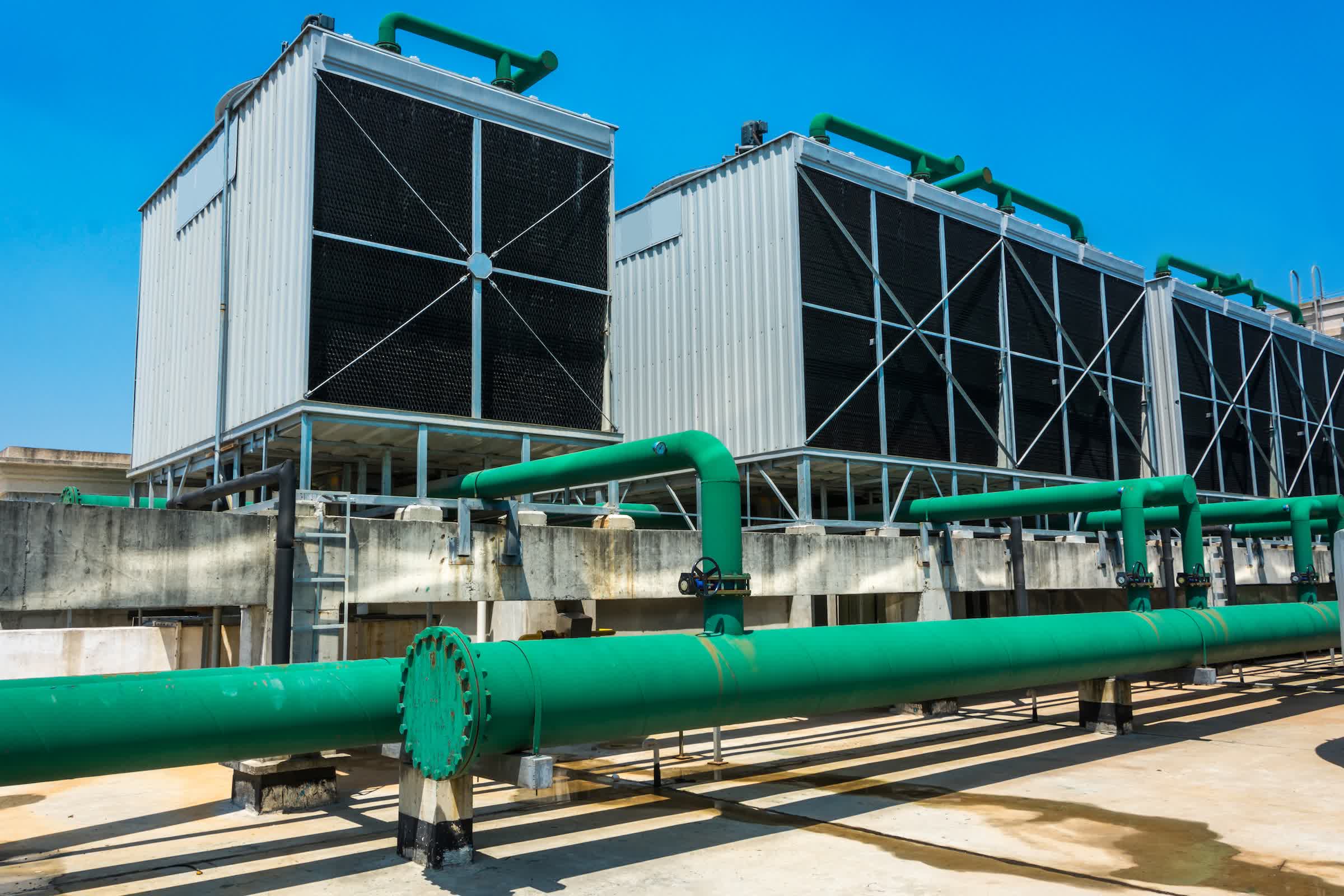
Water use is another concern. Operators have promoted cooling systems designed to reduce consumption, including closed-loop designs. Critics, however, argue that even more efficient systems can place pressure on local supplies when deployed at the scale required for major AI campuses.
Opposition has also spread through online campaigns. One petition against a proposed Tennessee project drew more than 500,000 signatures on Change.org during the quarter, Data Center Watch said. The group said the petition represented more than one-third of all signatures collected on the platform during that period.
Data Center Watch is also seeing similar campaigns outside the United States. The group expanded its reporting this year to include opposition in Europe, Australia, South Africa and other regions. Those efforts focus on many of the same issues seen in the US, including project approvals, power demand and water use.
"As with many other trends, the US has generally been at the forefront, but the phenomenon is increasingly becoming global," Vila said. "We anticipate that this will just become more prominent as data center development expands across the globe."