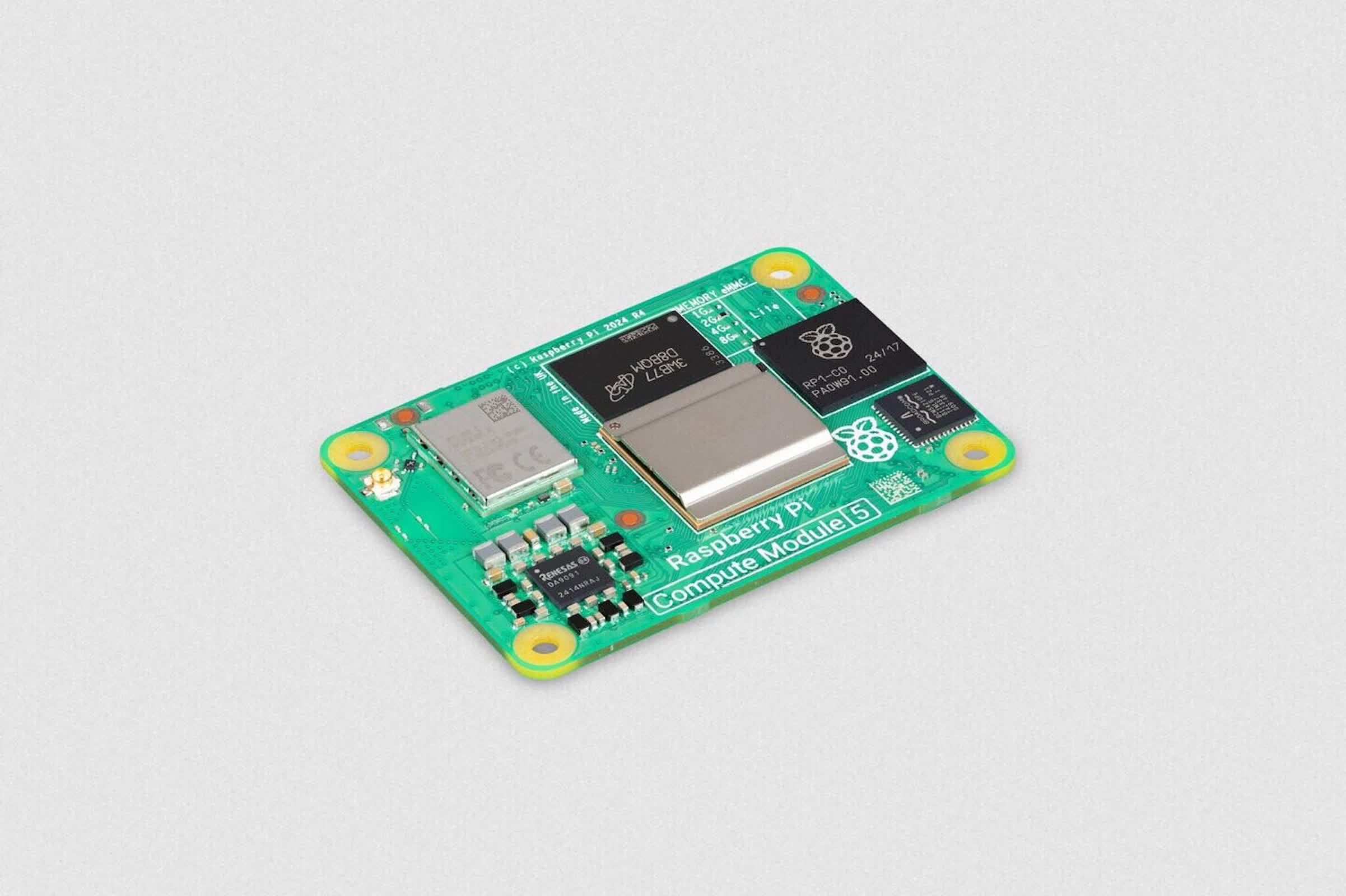
Winners & losers: Raspberry Pi has confirmed that its firmware prevents users from changing a board's factory RAM configuration, a restriction that blocks not only unofficial memory upgrades but also some attempts to replace failed RAM chips with equivalent parts. The company says the measure is meant to stop resellers from passing off untested, modified boards as factory configurations, but it also limits a capability long used by Raspberry Pi repair and maker communities.
The issue came up on the Raspberry Pi forums after a user replaced the RAM on a Compute Module 5 but couldn't get the board to recognize the new 4 GB chip. PhilE, a Raspberry Pi engineer and forum moderator, said the company has been "locking devices to their original RAM size" for some time.
The firmware does more than check capacity. It also stores other attributes linked to the original memory device, according to PhilE. That could prevent even a same-capacity replacement chip from working. For users trying to fix a failed RAM IC, the limit could make a board impossible to repair even when a compatible replacement part is available.
Raspberry Pi said the policy is meant to stop untested modified boards from entering the resale market. The company said some resellers could buy lower-memory products, install larger chips "of dubious origin," and sell them as factory 8 GB models.
"If labor is cheap enough then there may be a minor financial gain in buying a part with say a 2GB part, swapping it for an 8GB part of dubious origin, and reselling it as an 8GB device," PhilE wrote.
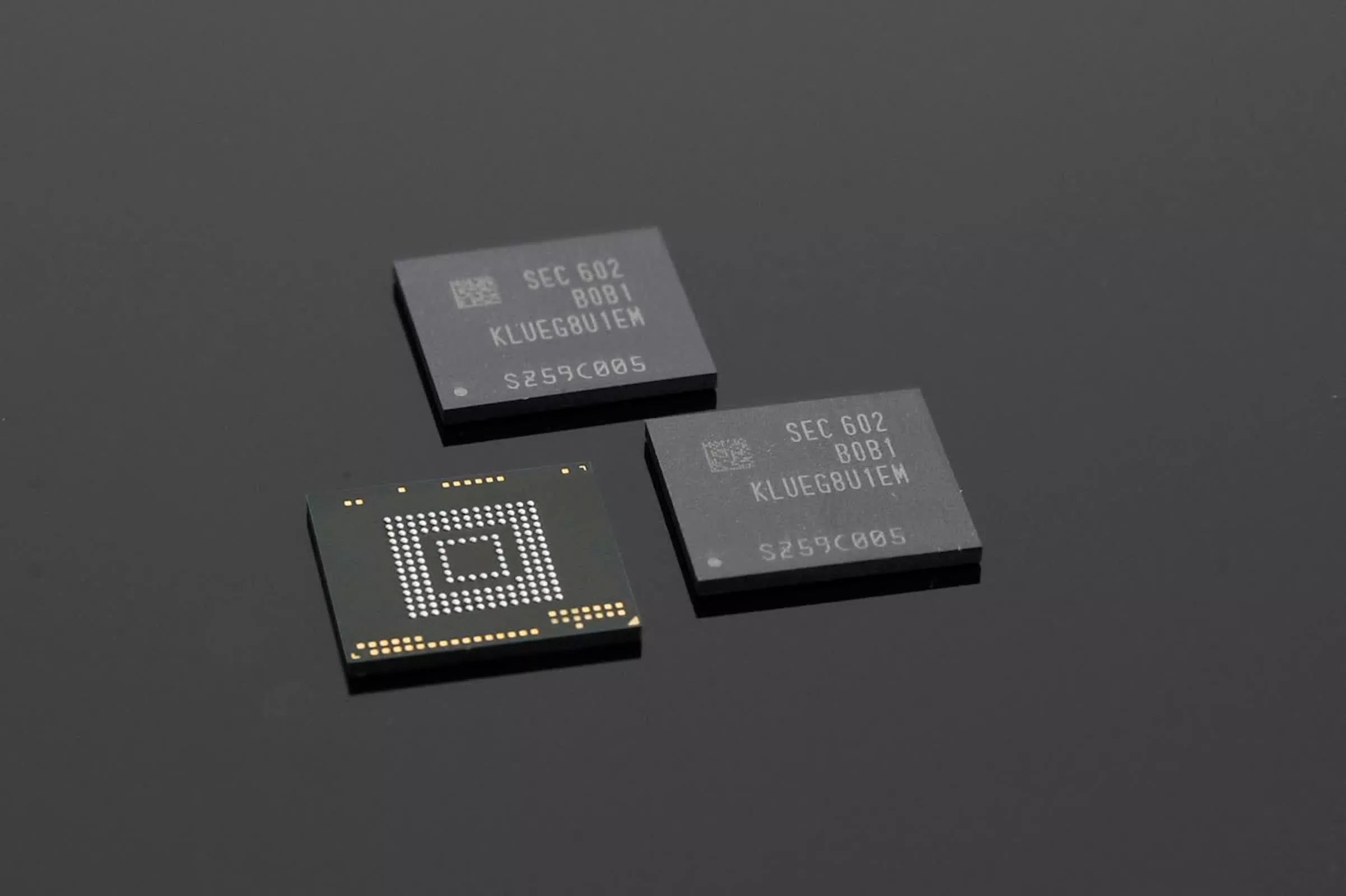
Those modified boards may have stability problems because Raspberry Pi did not test them in their altered configuration. Buyers could still contact Raspberry Pi for support, however, leaving the company responsible for problems caused by third-party modifications. Raspberry Pi's answer is to eliminate the upgrade option in the first place.
PhilE was direct about the result for users attempting a RAM swap: "don't waste your time trying - it won't work."
The restriction also applies to users who are not trying to create unofficial higher-spec models. Raspberry Pi boards have long been used in home labs, embedded products, edge deployments and custom hardware. A developer may find that an existing board no longer has enough memory for a new workload, while a repair technician may want to replace a failed chip without changing the device's specification. Under the firmware policy, neither use case is guaranteed to work.
The lock reportedly began rolling out in firmware updates in late 2024. It was therefore in place before the recent increase in RAM prices tied to demand from AI data centers. Raspberry Pi's explanation points instead to product validation, resale practices and support costs.
Raspberry Pi 4 and Raspberry Pi 5 users have demonstrated memory upgrades by removing and replacing BGA-mounted RAM packages. Such work requires specialized soldering equipment and carries obvious risks, but it showed that the hardware could support higher-capacity configurations.
Because of the current firmware, a user might still be able to complete the physical work, but the board could reject the altered memory configuration. Users may need to revert to an older firmware version to bypass the restriction, if one is available for that model.
The policy may frustrate Raspberry Pi's repair and maker communities, which have long treated the company's hardware as unusually open for low-cost computing platforms. Some supporters have suggested a warranty flag or one-time setting that would identify a modified board and remove Raspberry Pi support without blocking the modification itself.
Raspberry Pi has instead chosen to enforce the original RAM configuration in firmware. For most users, the change will have little effect. For repair shops, developers and hardware modders, it removes one more option.