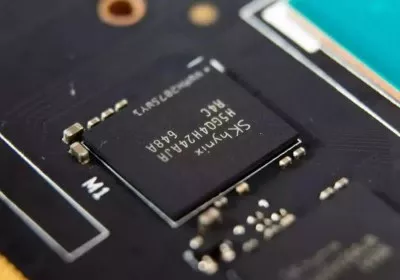
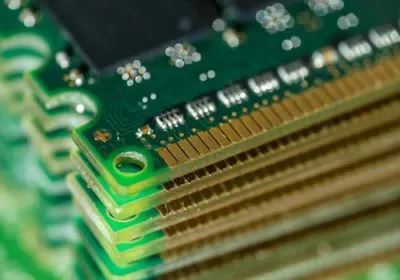
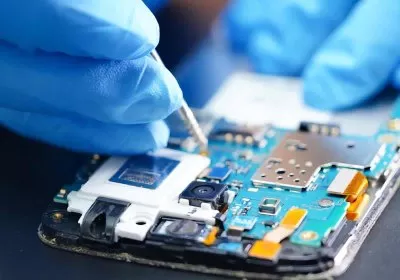
Reballed modules are expected to make up 4% of mobile RAM this year, and as much as 9% in 2027
TL;DR: Desperate times call for desperate measures, and the electronics industry has been there for a while now. After grappling with rising memory costs and inventory shortages, and eventually realizing that the situation may take years to resolve, some device makers are looking for alternative solutions that give old hardware components a new lease on life.
Macronix makes more money on flash memory for data centers
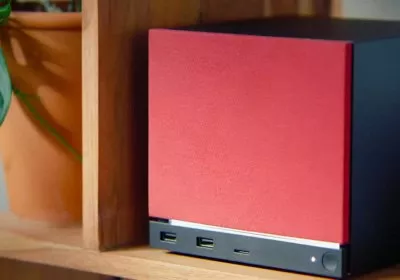
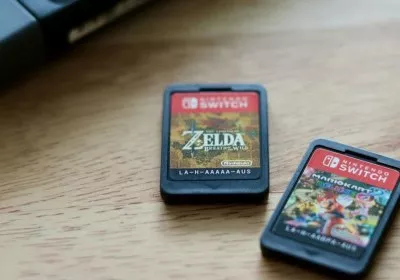
The big picture: Memory makers have spent most of this year steering their factories toward AI data centers, a shift that is reportedly impacting the chips inside Nintendo Switch game cartridges. Taiwanese chipmaker Macronix is one of the main suppliers of the ROM in those cards. It's now winding down that business to make more flash memory instead. That said, Nintendo likely won't run short of cartridges anytime soon.
RAM maker's profits are up 50%, but its CEO says the 'worst' is yet to come
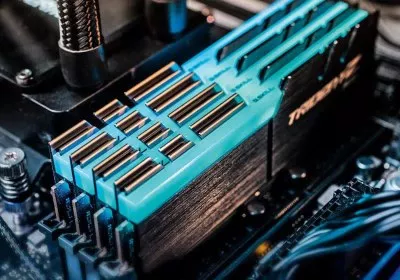
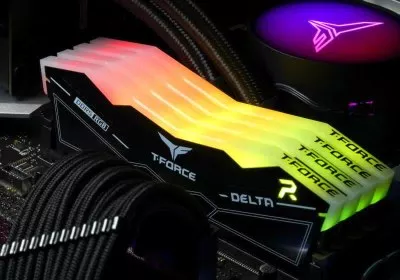
Facepalm: Major memory manufacturers have repeatedly warned shareholders that the memory industry faces many more years of chaos and high prices. Now even smaller players such as TeamGroup are sounding the same alarm, saying conditions will soon turn brutal for both pricing and availability.
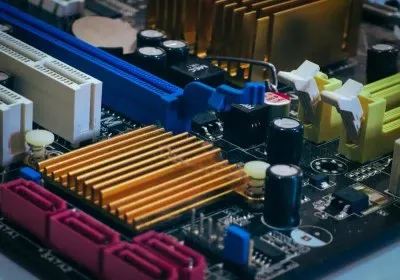
Ripple effect: PC makers have spent most of this year chasing memory and graphics chips as AI data centers bought up whatever they could. Now the circuit boards those chips sit on are reportedly running short, too. The same factories are busy with far pricier boards for AI servers, so PC orders are getting pushed to the back of the line.
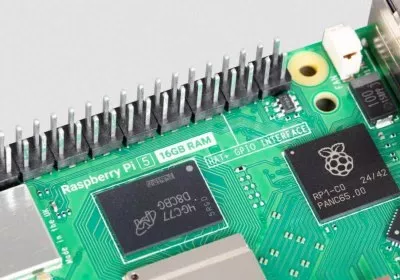
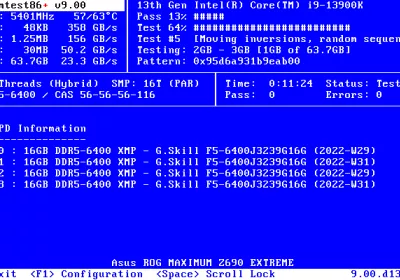
Memtest86+ 9.0 brings the popular open-source memory testing utility to ARM64 devices, including Snapdragon X laptops and Raspberry Pi boards. The update also introduces new RowHammer and memory bus stress tests.
32GB configurations jumped more than 4 points in a single month, reaching 42% of all Steam gaming rigs
What RAMpocalypse? Valve's monthly Hardware and Software Survey offers critical insight into the PC configurations of gamers worldwide. Recent surveys have shown AMD gaining ground on Intel in the CPU space, while Nvidia has kept its lead over AMD as the preferred GPU maker. The latest report now reveals that 32GB of system memory has become the most common configuration for gamers, despite the AI-fueled price hike.
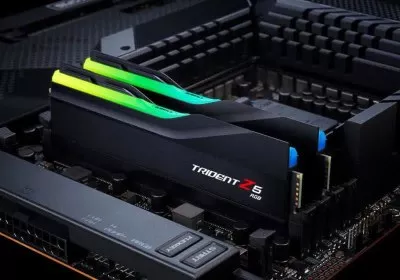
In a nutshell: There's been a depressing trend recently in which hardware companies refuse warranty claims for questionable reasons – or refund the customer's original purchase amount – as a result of their products' prices skyrocketing. But it seems not every firm is being greedy. One person has praised G.Skill for replacing a 64 GB DDR5 RAM kit bought from eBay for $150 with a brand-new kit worth $1,199.