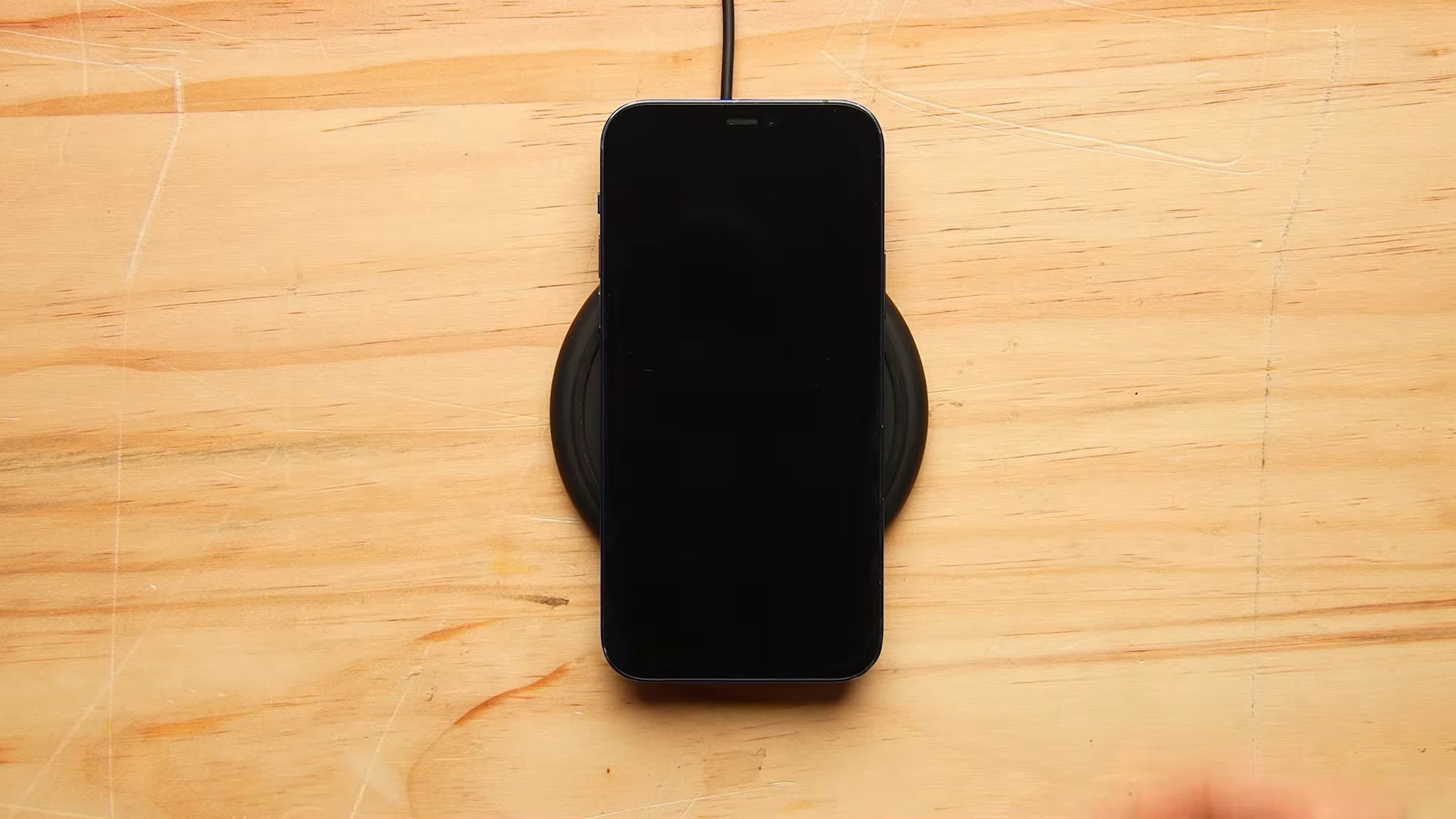
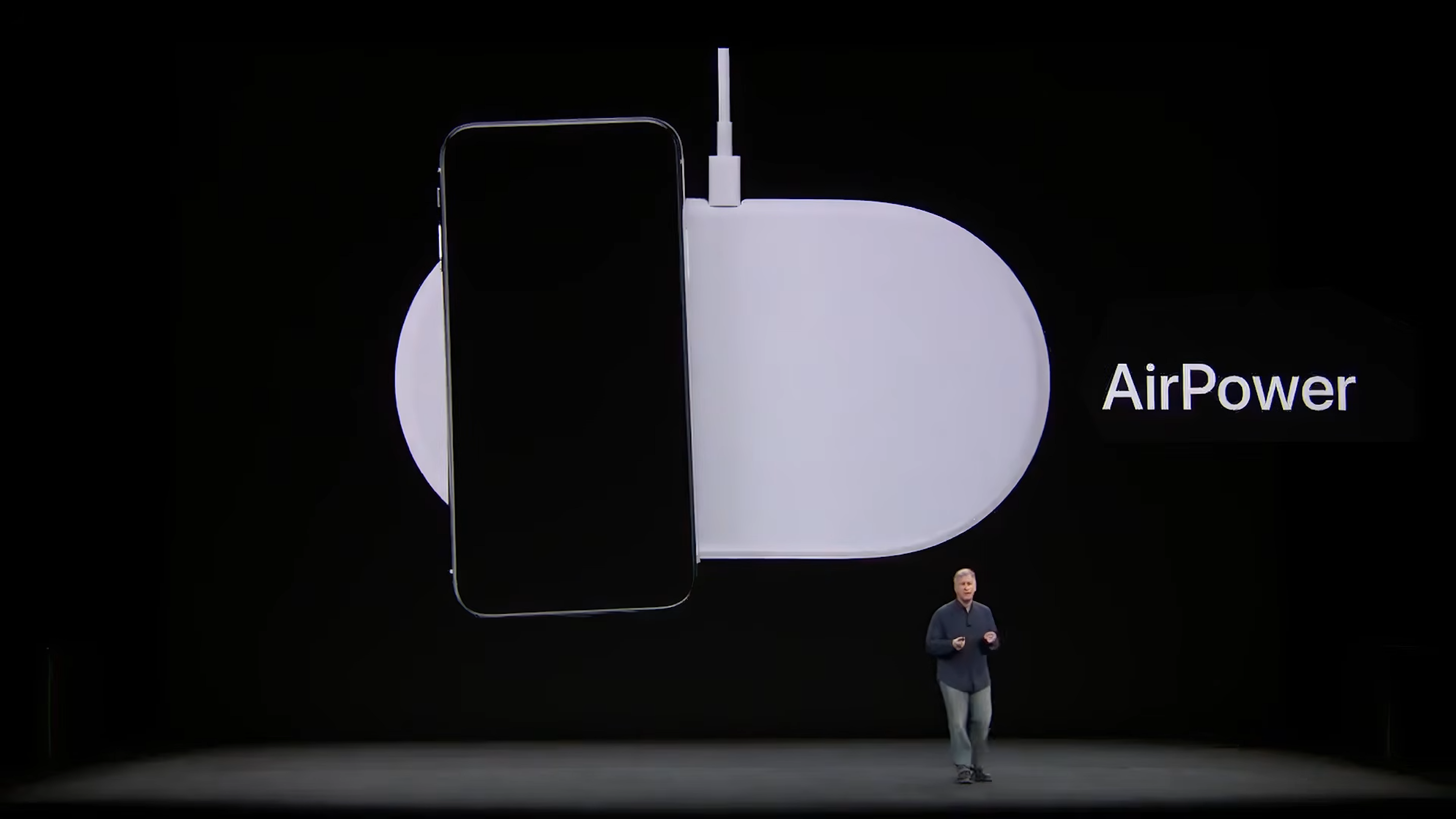
First look: HTX Studio has built a desk that can find a phone, move a wireless charging coil beneath it and begin charging without requiring the device to sit on a dedicated pad. The build was inspired by Apple's AirPower, the charging mat Apple showed in 2017 but later canceled. AirPower was meant to let users place compatible devices freely on a mat rather than lining them up over a specific charging spot. HTX Studio applied that idea to an entire desk surface.
HTX Studio spent about two months building the desk. The creator documented the project in a YouTube video that shows the build process and the system's various functions. The project combines camera-based device detection, motor control, wireless charging, a transparent display and desk automation in one system. Its main idea is simple: instead of placing a phone on a charging coil, the desk brings the coil to the phone.
A camera mounted above the desk identifies where the phone has been placed. That information is sent to a motorized system under the desktop, which moves a single charging coil into position.
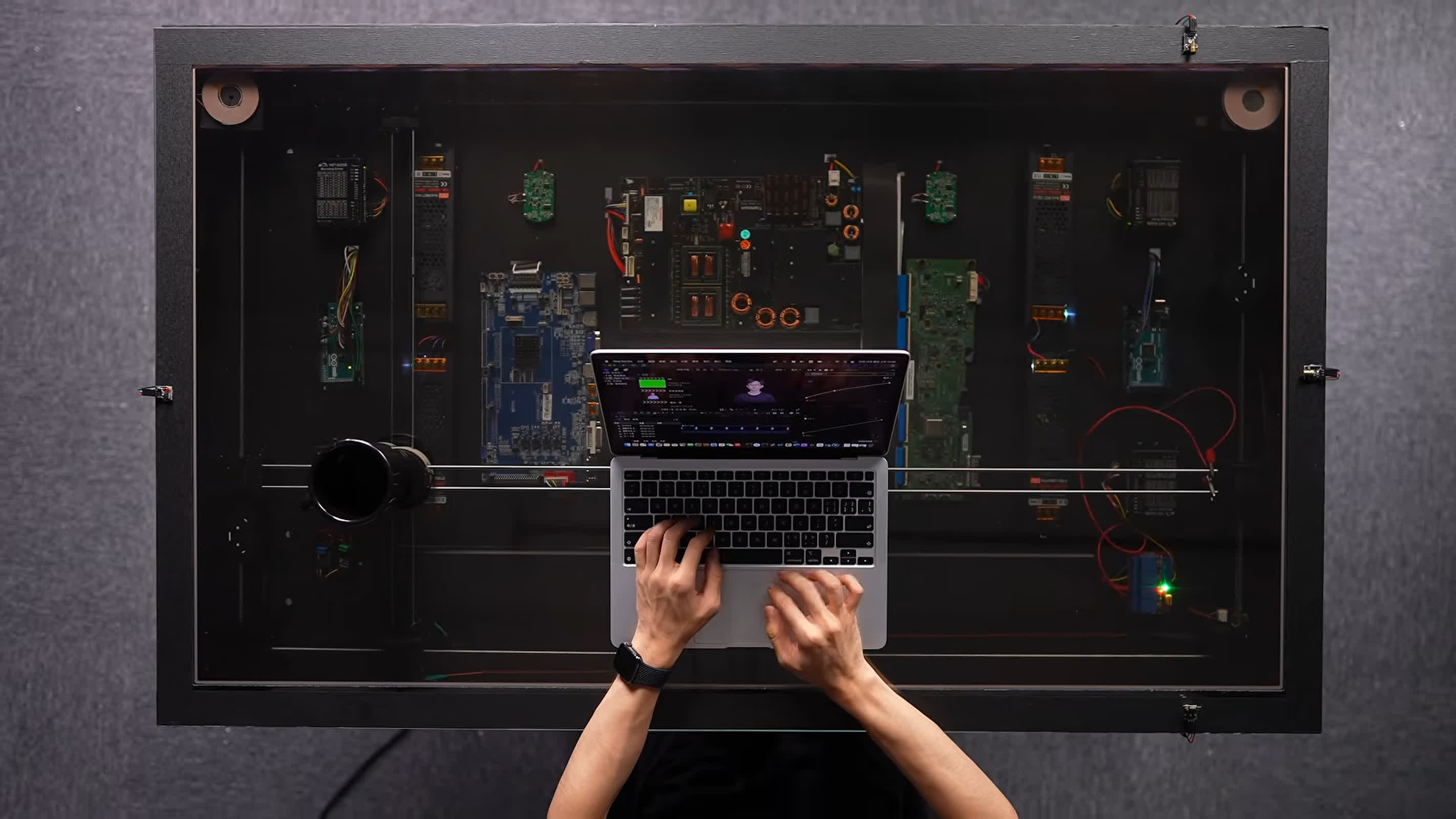
Installing fixed coils across the desktop was not practical; the creator estimated it would take about 600 coils to cover the surface. Instead, the desk uses one coil that travels beneath the top panel.
The first version showed the idea could work, but it had limitations. The motors were slow, cables could become tangled and the system did little other than charge a phone. The finished version adds a display, a computer, standing-desk controls and several automation features.
The desktop includes a transparent display that activates when you place a phone on it. An animated cat appears over the charging area and follows the coil as it moves below the device. The display can also show basic information and a task tracker.
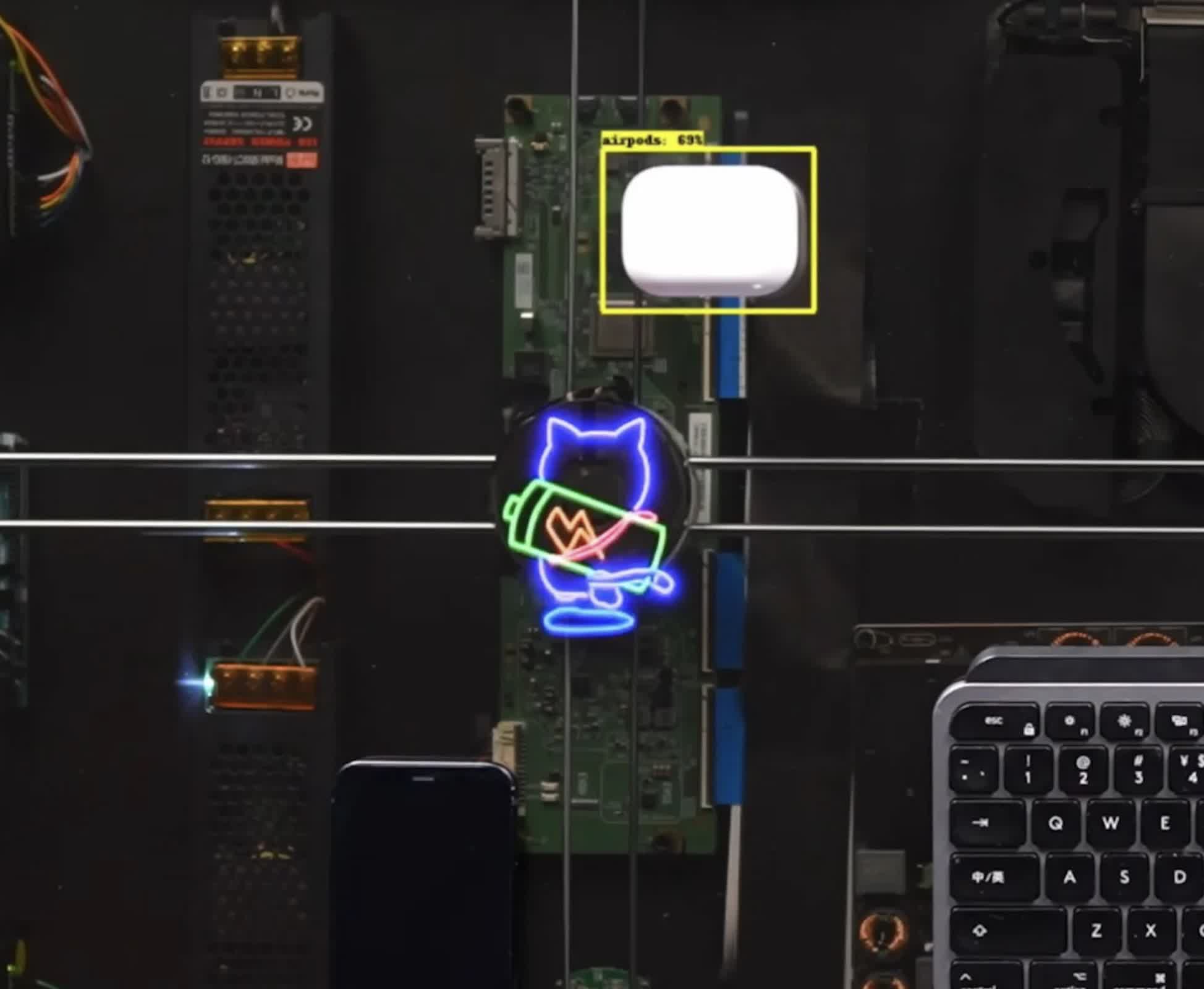
The desk cannot use its moving coil to charge several devices at once in different locations. But the coil can move from one detected device to another. HTX Studio added two fixed charging coils in the desk's corners for additional devices.
The same moving-coil system can charge a keyboard. When the coil returns to its home position, it aligns with a receiver coil inside the keyboard and begins charging it.
A Mac mini is built into the desk and can be connected to a monitor, turning the project into a working computer setup. The display surface shows charging effects and task information while the Mac mini handles the computer side of the workstation.
HTX Studio also linked the desk's motorized legs to the system. After detecting that the user has been seated for about an hour, the desk displays a reminder. An on-screen button can then raise it to a saved standing height.
The project includes a hydration reminder as well. An electromagnet on the moving assembly can pull a compatible cup across the desk toward the user. The movement is intended to prompt the user to drink water during the workday.
Focus Mode is designed to reduce phone use. Starting the mode displays a 25-minute timer beneath the phone. If the user picks up the phone before the timer ends, the desk will not charge it again when it is placed back on the surface.