
Microsoft No More: European countries are increasing efforts to build sovereign digital infrastructure to replace Microsoft and other US-based solutions. The Dutch government is even working on its own Linux distribution because The Hague is reportedly tired of Washington's threats against EU-based institutions.
The Dutch government is trying to solve its digital sovereignty problem with its own Linux operating system. A local source recently highlighted the development efforts being poured into NixOS, a Linux distro that originated as a package manager created by Dutch developers. The idea is that US-based software solutions, most notably Microsoft's, would eventually be replaced by this new OS and open-source productivity solutions.
Nix is a package manager with a few peculiar features, including cross-platform compatibility and its own functional programming language for configuring Unix and Unix-like systems. The tool was first released in 2003, and NixOS debuted three years later. The Linux distro is built around Nix and is currently supported by the Dutch nonprofit organization NixOS Foundation.
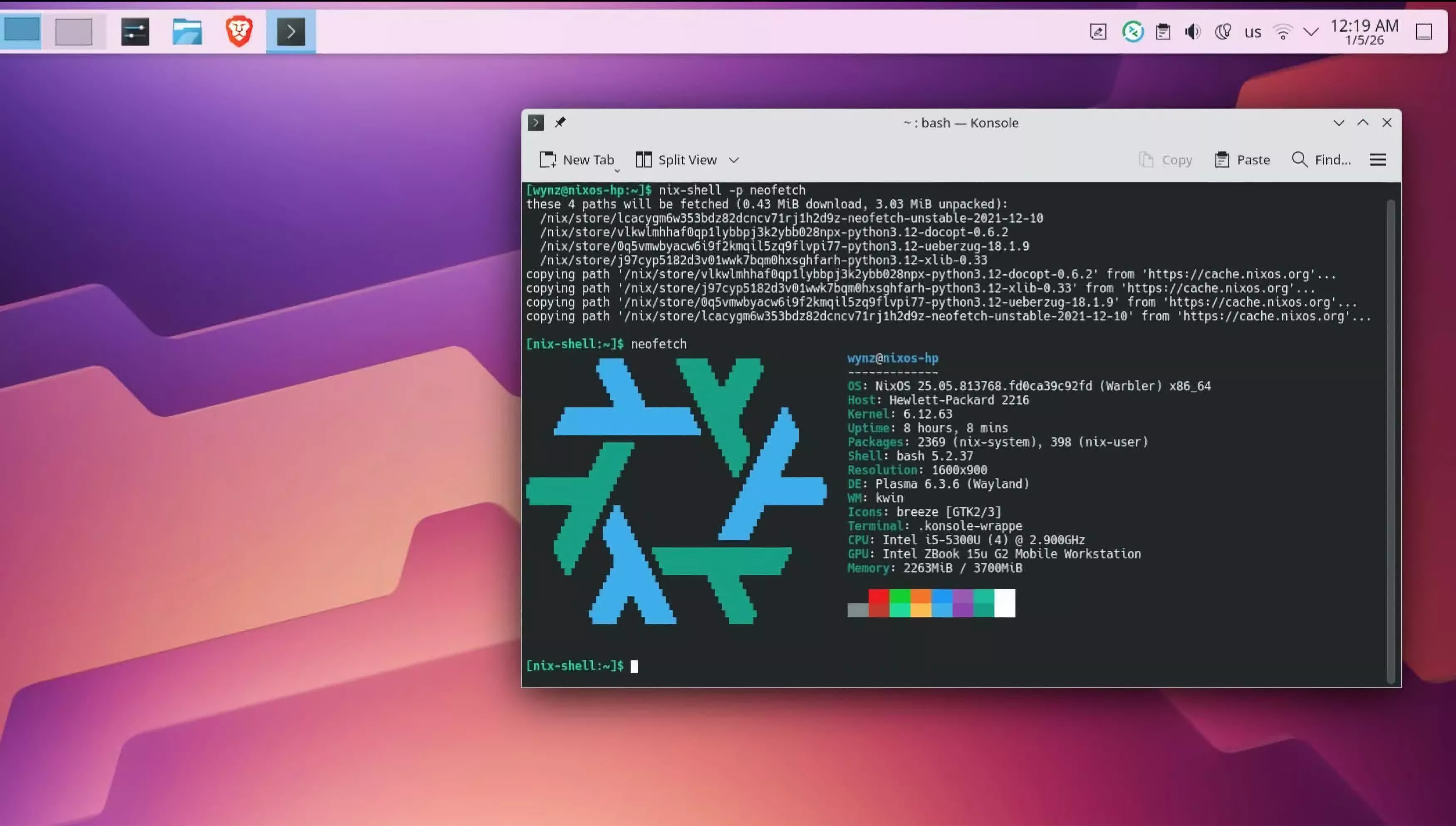
Nix and NixOS are the foundations of the Digitaal Autonome Werkomgeving Overheid (DAWO) project, which includes all the tools required to build a sovereign IT infrastructure. With DAWO, The Hague plans to provide government and public institutions with a custom operating system, productivity and office applications, cloud services, management tools, and everything in between.
Serious efforts to build the DAWO-based sovereign infrastructure apparently began a few months ago, when Dutch authorities decided to standardize the creation of a national IT ecosystem. The project is focused on accessibility, because NixOS developers are not exactly enthusiastic proponents of heavily GUI-based computer interfaces.
DAWO's first pilot programs have already been deployed in private and local environments, but the plan should eventually encompass all institutions in the Netherlands. Sovereignty efforts in the country apparently stalled for years, but the new US administration provided the right incentives to finally get the job done.
Washington authorities recently decided to target the Hague-based International Criminal Court (ICC) with sanctions, while Microsoft allegedly blocked the court's prosecutors from accessing its email and other crucial IT services. The ICC is already replacing Microsoft Office with an open-source alternative, as DAWO and NixOS are going to extend the sovereignty efforts even further.
Earlier this year, the Netherlands blocked an attempt by a US company to buy a crucial app used by Dutch citizens. Elsewhere in Europe, countries are investing millions in massive conversion projects based on the same concept: replacing Windows, Microsoft, and most US software services with Linux, open-source software, or other custom solutions.