What just happened? DeepSeek might be one of the most popular non-US AI companies right now, but it's being shown the door across US federal civilian agencies. Washington has ordered the removal of the Chinese firm's AI products from government IT systems and blocked future purchases, and the restrictions include third-party tools built using its technology. Beijing, unsurprisingly, isn't happy.
The Department of Homeland Security's notice was made public on October 19, ahead of today's Federal Register publication. The underlying order dates back to late July, according to AP, making this a public disclosure of an earlier decision rather than a ban signed this week.
The directive covers DeepSeek, its affiliates, and products and services developed using DeepSeek implementations. That last part means the directive is more than just blocking access to the company's chatbot. Agencies also have to consider what powers the software they buy.
DHS invoked the Federal Acquisition Supply Chain Security Act of 2018. Its stated concerns include DeepSeek's servers being located in China and the possibility that Chinese authorities could access sensitive US information. The order added that DeepSeek's AI models "present multiple threat vectors." It also warned of potential malware and other security flaws, pointing to publicly available research that found several critical vulnerabilities in DeepSeek's iOS app.
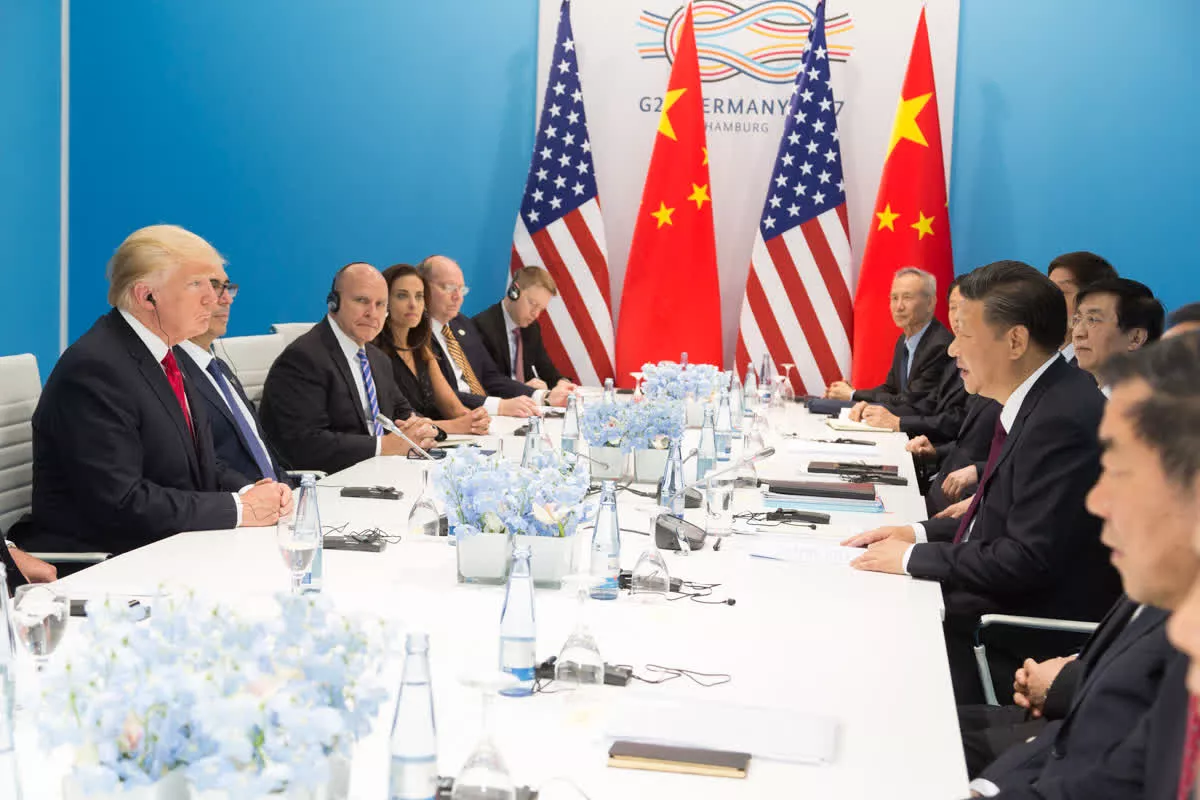
Chinese Foreign Ministry spokesperson Mao Ning hit back on Tuesday, accusing Washington of stretching national security arguments and politicizing technology and trade. Ning added that China will "will resolutely safeguard the legitimate rights and interests of Chinese companies." DeepSeek did not immediately respond to AP's request for comment.
Executive agencies have 60 days from the order's issuance to submit a written justification to DHS seeking an exception, including more time to comply.
This is familiar ground for the Chinese firm. In January 2025, the US Navy warned personnel against using DeepSeek. However, the military branch subsequently clarified that the message reflected existing restrictions on publicly accessible generative AI for official work, which also covered ChatGPT. It wasn't a newly invented policy aimed solely at one Chinese chatbot.
American AI companies have faced restrictions, too. The House of Representatives banned Copilot in April 2024 over concerns about congressional data reaching unapproved cloud services. That position changed in September 2025, when the House announced a Copilot rollout with additional legal and data protections. There's also the whole Anthropic saga.
While DeepSeek isn't facing a nationwide ban, the directive does affect companies selling AI software powered by its models to US federal civilian agencies.