
Ripple effect: PC makers have spent most of this year chasing memory and graphics chips as AI data centers bought up whatever they could. Now the circuit boards those chips sit on are reportedly running short, too. The same factories are busy with far pricier boards for AI servers, so PC orders are getting pushed to the back of the line.
While planning their 2027 lineups, executives at HP and Dell have started worrying about whether they'll get enough boards, Nikkei Asia reports. Even with PC shipments possibly sliding again next year, one manager at an American PC maker said the company still can't get enough of them.
The trouble is that a high-end AI server board can stack dozens of layers of low-loss laminate and specialty glass fabric. So each one ties up far more material and factory time than a desktop motherboard ever would. Cloud giants are happy to pay up for them – Amazon even bought a roughly NT$1.59 billion stake in Taiwanese board maker Gold Circuit Electronics in September.
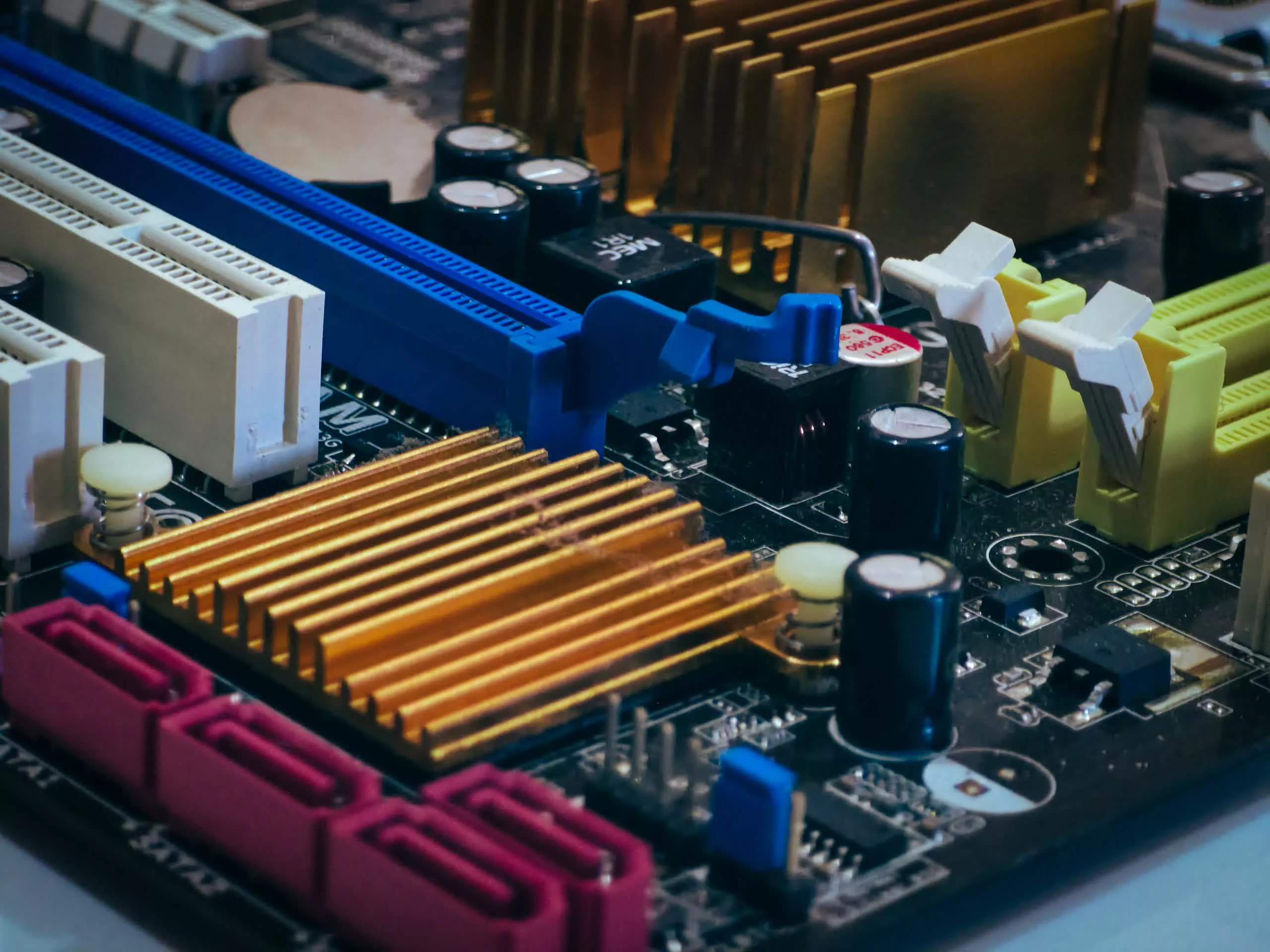
Every one of those boards starts as a sheet of copper-clad laminate. One Taiwanese PC maker told Nikkei that laminate now costs at least 12 times what it did in July. Meanwhile, one of the world's biggest laminate suppliers says its order book already stretches into 2030. That's despite plans to triple its capacity by 2028.
So board makers are quoting longer and longer waits. One told Nikkei that lead times on a good chunk of its products have doubled. Another said a fresh order placed today wouldn't arrive until late 2028.
New factories won't fix that overnight, either, because they're short on engineers. The scramble to hire has reportedly pushed pay across the PCB industry up by 20% to 30%.
Outside the PC world, Canon is already feeling it. The camera and medical equipment maker said this week that AI-driven shortages of boards and the parts mounted on them have held up production since August. Those shortages are one reason it now expects to lose about ¥90 billion in medical equipment sales this year.
PC buyers are still paying for the last few shortages. Memory and storage prices have climbed all year, so much that Gartner thinks sub-$500 PCs could disappear by 2028. Even an RTX 5080 now sells for close to $2,000 at US retailers. Acer's CEO still thinks PC prices could fall by 2027. But a board ordered today might not even ship by then.