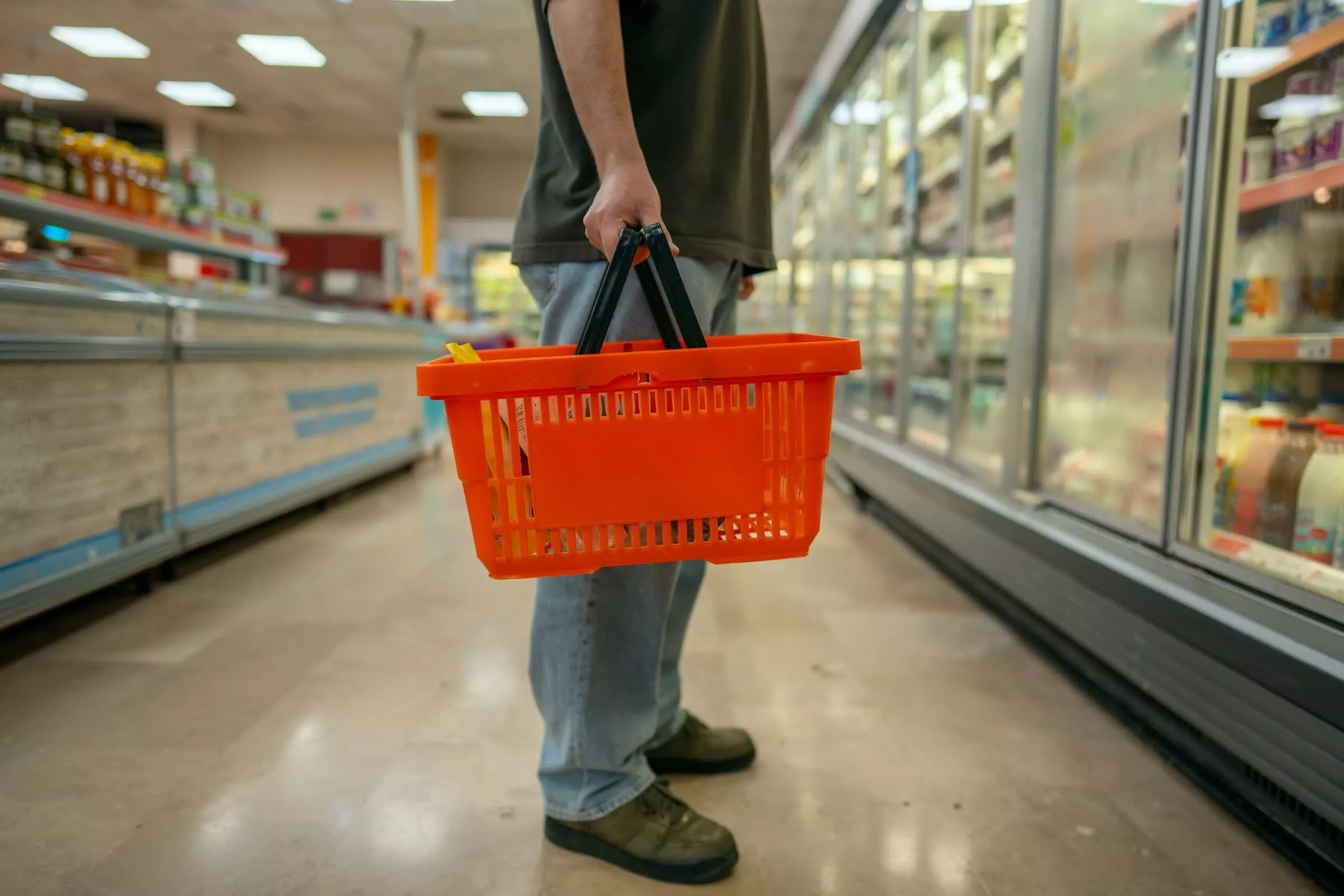
What just happened? France has accused Iran of being responsible for the recent cyberattacks that targeted its supermarket refrigerators. The incidents affected more than 700 stores in October, before other European countries were also hit. France says it will take action using "all available means of response."
On October 11 and 12, stores across France experienced cyberattacks that took control of their refrigeration controllers. The hackers remotely overrode the settings on freezers, fridges and chiller cabinets, in some cases raising temperatures to 50 degrees Celsius (122 degrees Fahrenheit), spoiling food and causing at least 15 fires. France put the cost of food losses alone in the tens of millions of euros.
At a press briefing following a G7 ministerial meeting in Paris, France's foreign minister Jean-Noël Barrot said, "Thanks to the remarkable efforts of government agencies, I am able to confirm that the Islamic Republic of Iran's Revolutionary Guards are responsible for this attack."
France identified the group behind the attacks as Shahid Kaveh, an offensive cyber unit affiliated with the Revolutionary Guards. It operates through several online personas, including CyberAv3ngers, a name previously linked to attacks on US water facilities.
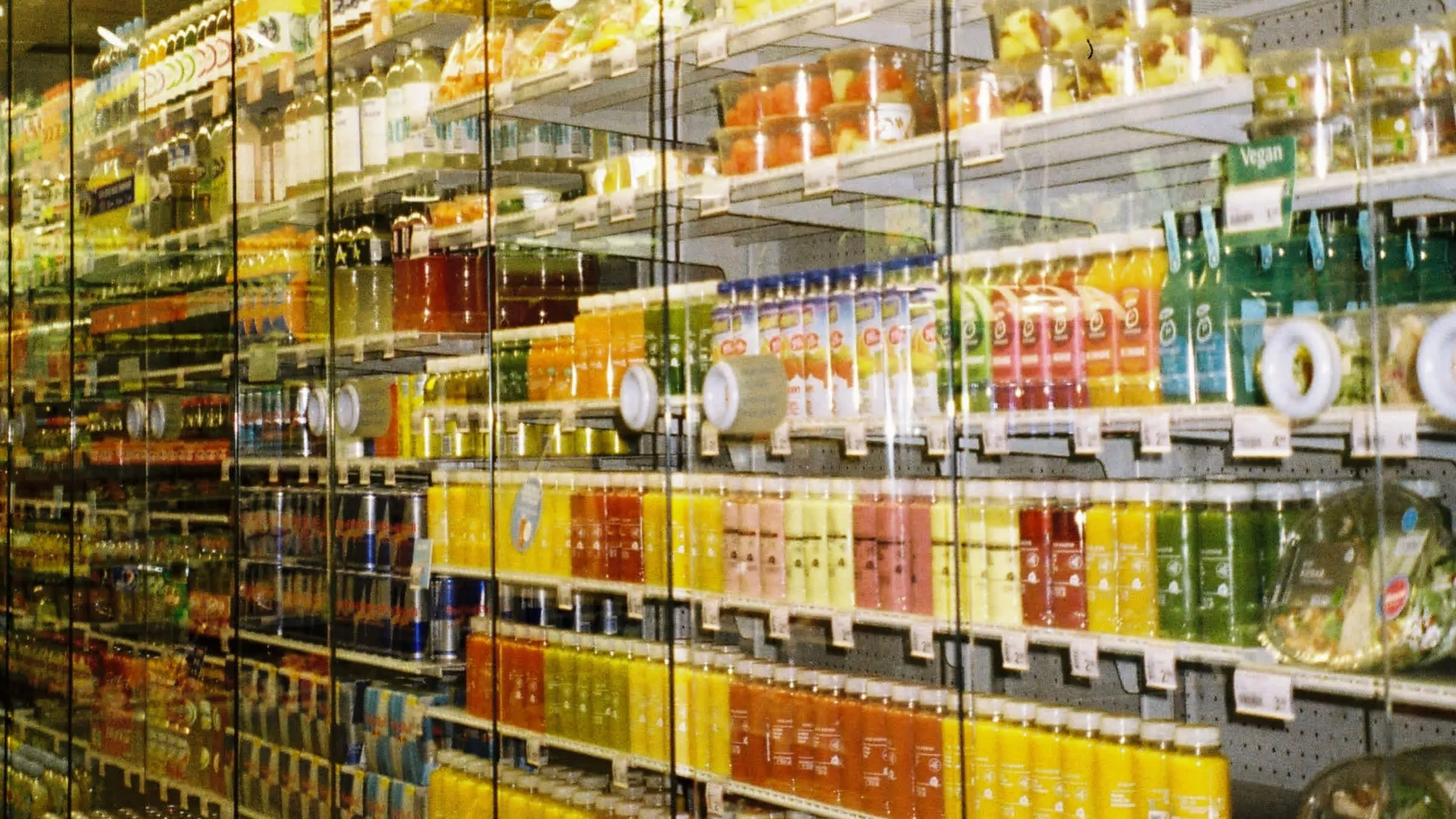
According to a joint report from France's cyber crisis coordination body, C4, infrastructure used in the supermarket attacks was also probing Schneider Electric equipment at energy and water facilities. That reconnaissance used the Modbus industrial communications protocol over port 502, matching techniques associated with Shahid Kaveh since at least April 2026.
Investigators also identified use of FOFA, an internet-connected device search and scanning tool regularly used by the unit. They found traces of Farsi in the attack infrastructure, while CyberbanNews, an outlet French authorities link to the group, publicized the attacks as early as October 13.
Earlier this month, similar attacks subsequently hit stores in at least seven European countries. One Belgian Delhaize store estimated its losses at €100,000 ($112,196).
The disruption also reached France's national blood service through a refrigeration supplier. Fortunately, alarms alerted staff, who moved the stock before any biological materials were lost.
French prosecutors have opened a judicial investigation and requested international arrest warrants against members of Shahid Kaveh, meaning there will be a criminal case in addition to the diplomatic and potential cyber response.
France summoned Iran's ambassador on November 10 and is pushing for EU sanctions. Barrot has also left open the possibility of further measures that would remain undisclosed.
France's attribution points to Iran, despite earlier reports that Russia-aligned hacking groups had claimed responsibility for refrigeration attacks in Europe.