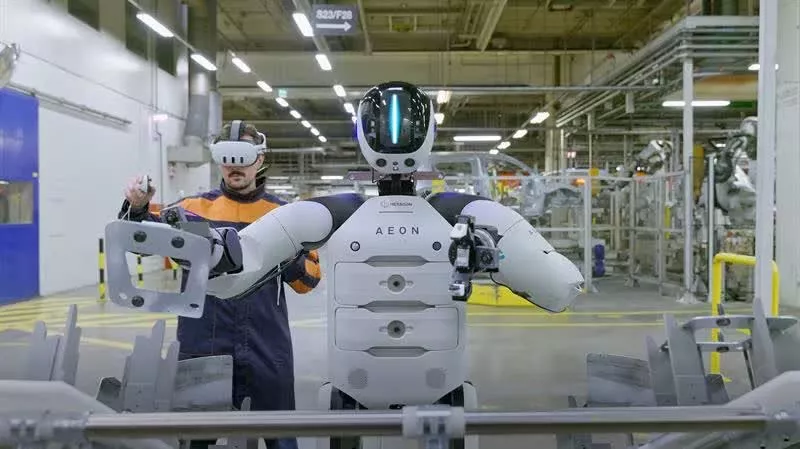
In a nutshell: More humanoid robots are making their way into automakers' factories. The latest to join the trend is Volvo, which is training humanoid robots at its manufacturing plant in Ghent, Belgium. As is always the case when machines enter the workplace, Volvo claims the idea is for the robots to take on some of the more repetitive and physically demanding jobs, but there's always the specter of replacement in instances like these.
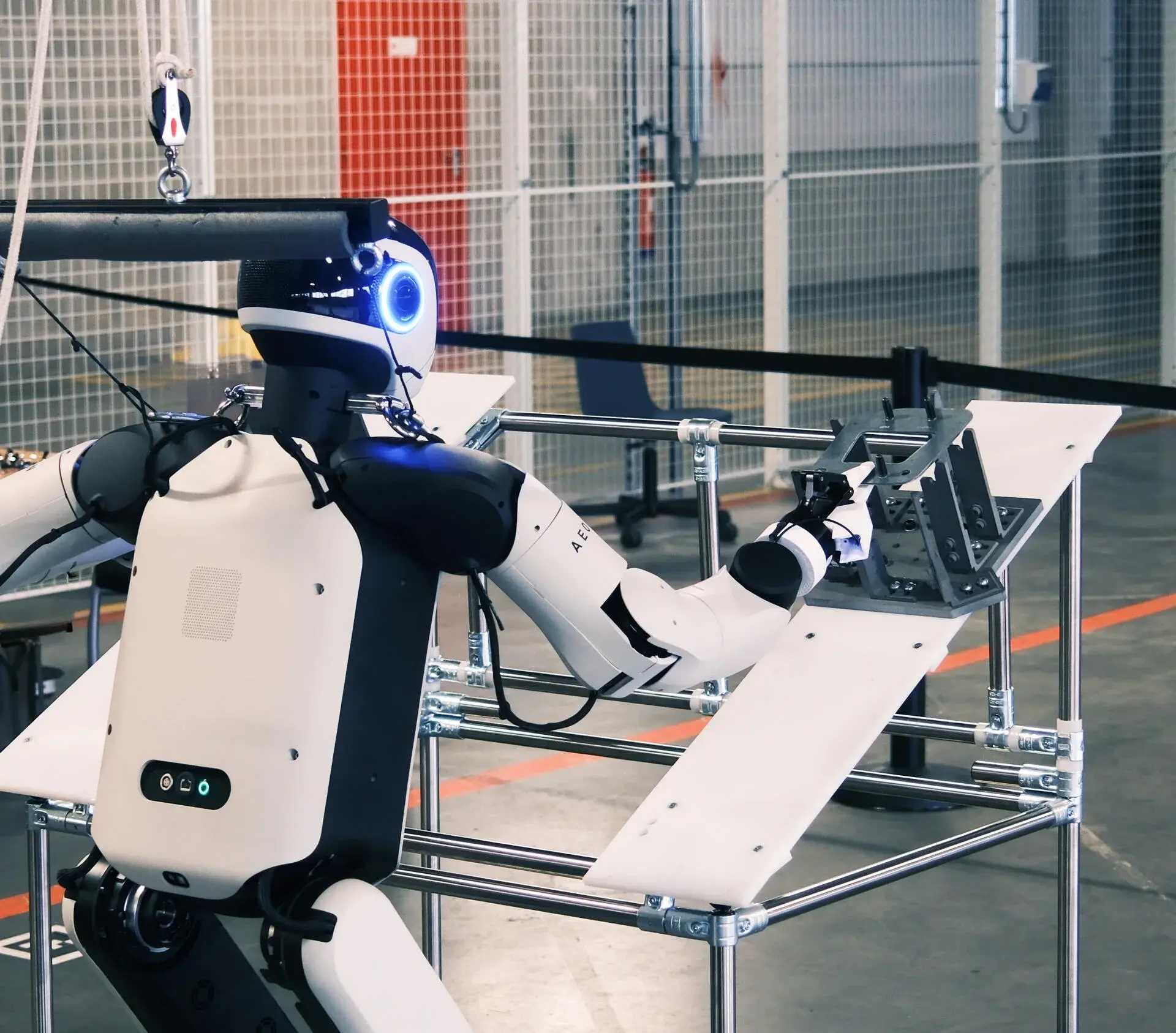
Ghent is the first Volvo plant to try the AEON humanoids, built by Swedish technology group Hexagon. Volvo employees show the robots how to place components precisely into two fixtures, and the machines learn by copying them. Once they can do that reliably, the team will teach them to handle several parts, move around the production area, and work with the plant's automated equipment.
AEON stands about 5 feet 5 inches tall, weighs 132 pounds, and can carry 22 pounds. One decidedly unhuman feature is the set of wheels that can propel it across the factory floor at just over 5 mph. The appeal for Volvo is that AEON can move between workstations designed for people, something a robotic arm bolted to the floor would struggle to do, obviously.
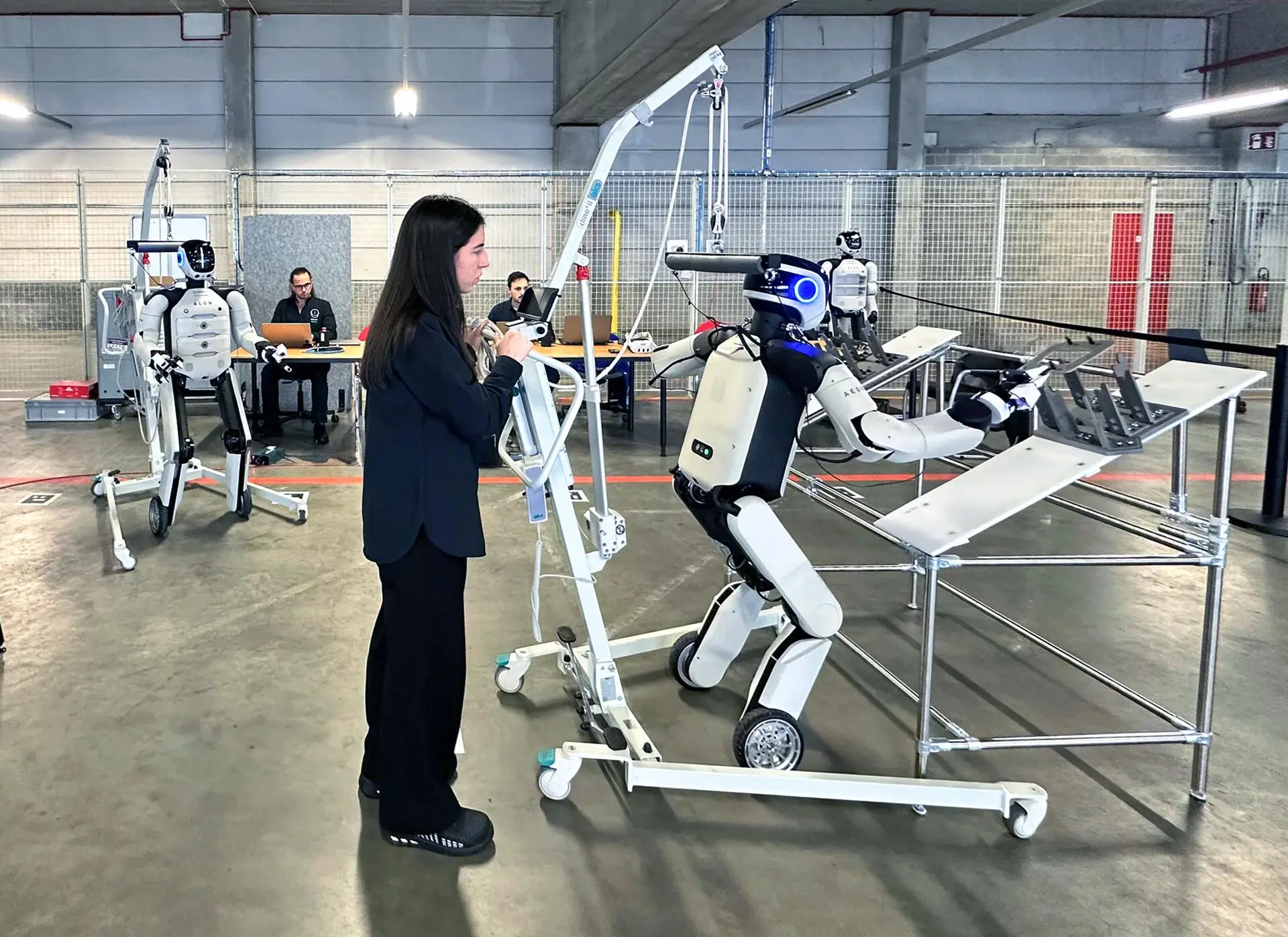
More robots are due in Ghent for a larger pilot in the first half of 2027. Volvo wants them working on the production line by the middle of the year, though it hasn't said how many will join the workforce or what that might mean for the people currently doing those jobs.
In October, Volvo announced plans to cut 2,500 jobs worldwide, including 2,000 in Sweden. The company hasn't linked those cuts to the robot program, but Ghent workers were already waiting to hear what the cost-cutting drive would mean for their plant.
Hyundai's workers have been vocal on the subject of robot replacements. The automaker plans to put Boston Dynamics' Atlas to work at its Georgia factory in 2028, the same year it wants the capacity to build 30,000 robots annually. Hyundai has even floated the idea of selling robots through its dealerships and offering financing to buyers.
Back in January, Hyundai's South Korean union warned of a "huge employment shock" and insisted management would need its agreement before a single robot could be deployed at its worksites. In Ghent, meanwhile, workers are teaching the machines how to do the very jobs they could one day lose to them.