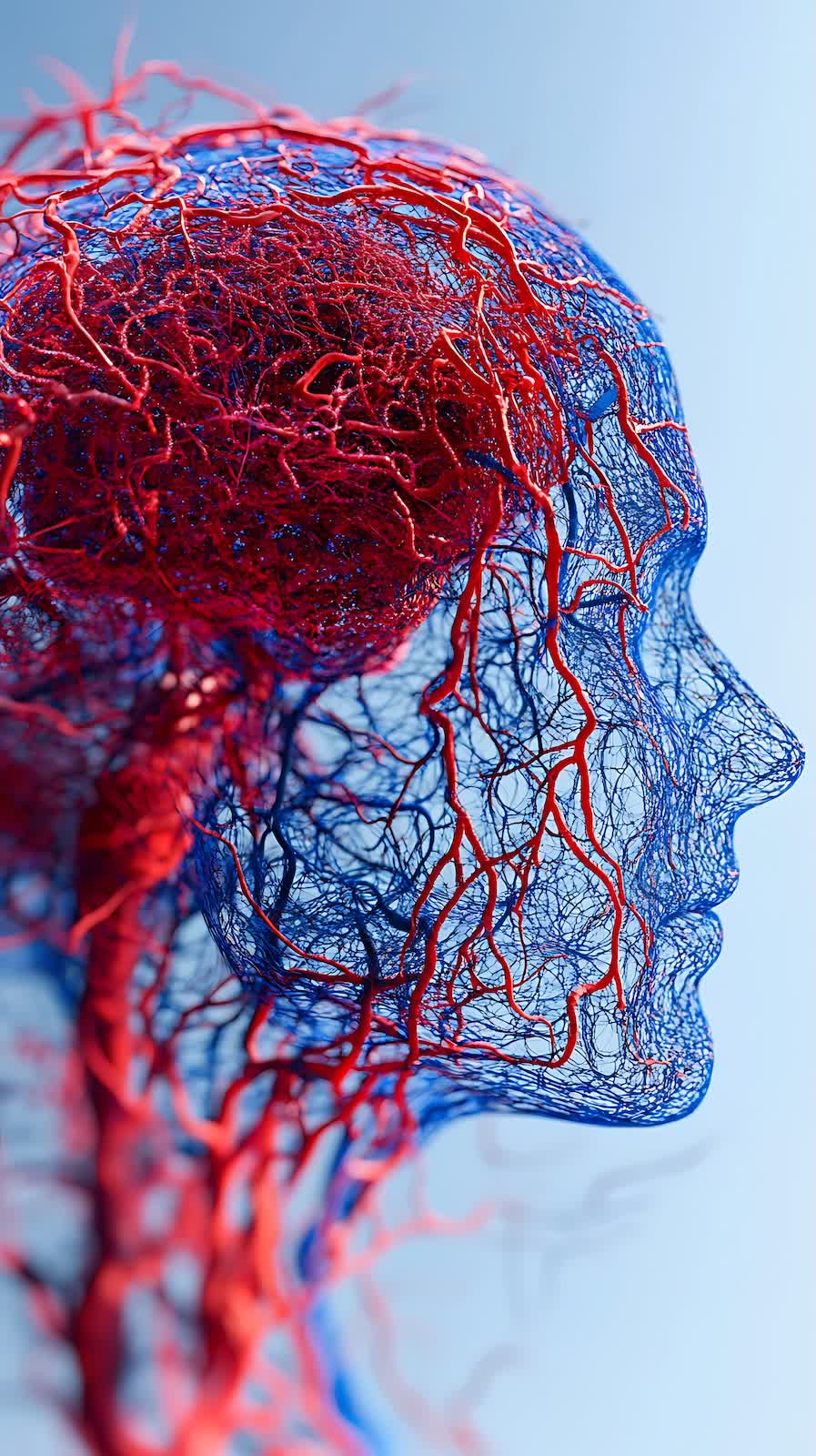
First look: Researchers at Caltech have built a nanorobot small enough to travel through the bloodstream and carry medicine into the brain. The device, called a BrainBot, crosses the blood-brain barrier, the layer of cells that shields the organ from germs but can also keep out the drugs meant to treat it. In mice with a type of brain cancer, light-activated bots delivered about five times more medication into the brain than the same bots without light activation.
The barrier does its job almost too well. It keeps pathogens, toxins and other threats out of the brain, but it can also stop medicines from reaching the organ. That leaves doctors with drugs that might work against a disease but cannot get to it.
Wei Gao, a professor of medical engineering at Caltech, ranks that gap among the biggest challenges in treating brain diseases. The same obstacle shapes cancer care. Karen Noble, director of research and policy at the charity Brain Tumour Research, told The Independent that the barrier "prevents many potentially effective drugs from reaching brain tumours and finding ways to overcome this could transform treatment and improve outcomes."
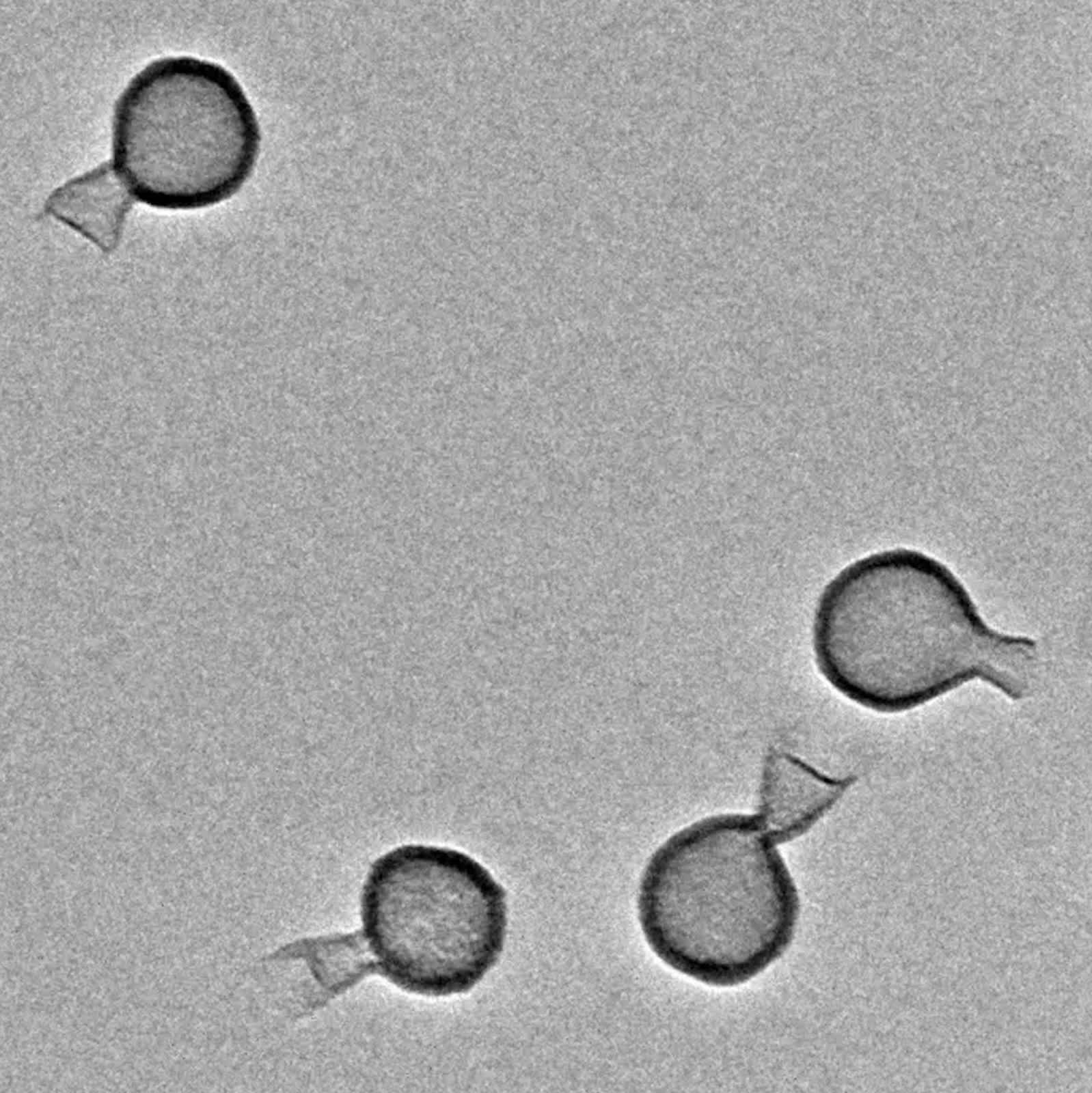
The Caltech team describes its solution in the journal Science Robotics. Each BrainBot is a balloon-like structure that is injected into the bloodstream. The bots are made of biocompatible and biodegradable materials and measure 250 nanometers, hundreds of times smaller than the width of a human hair.
Getting something that small to the right place is the core engineering problem, and the design relies on two mechanisms working together. The first is biological. The bots carry aptamers, specialized DNA molecules that recognize and bind to the cells lining the barrier.
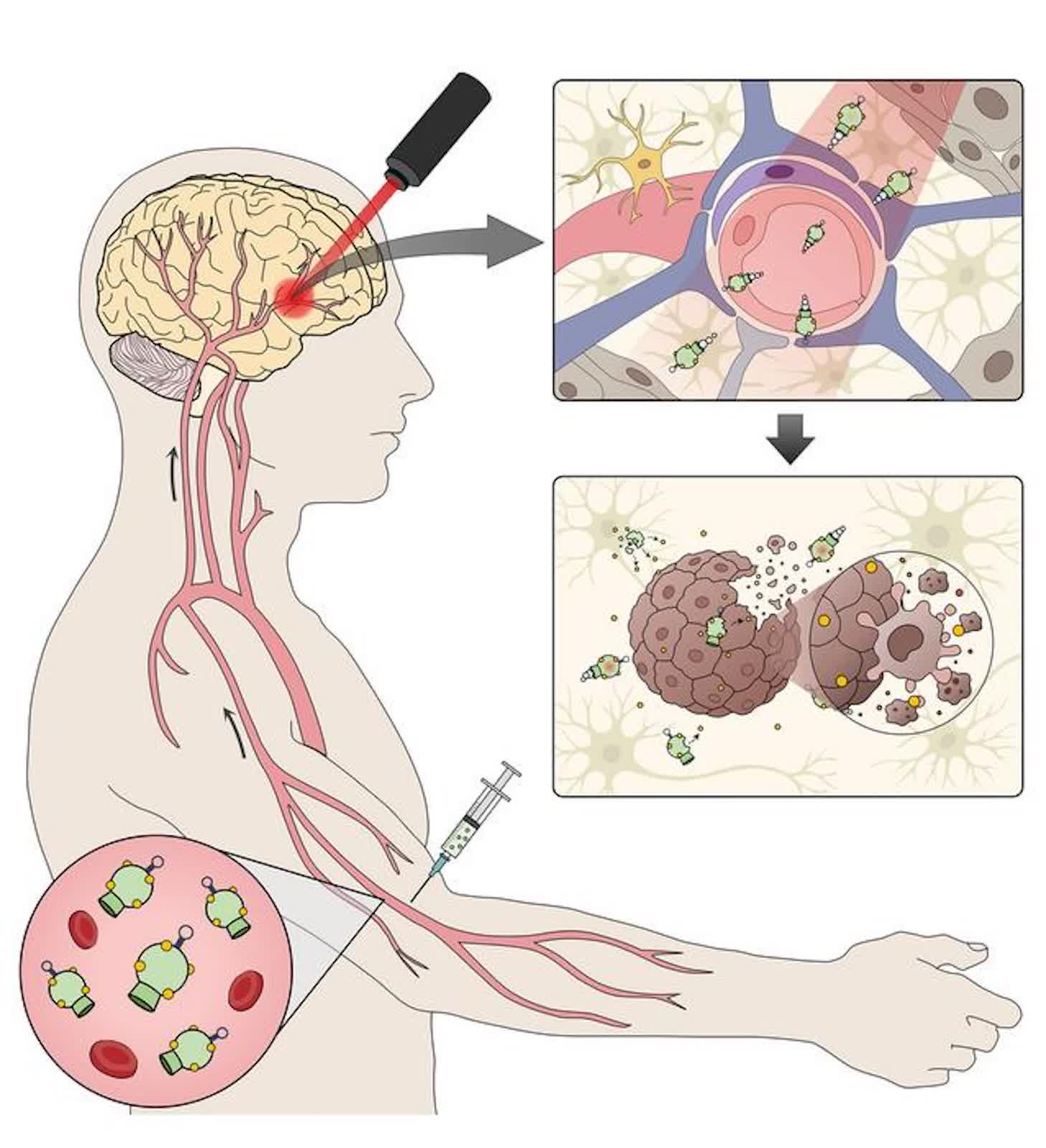
The second is physical. Near-infrared light is directed through the skull at the brain, heating the bots and triggering a burst of "light-activated propulsion" that pushes them toward the barrier. Once the bots bind to the cells lining it, those cells ferry the BrainBots into the brain, where they release their payload. The authors describe the system as "designed to actively traverse the BBB through on-demand propulsion coupled with biological targeting."
Gao said the researchers did not know how well this would work. "Because the BrainBots are so small and the blood circulation is so fast, we initially were not sure how much a method based on nanoscale propulsion would increase the passage of drugs through the BBB; we are thrilled to see it worked so well."
For the first test, the team chose glioblastoma, an aggressive form of brain cancer. They loaded the bots with a type of chemotherapy and injected them into mice that had the disease. The authors report "enhanced brain delivery" of the drug, which in turn suppressed tumor growth. They also say the approach can "markedly reduce systemic toxicity" linked to chemotherapy, compared with usual chemotherapy administration.
So far, the results come only from mice. The researchers hope to move to human trials in the future, though they have given no timeline. First, they say, they need to optimize the near-infrared light delivery and evaluate the bots' long-term safety, stability and degradation in the body.
Gao framed the brain tumor work as a starting point. "Our new nanorobot is not limited to brain delivery, but we are trying to address one of the biggest problems in medicine – crossing the blood – brain barrier – as a starting point." He added: "We targeted cancer, but there are a lot of neurological diseases, such as Parkinson's, for example, that we hope could benefit from this technology."