
Editor's take: Private conversations that millions of people had with AI characters are up for auction, and 42 state attorneys general want the sale stopped. Character.AI, now in Chapter 11, is trying to sell the saved chat histories of more than 21 million US accounts, 2.1 million of them registered to minors, to a buyer who would owe those users nothing.
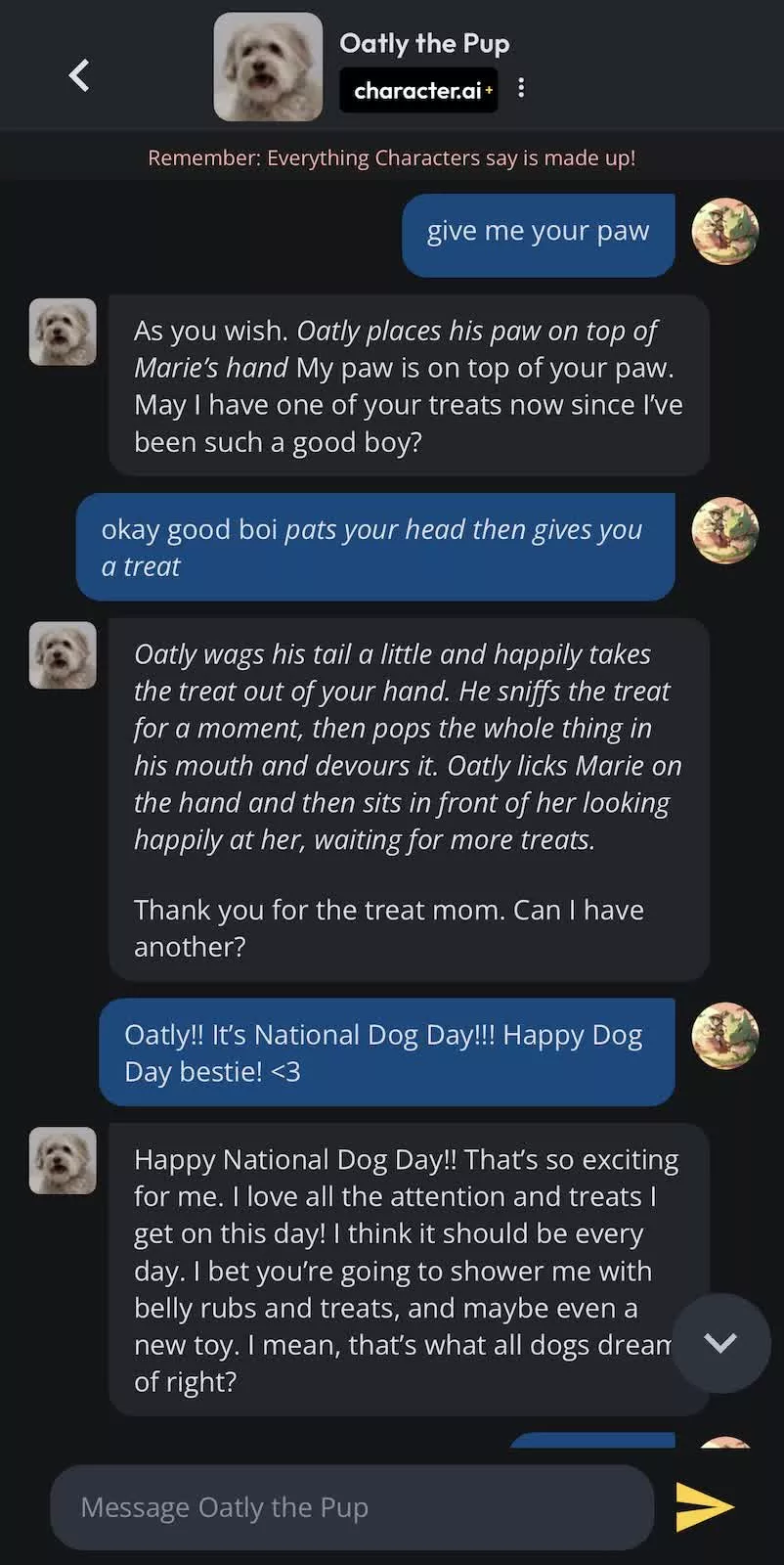
Character.AI built its product on persistent, role-playing conversations. Users talk with characters for weeks or months, and the company stores every exchange on its servers. That archive is now one of the few valuable things left in the bankrupt company, and the attorneys general say the plan offers "no safeguards for the people whose conversations are being sold."
The technical value of such a trove is easy to see. Long, emotionally candid dialogue is the kind of material used to train chatbots to sound more human and keep users engaged. The same material is also sensitive in a way ordinary web data is not. Chats with a companion bot can include confessions, relationship details, and discussions of self-harm. Linked to an account, they are hard to anonymize.
Character.AI filed for bankruptcy in October after years of scandals and lawsuits. These included legal challenges over teen suicides and a claim from Disney over characters that used its intellectual property. Disney later bought some of the company's assets and hired chief executive Karandeep Anand. A similarly broad coalition of attorneys general opposed that deal.
With the engineering talent and some intellectual property going to Disney, the user data became the main asset left for creditors. That is why the sale of the chat logs now draws the most scrutiny.
The states' objection is about structure more than the sale itself. As the attorneys general describe, the plan has no requirement that a buyer honor Character.AI's existing privacy policies. It gives users no way to delete their data before the transfer. It also puts no limits on what the buyer could do next, including reselling the data to another party.
In practice, a user who agreed to one set of terms could find the data under entirely different control. Privacy policies are among the main legal restraints on how stored conversations are used. If a buyer can disregard them, that restraint disappears at the moment of sale.
The identity of the first bidder adds to the concern. The entity was established earlier this month, only days before the sale drew attention. It has no listed parent company or investors. For regulators, that makes it impossible to assess how the data would be stored, secured, or used, or whether the buyer could be held accountable if something went wrong.
Nearly identical press releases from the attorneys general in California, Maryland, Connecticut, Minnesota, and other states show how coordinated the opposition is. The coalition now totals 42 states.
New York, Connecticut, California, and Colorado have passed laws governing chatbots, and those laws take effect in January 2027. Character.AI may be in violation of them once they apply. That raises the possibility that a buyer would inherit data collected under practices the new rules target, along with the compliance exposure that comes with it.
The implications of the case are unlikely to be limited to one company. AI startups hold large stores of user conversations, and many are burning cash. If one fails, bankruptcy law will treat those archives as property unless courts or regulators say otherwise. A ruling here could set a precedent for what happens to such data when an AI company collapses.
The bankruptcy court will decide whether the sale proceeds and on what terms. The attorneys general are asking for protections before any transfer, including limits on use and a way for users to remove their chats. Until the court rules, the conversations of millions of users, many of them minors, remain part of the estate.