Now let's learn something
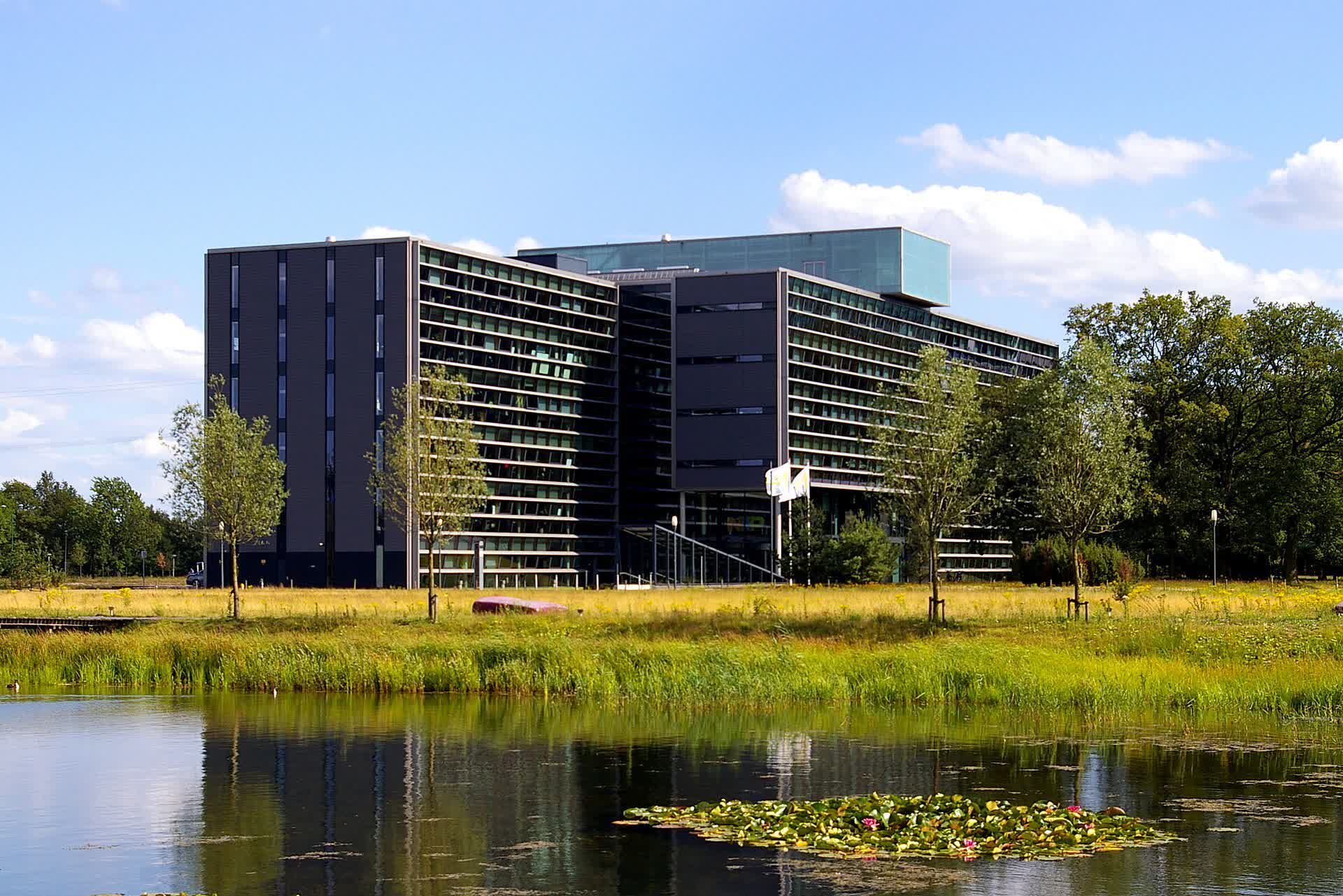
Philips: the company that built modern chipmaking, then walked away from it
Few companies have given away more future value than Royal Philips. The Dutch electronics giant didn't just invest in the semiconductor industry, but it founded large chunks of it before methodically selling every piece.
ASML started life in 1984 as a scrappy joint venture between Philips and ASM International, working out of a leaky shed near Philips' Eindhoven offices before it produced its first stepper machine that same year.
Philips held roughly 24% of the company through the late 1990s, agreeing contractually not to sell before March 2000. Right on schedule, it slashed that stake to 7.2% via a public offering that June, and was fully out within a couple of years. ASML is now Europe's most valuable listed company, worth north of $650 billion.
Philips was also TSMC's largest shareholder for years, peaking around 27-28% ownership through the late 1990s – the two companies were close enough that they co-built a Singapore chip fab together (Systems on Silicon Manufacturing, alongside Singapore's EDB).
Philips' TSMC stake was fully liquidated by the late 2000s. TSMC's market cap today sits close to $2 trillion.
Then there's NXP: unlike ASML and TSMC, this one Philips actually owned outright, as its in-house semiconductor division. In 2006, Philips sold it to a private-equity consortium comprised of KKR, Bain Capital, Silver Lake, Apax Partners, and AlpInvest, in one of the largest corporate carve-outs of the era. NXP went public on Nasdaq in 2010.
Add it up: had Philips simply held onto its ASML and TSMC stakes instead of cashing out in the 2000s, those two positions alone would be worth something like $700 billion combined (as of 2026), nearly 30 times the size of the entire Philips market cap.
If you were wondering:
- Siemens spun off its own chip arm, Infineon, in 1999. It was a similar "conglomerate sheds its semiconductor business" story, but Siemens never held stakes in ASML, TSMC, or NXP.
- Motorola is the sneakiest wrong answer in our trivia: its semiconductor division became Freescale, which merged into NXP in 2015, giving it a real (if roundabout) NXP connection, but Motorola never touched TSMC or ASML.
- General Electric has divested constantly across its history, but chipmaking has never been part of its core portfolio.