12 states sue to block Paramount's $110 billion Warner Bros. deal, warning of a "media behemoth"

midian182

Posts: 11,734   +177
Staff member
What just happened? Paramount Skydance's $110 billion acquisition of Warner Bros. Discovery has run into its biggest obstacle yet. California and 11 other states have filed an antitrust lawsuit seeking to block the mega-merger, claiming it would create a media giant with the power to raise prices, cut jobs, and reduce choice for moviegoers and TV viewers alike.
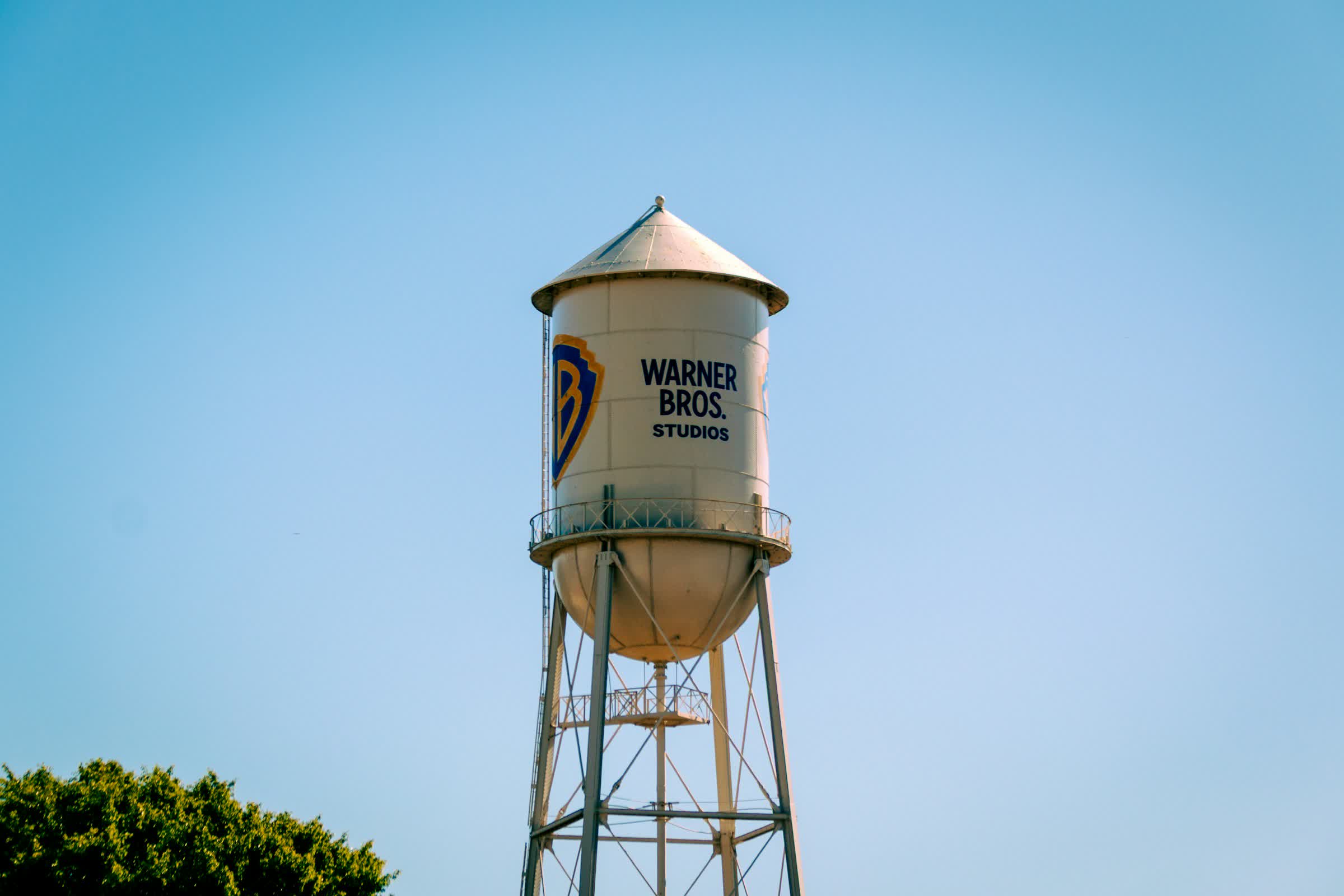
The lawsuit was filed in federal court in Sacramento on Monday, just a month after the Department of Justice cleared the deal without conditions. California is joined by Arizona, Colorado, Connecticut, Massachusetts, Minnesota, Nevada, New Jersey, New Mexico, New York, Oregon, and Washington, all states with Democratic attorneys general.

The complaint alleges that combining the two companies would harm competition in wide-release theatrical film distribution and the licensing of basic cable channels, with the damage trickling down to consumers in the form of pricier movie tickets and cable packages. It warns that the deal would "create a media behemoth."

California Attorney General Rob Bonta, whose office continued investigating the merger even after the DoJ signed off, said at a press conference that "competition is the lifeblood of a healthy and vibrant economy."

When the agreement was announced in February, Paramount said it would be paying $31 per share in cash for WBD, ending a bidding war that at one point involved Netflix. The merger would place Paramount+, HBO Max, CBS, CNN, and two of Hollywood's best-known film studios under a single owner. This raises the prospect of the streaming services eventually being combined and, the states argue, of subscribers paying more for less.

Paramount called the lawsuit a distortion of settled antitrust law based on a misrepresentation of competition in the entertainment industry. CEO David Ellison has pledged that the combined studios will release at least 30 theatrical movies per year, even after $6 billion in cuts to overlapping infrastructure, marketing, and corporate jobs.

The states counter that the promise is unenforceable, and that even if Paramount kept it, the company would still be positioned to raise prices and lower quality.

Paramount has agreed to pay WBD shareholders around $650 million in fees every quarter the deal remains open beyond October, and has warned that delays could force a renegotiation. The suit has already turned ugly, too: following a report that advisers were urging Ellison to move Paramount out of California over the litigation, Bonta said it "seemed like a last-ditch effort to try to blackmail my office."

The deal has been approved by regulators in more than a dozen countries, though reviews in the EU and UK are still ongoing.

Permalink to story:

 
And what was their opinion on Disney?
Disney got a big fish with Fox, but Paramount on its own was already as big as Disney was when it came to cinematic and TV properties then they acquired SkyDance which had a vast amount of properties and a ton of connections to China now they want their second win with WB that is also home to New Line Cinema and HBO...that's way too much for a single entity.

I say they need to be blocked by as many States as possible, with A.I in our lives it's enough for people to lose jobs, never mind anymore major consolidations.
 
Very Good!

With A.I in our lives it's more than enough for people to lose jobs, never mind anymore major consolidations.

Besides if Paramount can't fairly compete after acquiring SkyDance months ago then it would never be enough for them.
 
And what was their opinion on Disney?

Fox had to do major divestitures in order for that merger to be completed, most specifically, spinning off the non-cable and cable TV assets into their own company (which is still owned and ran by the Murdochs), while Disney got the film assets (20th/21st Century Fox). The DoJ was specifically worried that Disney, without the spinoff, would essentially control 2/4 major TV networks (ABC and Fox) and a major swathe of sports programming (via ABC and ESPN, which they already owned, as well as acquiring the rights that Fox owned, as well as their regional sports networks). Because of that, the divestiture was necessary to get DoJ approval.

And let's not forget that 20th/21st Century Fox was part of a bidding war. Comcast was bidding against Disney, and Disney shareholders rejected their counter due to antitrust concerns, so the DoJ (surprisingly) was on the ball, as every watching the back and forth knew that regardless of who acquired Fox, there were going to have to be divestitures.
 
There isn't much good content anyway, no matter the production companies, writers, so-actors, and plots! I cannot think of a good film crated in the past 7 years. It's all about white's that should hate themselves, transgenders, reparations for blks, and allowing illegal aliens to stay in the US!
 
There isn't much good content anyway, no matter the production companies, writers, so-actors, and plots! I cannot think of a good film crated in the past 7 years. It's all about white's that should hate themselves, transgenders, reparations for blks, and allowing illegal aliens to stay in the US!
People who are paid to express emotions have empathy? Who knew?
 
There is clearly a political element to this lawsuit. All 12 attorneys general involved are Democrats, while the Trump administration’s Justice Department has already approved the deal. The lawsuit also raises questions about the Ellison family’s political connections, while Paramount argues that the states are selectively targeting the company.

Those issues may deserve scrutiny, but politics should not replace the actual antitrust analysis.

I think a merger this large should not be approved without strong, enforceable conditions. Paramount promising to release 30 movies per year sounds reassuring, but corporate promises mean very little unless regulators can enforce them years from now.

Any approval should include protections involving theatrical releases, layoffs, independent production, licensing practices, union jobs, and the future of HBO Max and Paramount+. Otherwise, consumers could simply end up with another expensive bundle controlled by an even larger corporation.

That is the real problem with modern entertainment. Paramount and Warner may genuinely need more scale to compete with Netflix, Amazon, Disney, and Apple, but allowing every struggling legacy company to merge eventually leaves us with only three or four massive gatekeepers.

That may help keep the corporations alive, but it does not necessarily preserve competition or benefit consumers.
 
Back