
WTF?! Some people love to generate AI slop images that spread false information, especially the kind that make people worry. That's not a good idea if you're in Singapore, where a man who used Gemini to make a fake image of a crocodile in a popular reservoir has been charged over the act and could face up to ten years in prison.
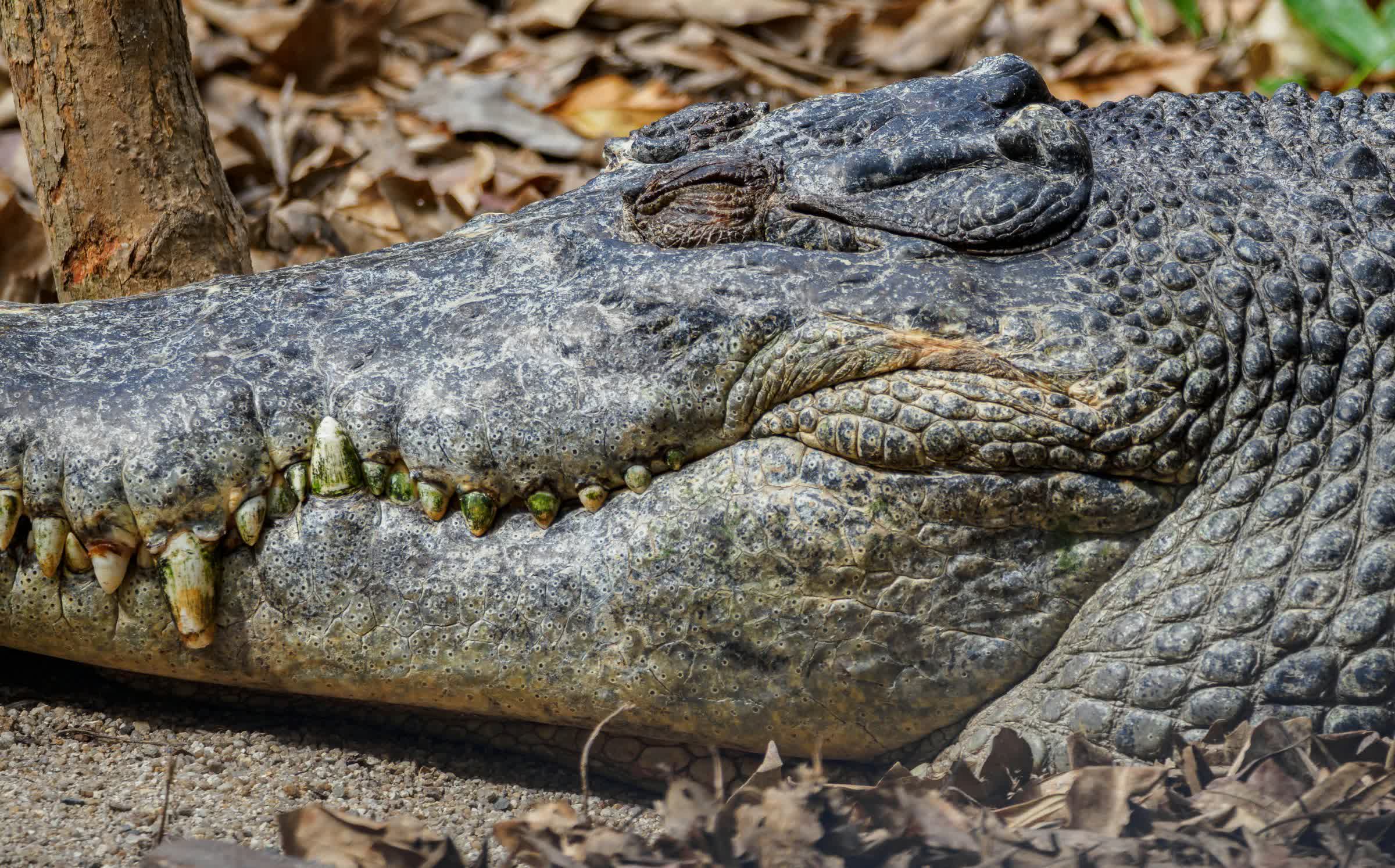
Ye Lin allegedly sent the AI-generated image of a saltwater crocodile at Pandan Reservoir to a colleague in August, presumably as a joke.
But the image led to a crocodile sighting being reported to Singapore's national water agency, PUB. The agency and national parks staff suspended all aquatic activities in the area for two days and started looking for a crocodile that didn't exist in the popular kayaking spot.
The following day, the agency confirmed that the image was a fake and reported it to the police, leading to Lin's arrest.
Singapore takes this sort of thing very seriously. Transmitting a false message is a crime that carries up to three years in prison, a fine of up to S$10,000 (about $7,800), or both.
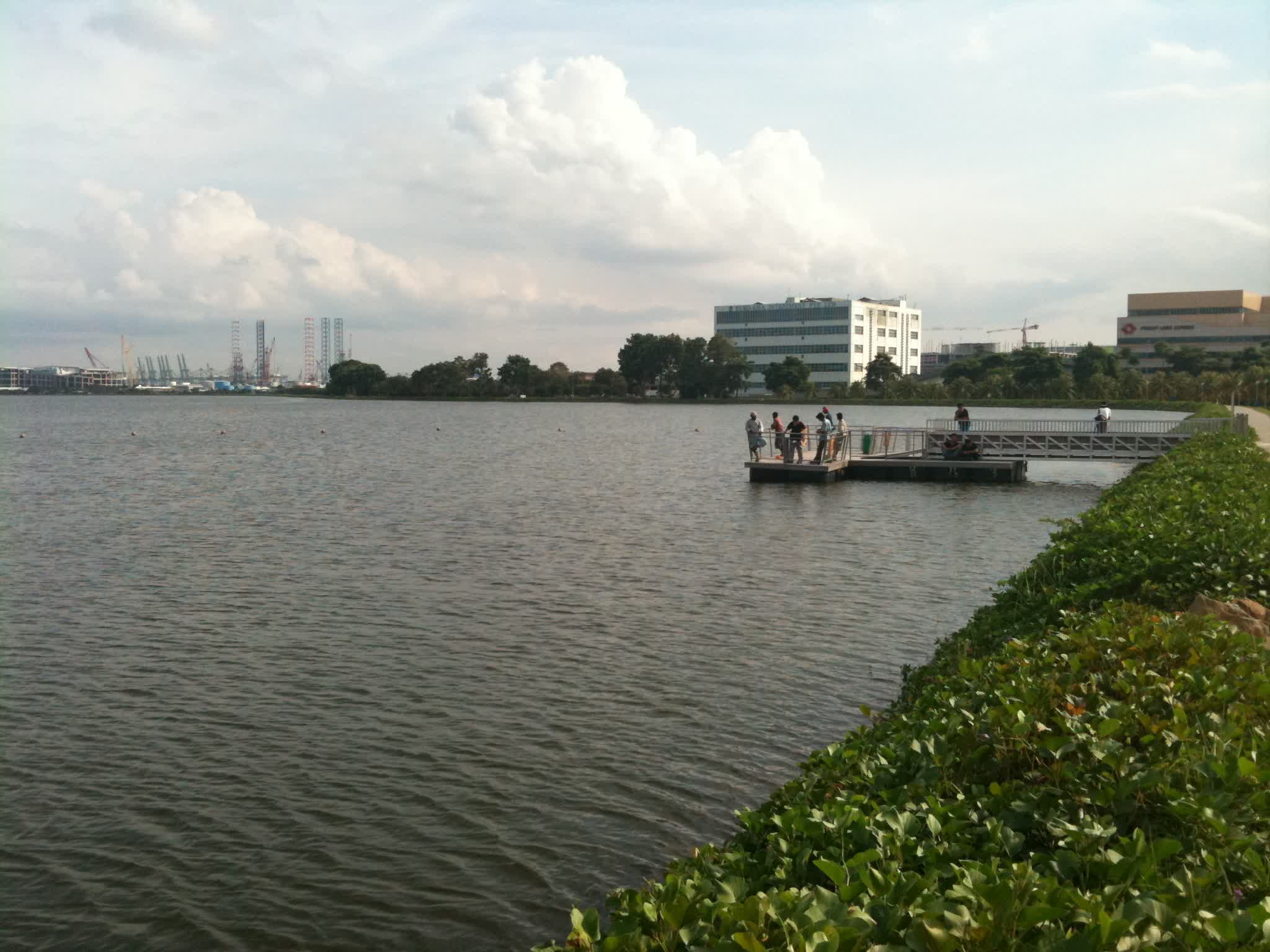
Pandan Reservoir: certified crocodile free
If that wasn't bad enough, police say Lin tried to hide what he'd done by deleting the image and the Gemini app from his phone. Unfortunately for him, that meant he's also being charged with obstruction of justice, the punishment for which is up to seven years in prison.
It's still not clear how PUB officials were notified of the AI photo. It could be that the person Lin sent it to then forwarded it to someone else who thought it was real.
It doesn't sound like Lin was intentionally trying to start a panic with the image, but Singapore isn't ranked as one of the safest countries in the world because it has a lenient justice system.
Ye said he intends to plead guilty and will not be using a lawyer. His case will be heard again in November.
In the US, generating legal images like these isn't going to result in a potential decade-long jail sentence, though a fabricated image supporting a credible false claim about a bombing or other specified serious offense may fall under federal hoax law. If it really was a crime, a lot of social media users would probably be locked up.
A man could face a decade in prison for a fake crocodile photo he made with Gemini


