
In brief: FPGA circuits have enabled a new generation of devices that replicate retro game consoles and computers with near-perfect cycle accuracy. The latest example is Atari's 16-bit home computer, and although the modder behind the project only built five units, any fan with a 3D printer may be able to assemble their own.
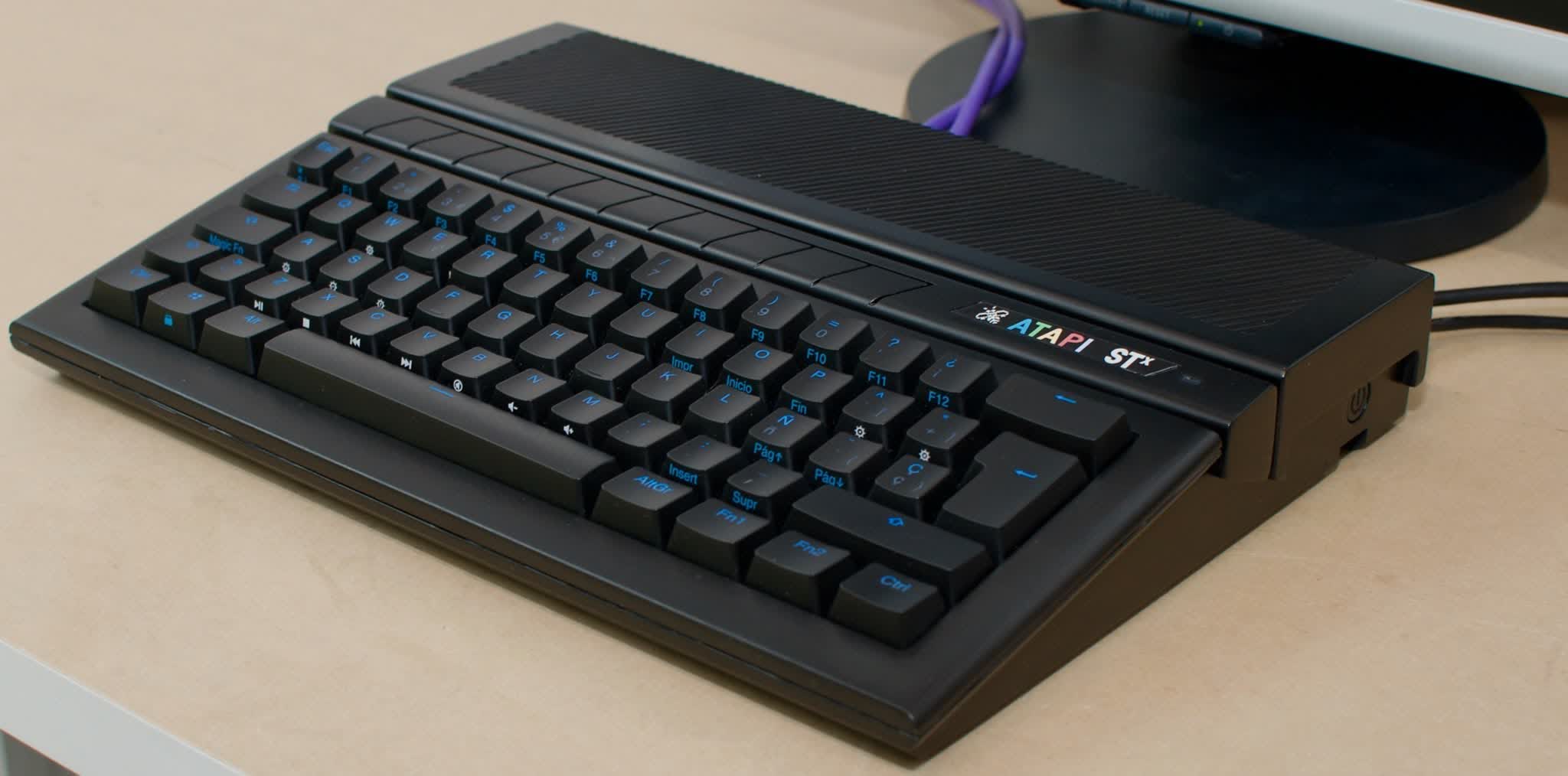
According to Tom's Hardware, Dennis Shaw shared the details of the MiniST in a private Facebook group for Atari ST fans. The initial five-unit production run is available for approximately €350 ($400) each.
The device accurately mimics the 1985 computer's 8MHz 68000 CPU, ensuring games and other software run as they would on real hardware. However, it also includes USB and HDMI ports to support modern displays and inputs. Although Shaw notes that manufacturing each unit is time-consuming, interested parties can source the materials independently.
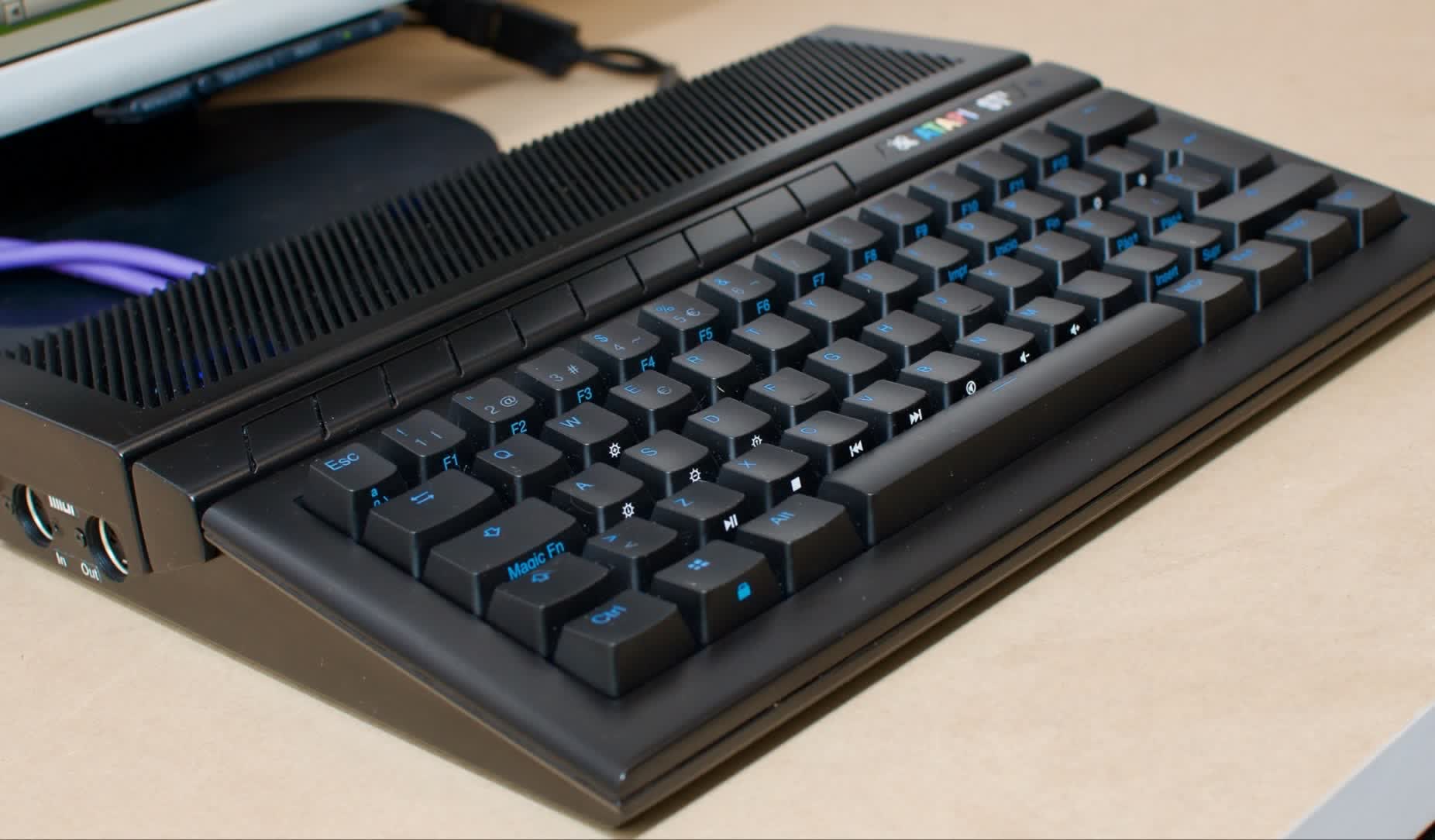
For example, the chassis is an Atari ST-style case that was previously designed to lend an authentic aesthetic to Raspberry Pi devices running BeePi, a software-based Atari ST emulator. Since its 3D printing schematics are freely available under Creative Commons, Shaw used it instead on a Tang Nano FPGA board running MiSTeryNano, an Atari ST MiSTer core. According to its GitHub documentation, the core supports most versions of the ST's TOS operating system, floppy disk images, ACSI hard disks, and physical MIDI ports.
Released in 1985, the original Atari ST was an early 16-bit home computer designed by Commodore's Jack Tramiel, who had left the company he founded the previous year and purchased Atari's gaming division from Warner. Alongside Commodore 64 designer Shiraz Shivji, he built the ST to be a powerful but affordable successor to the Atari 8-bit computer.
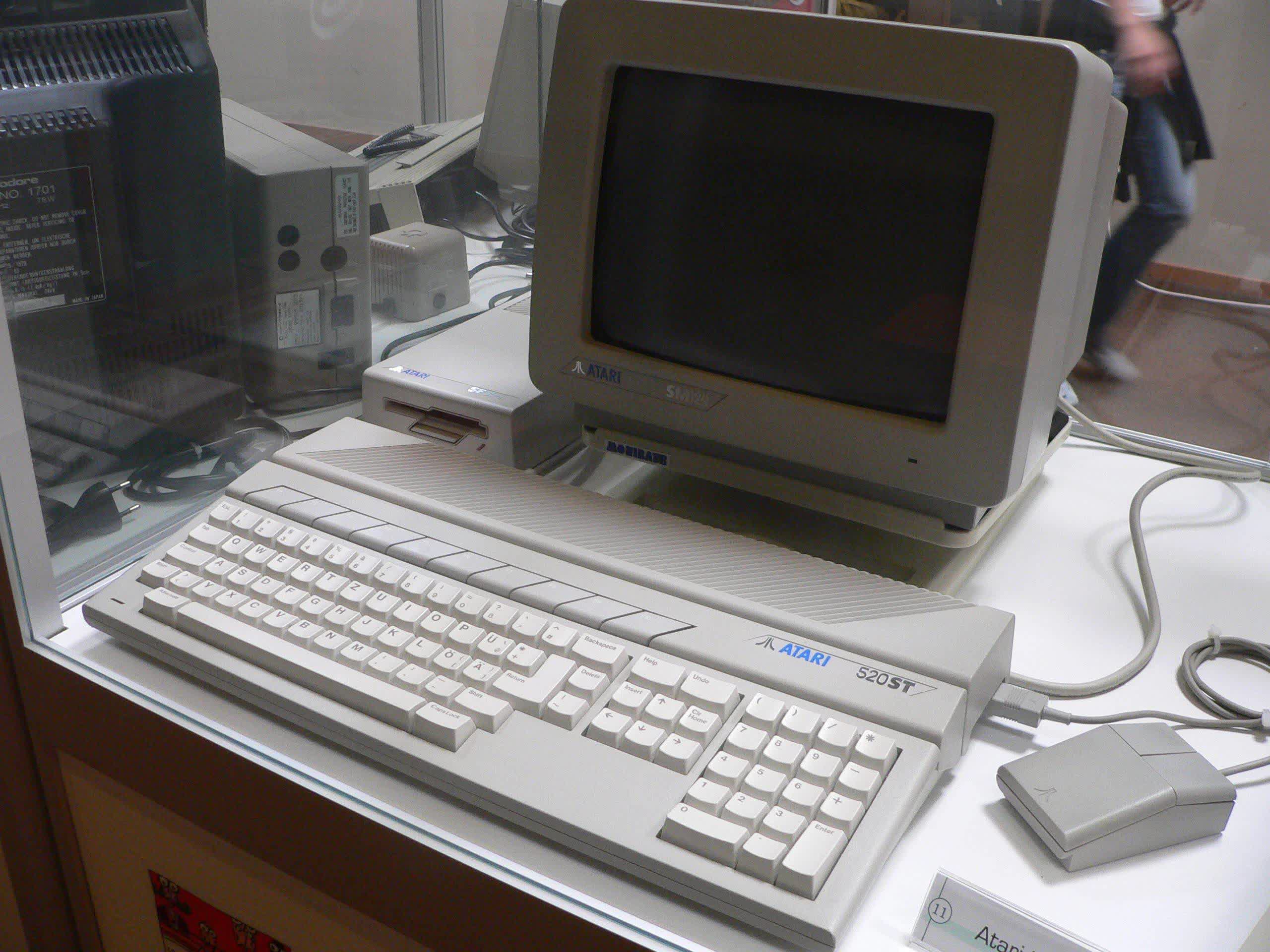
Initially sold for $999, the Atari ST spawned several models, such as the 1040 ST, named for its 1MB of memory, and ultimately the Falcon030, released in 1992. Ironically, the Atari ST was eventually overshadowed in the US by Commodore's Amiga, a 16/32-bit computer based on a design the company acquired from Atari.
Still, the ST became a popular choice in Europe for desktop publishing and music production. Some of its most beloved games include Dungeon Master, Carrier Command, Vroom, and Falcon. Last year, developer Jonas "indyjo" Eschenburg ported Doom to the Atari ST.
FPGA-based clones have previously allowed retro enthusiasts to easily play cycle-accurate replicas of the NES, Super NES, Sega Genesis, TurboGrafx, Game Boy Advance, Atari 8-bit, Commodore 64, and Nintendo 64 on modern HDMI displays. Modder Taki Udon recently began shipping the SuperStation One, which emulates the original PlayStation and other retro consoles.
A new Atari ST replica uses open-source designs and FPGA technology


