Forward-looking: Intel and AMD have been rivals since the dawn of personal computing, pushing each other – and the x86 platform – to its limits. Now, the longtime competitors are collaborating on the very blueprint of the chips that power most of the world's computers. It's a quiet but significant shift that could reshape how future processors evolve.
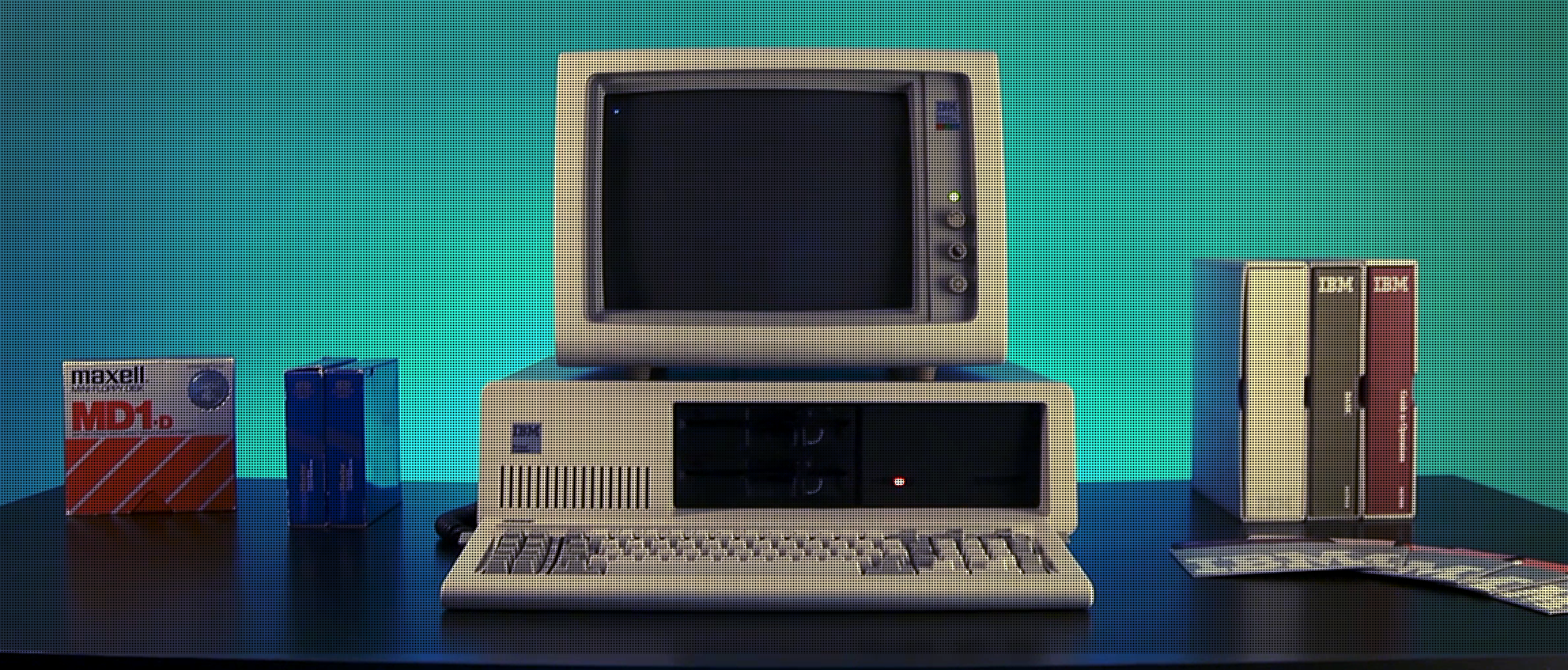
AMD and Intel recently marked the first anniversary of the x86 Ecosystem Advisory Group (EAG), a trade organization launched in October 2024. The goal of the EAG is to enable the two remaining companies designing and manufacturing x86 CPUs to cooperate and promote new standardized features. The group is now announcing several technical improvements that are expected to appear in future PC processors.
The main technical milestones achieved by the alliance during its first year include FRED, AVX10, ChkTag, and ACE, according to AMD. The Flexible Return and Event Delivery (FRED) feature introduces a modernized approach to handling hardware interrupts, reducing latency and improving the stability of system software – namely, operating systems.
Meanwhile, AVX10 is a new extension of the x86 ISA first introduced by Intel a few years ago. Designed as an improved implementation of previous vector-based instruction sets such as AVX-512, AVX10 is now being adopted by AMD as a portable technology intended to work across client, workstation, and server processors.
Intel originally designed AVX10 as a major evolution of the x86 ISA, and as a competitive advantage for its own CPUs. Things look different now, as the company appears to be moving away from proprietary development paths, including its previously controversial x86S specifications.
Vector instructions can provide significant performance gains for certain workloads: just ask the media transcoding specialists at FFmpeg or the developers of the RPCS3 PS3 emulator. Meanwhile, the ChkTag extensions aim to introduce a universal x86 memory tagging instruction set to fight memory safety issues such as buffer overflows and use-after-free errors.
Memory safety has become a major focus for software developers, security vendors, and government agencies addressing systemic threats to critical infrastructure.
The ChkTag set will add new hardware instructions designed to detect access violations and help secure operating systems, hypervisors, and firmware. AMD notes that software designed to exploit these new instructions will be backward compatible with older processors lacking proper hardware support, so everything's dandy.
Finally, the Advanced Matrix Extensions for Matrix Multiplication (ACE) are designed to standardize matrix operations used in AI and machine learning workloads. AMD emphasizes that the EAG's mission will continue to center on improving compatibility, predictability, and "consistency" within the x86 ISA across a wide range of computing platforms.
AMD and Intel are working together to standardize the future of x86 processors


