The takeaway: The United States is adding fast-charging stations for electric vehicles at an unprecedented rate, even as EV sales cool and automakers pull back on battery investment. According to new data from Paren, a firm that tracks charging deployment, more than 18,000 new fast-charging ports were installed in 2025 – a 30 percent expansion in just one year. The country now hosts over 13,200 public fast-charging sites, a sign that infrastructure growth is outpacing demand for the vehicles themselves.
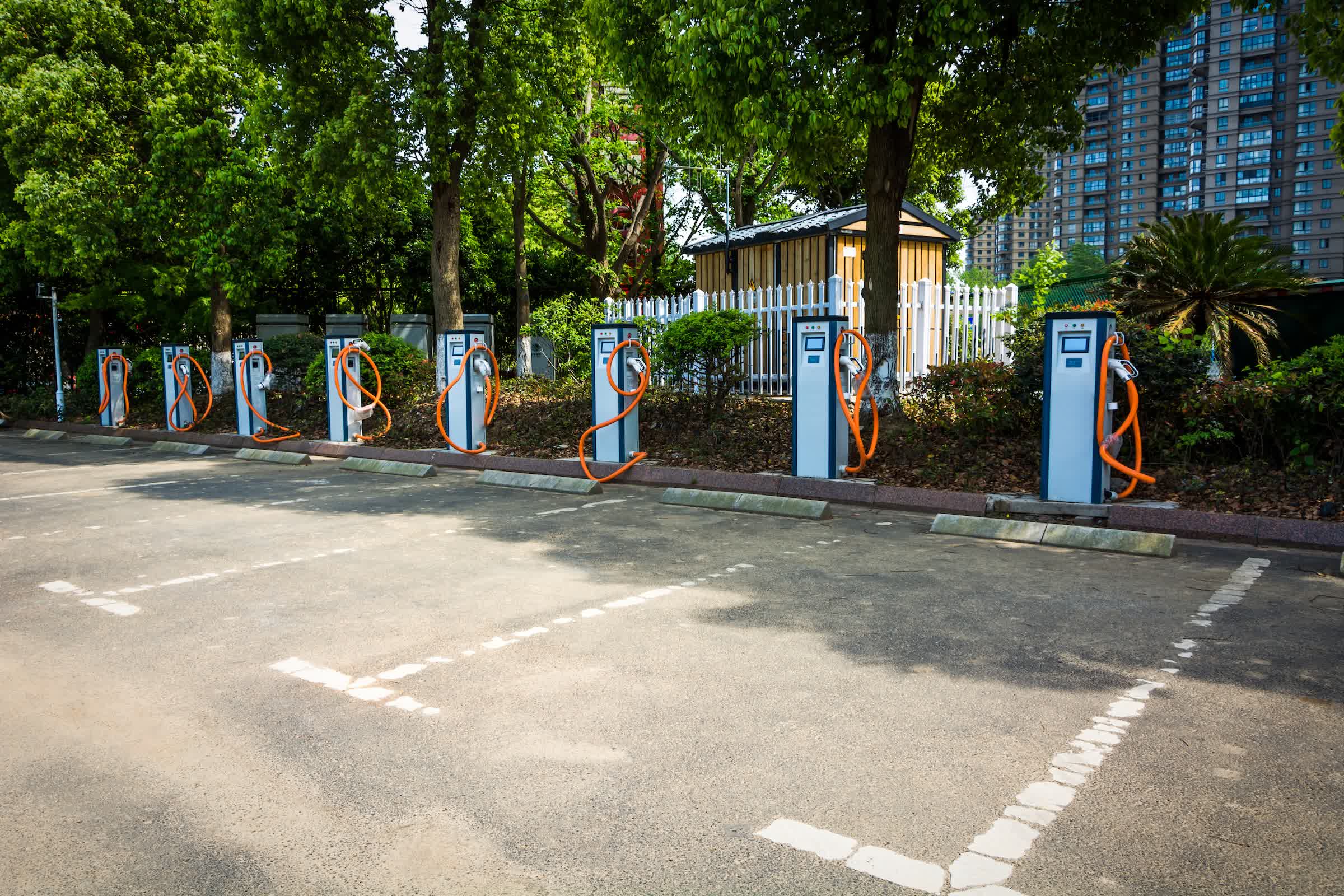
Much of this transformation stems from technical and market shifts that have steadily lowered the barriers to adoption. Early EV adopters often faced broken ports, incompatible connectors, and a confusing patchwork of apps just to find a working charger. Those issues have become less common as networks grow denser and standards align.
In 2023, Tesla agreed to open portions of its Supercharger network to all vehicles, fundamentally reshaping accessibility. That deal allowed non-Tesla drivers – from Ford to Kia and Mercedes – to plug in at thousands of new locations. The move spurred competitors like Electrify America, EVgo, and Ionna to accelerate their own deployments. Ionna, a joint venture backed by General Motors, Kia, and other automakers, added 740 ports in its first year alone.
Paren's co-founder and CTO, Bill Ferro, describes the scaling effect as inevitable. "You got this big snowball that's rolling downhill, and it just keeps getting bigger," he told The Washington Post. The metaphor fits: after years of inconsistent support, the US charging grid is now expanding faster than the market it was meant to serve.
Meanwhile, expansion isn't limited to high-speed stations. The US Department of Energy counts around 64,000 "Level 2" charging stations across the country – slower units typically installed at workplaces and shopping centers. Combined with the fast-charging sites, total public chargers now number about 77,000, or more than half as many as all gas stations nationwide.
Surprisingly little of this growth has come from government funding. Only about 3 percent of last year's new fast chargers were financed under federal programs. The $7.5 billion congressional allocation from the Biden era faced repeated delays and halts before being restarted under the Trump administration.
A federal court recently ruled that the earlier suspension of the program was unlawful, clearing the way for states to resume infrastructure spending. So far, only about 2 percent of the total funds have been used. Analysts expect future federal dollars to fill the geographic "dead zones" private developers avoid – particularly rural corridors and long stretches of highway where coverage gaps persist.
"The idea is to ensure chargers every 50 miles or so on national highways," said Corey Cantor of the Zero Emission Transportation Association. He emphasizes that the public role is to connect what the market overlooks, not to compete with it.
The surging number of chargers has arrived just as EV sales have lost momentum. The third quarter of 2025 saw a 40 percent spike – over 400,000 vehicles sold – as buyers rushed to claim a $7,500 federal tax credit before it expired at the end of September. Sales fell sharply the following quarter, a textbook example of the "pull-forward" effect where consumers accelerate purchases to beat policy deadlines.
Now, with new incentives withdrawn and major automakers redirecting funds toward hybrid or gas models, industry forecasters expect EV sales to level off or decline slightly. Even so, improved charging accessibility could soften the downturn. A 2024 Pew Research Center study found that Americans who live closer to public chargers are far more likely to consider purchasing an EV – a reminder that infrastructure and adoption remain tightly linked.
For many in the field, that may be the key signal. After a decade of false starts and fragmented planning, the US is finally developing the consistent backbone of a national electric refueling system – not because of top-down mandates, but because the network is becoming a dependable, business-driven utility. Whether sales rebound in the near term, the foundation for the next phase of electric mobility is clearly being laid.
America is building EV chargers at record speed, just as demand cools


