Forward-looking: Arm has hired Amazon's AI chip director, Rami Sinno, in a signal that the British firm is no longer content to remain just the world's most prolific chip designer. The move marks a decisive step toward building its own silicon, a shift that could reshape Arm's business model, pit it more directly against longtime partners, and position it in the center of the AI hardware race.
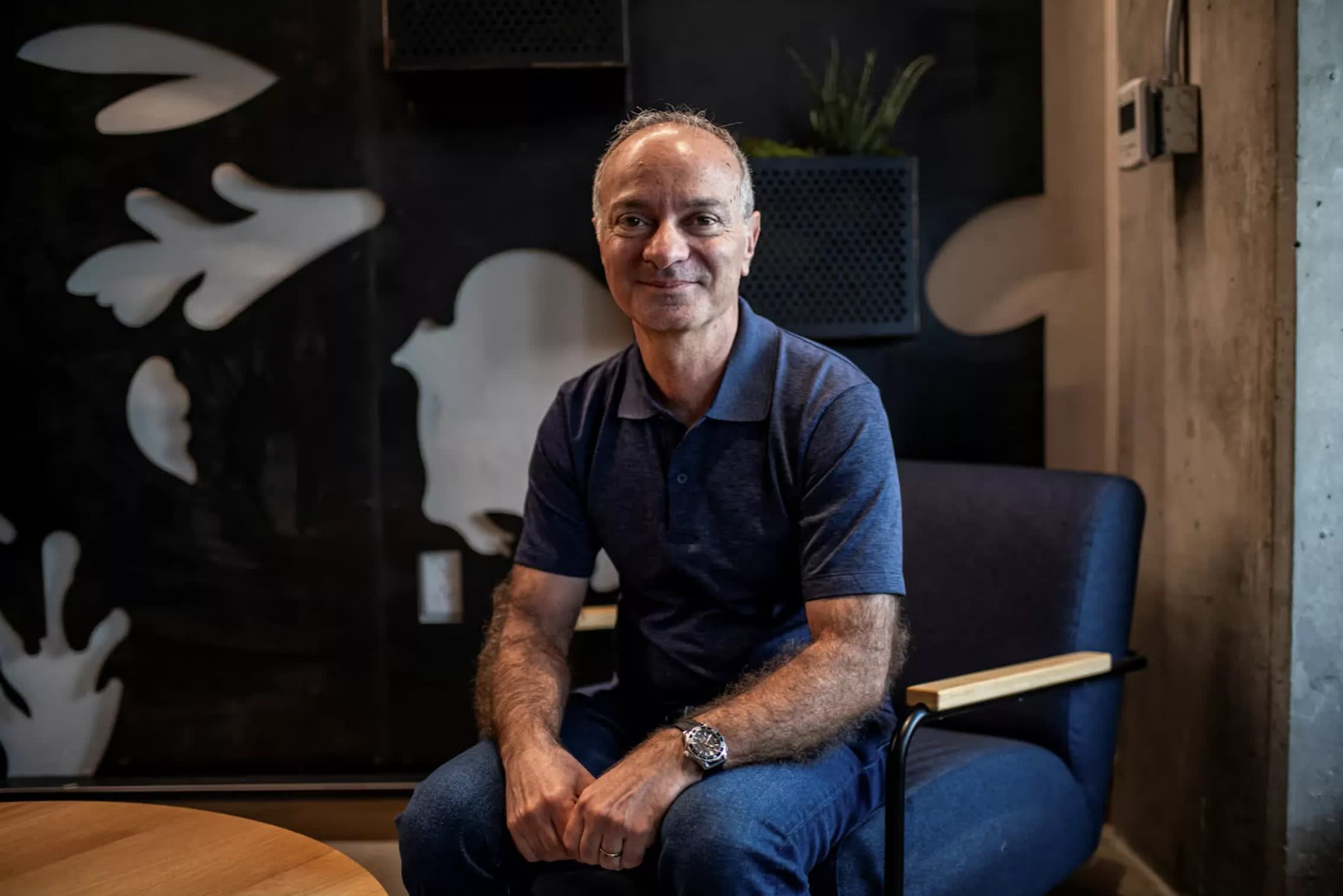
Sinno played a key role at Amazon's cloud division in developing the company's in-house AI processors, including Trainium and Inferentia. These chips were purpose-built to train and run large-scale artificial intelligence models, giving Amazon Web Services an alternative to Nvidia's dominant GPUs.
By hiring Sinno, Arm gains an executive with deep expertise in architecture, design, and integration of custom chips for advanced AI workloads – a sector where demand is surging across enterprise and consumer markets.
For decades, Arm's business model has focused on licensing processor architectures and instruction sets to other chipmakers. Companies like Apple and Nvidia incorporate Arm's intellectual property into their own designs, while Arm collects royalties on every chip sold. This approach has made Arm's designs ubiquitous in mobile devices and increasingly prevalent in data center servers competing with processors from Intel and AMD.
Since going public in 2023, however, Arm has signaled ambitions to play a bigger role in the semiconductor industry. In July, CEO Rene Haas confirmed that part of the company's profits would be reinvested into direct chip projects. He outlined plans to explore both chiplets and, eventually, complete systems-on-chip.

Sinno's recruitment is part of a broader trend of leadership hires aimed at strengthening Arm's in-house semiconductor capabilities. The company previously brought on Nicolas Dube, a systems design specialist from Hewlett Packard Enterprise, and Steve Halter, an engineer with experience at Intel and Qualcomm. Both have been tasked with advancing Arm's ability to move beyond core processor blueprints toward fully realized chip platforms.
The addition of Sinno appears strategically focused on supporting Arm's expansion into AI-specific hardware, an area now at the heart of competition in both cloud computing and consumer devices.
Arm's pivot comes amid intensifying competition across the semiconductor industry. Nvidia continues to dominate the market for graphics processing units used in AI model training, while AMD, Intel, and an expanding roster of cloud service providers are ramping up investments in custom silicon. Amazon's Trainium and Inferentia chips are frequently cited as examples of how hyperscalers can lower costs and reduce reliance on Nvidia's supply-constrained GPUs.
For Arm, evolving from a supplier of processor blueprints to a company offering complete systems represents not only a shift in business model but also in corporate identity. The move positions the firm in closer competition with some of the very customers it has long served.
Image credit: Reuters
Arm pivots toward building its own chips, hires Amazon AI chip leader Rami Sinno


