In a nutshell: Asus and Acer have pulled the plug on their German websites, leaving PC owners in the country without direct access to drivers, BIOS updates, or official support portals. The companies are also blocking German users from accessing their US sites, turning what started as a targeted legal dispute over video technology into a sweeping blackout of online support.
Update (Feb 24): ComputerBase is monitoring the situation (translated from German). On both instances, Asus.de and Acer.de websites are usable again after 10 days of downtime. However, both PC makers have removed content affected by the patent dispute, online stores are usable but limited in selection, while making drivers and other support portals available again for current owners.
The original story follows below:
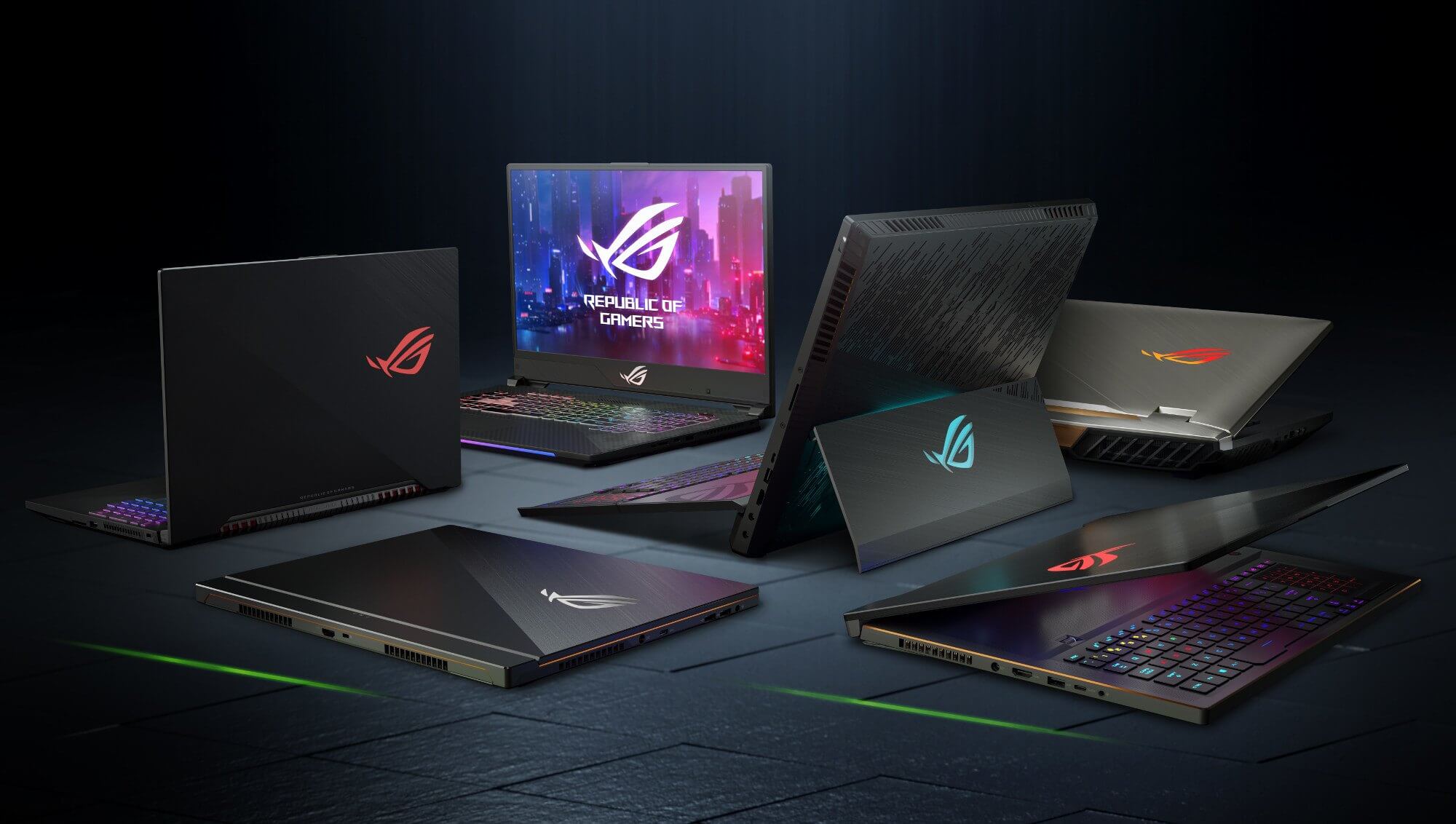
Asus and Acer enthusiasts in Germany are frustrated after being cut off from support for their high-end systems. Tom's Hardware reports that the companies' German sites no longer serve product pages, downloads, or support content.
There doesn't appear to be a practical workaround, as US versions of these sites redirect regional users to notice pages stating the sites are unreachable. Even using a VPN with a German endpoint produces the same result. The only reliable way around the issue is a VPN endpoint outside Germany to access non-German versions of the sites.
For owners of custom builds and gaming systems, the blackout poses an obvious risk: BIOS updates and driver packages are not just performance tweaks but often carry microcode fixes, security patches, and platform-stability improvements. Losing straightforward access to those files can complicate everything from enabling resizable BAR and advanced PCIe features to resolving USB controller quirks on modern chipsets.

The shutdown is rooted in a patent battle with Nokia over High Efficiency Video Coding (HEVC, or H.265), a compression standard that underpins much of today's high-resolution video playback and streaming on PCs. Nokia holds standard-essential patents on HEVC and has argued that Acer and Asus did not meet their licensing obligations under fair, reasonable, and non-discriminatory (FRAND) terms, prompting a Munich court to grant an injunction covering affected devices.
Asus has acknowledged the court decision publicly and framed the website suspension as a response to the Munich I Regional Court's temporary injunction. In a statement, the company said it has temporarily suspended its official website and online store in Germany but stressed that all after-sales services in the country "remain fully operational" and that existing customers would continue to receive support in compliance with the order. Asus also said it is evaluating further legal action to reach a resolution that would allow it to resume normal operations.
Why the geo-blocking extends as far as it does is not completely clear. In principle, the companies could have disabled only the German online stores and prevented other regional storefronts from shipping PCs into Germany while keeping support infrastructure and driver repositories accessible.
The scale of the disruption matters because Germany is not a niche market in this sector. The country is the largest PC market in Europe by share, accounting for roughly a quarter of regional demand and a significant slice of desktop and notebook production and sales. That makes a full website blackout for two major OEMs an unusually visible consequence of a codec licensing dispute.
Asus and Acer block German users from drivers and BIOS updates after patent fallout


