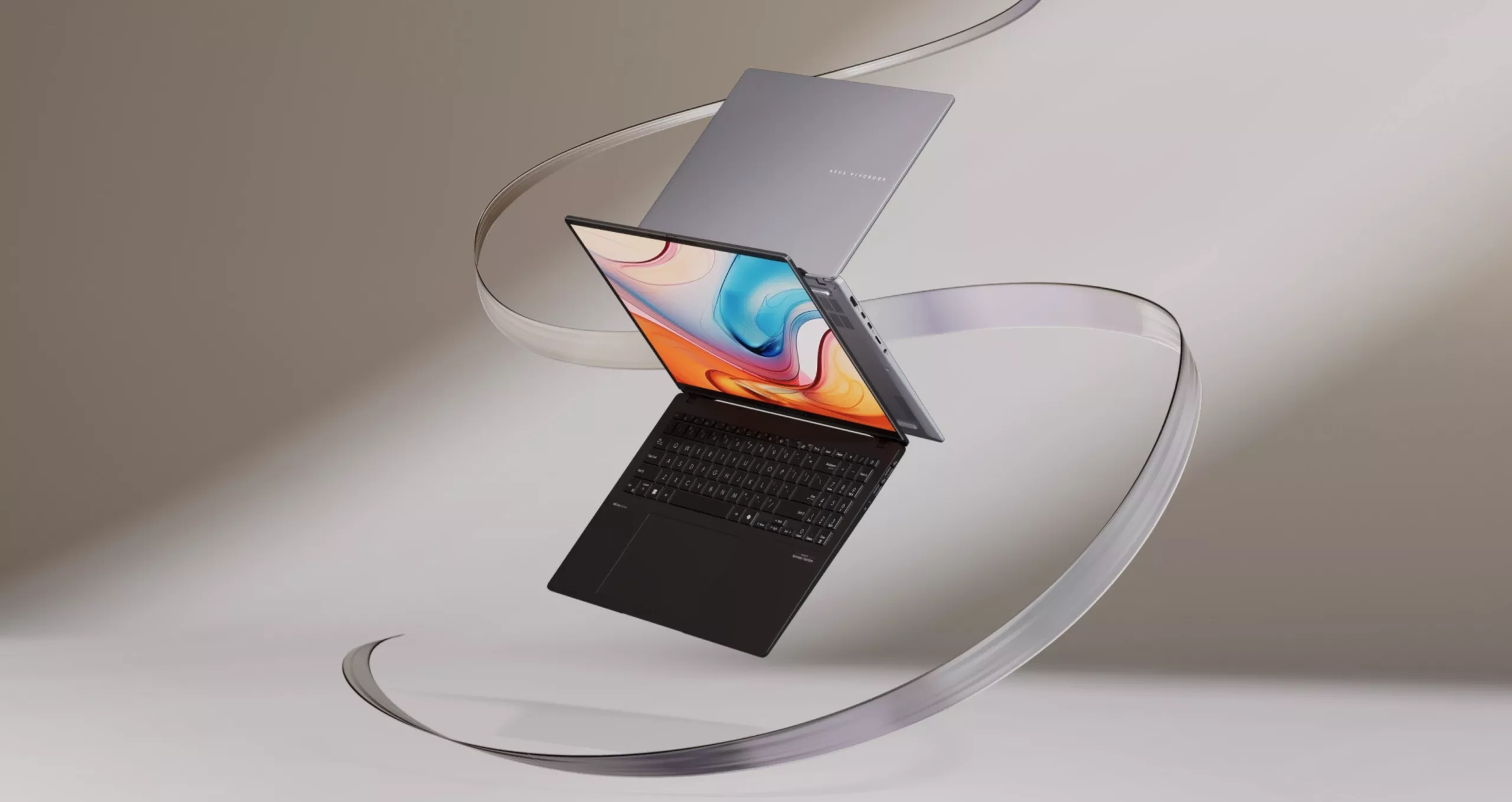
What just happened? Acer and Asus have suspended direct PC and laptop sales in Germany after a court ruling handed Nokia a significant win in a patent dispute over HEVC video compression technology. The decision, issued by the Munich I Regional Court, effectively blocks the Taiwanese manufacturers from offering, importing, or marketing affected systems in the country until the licensing conflict is resolved.
At the center of the case is the widely used video compression standard HEVC, also known as H.265. Nokia owns several standard-essential patents tied to the codec and argued that Acer and Asus failed to obtain proper licenses under fair, reasonable, and non-discriminatory (FRAND) terms.
The Munich court agreed, concluding that the companies were not acting as "willing licensees," a key requirement in FRAND disputes. As a result, injunctions were granted that prevent the sale and distribution of infringing PCs in Germany.
Despite the ruling, the brands won't disappear from store shelves overnight. Retailers can continue selling existing inventory, but Acer and Asus cannot ship new units into Germany, raising the likelihood of shortages if the dispute drags on.
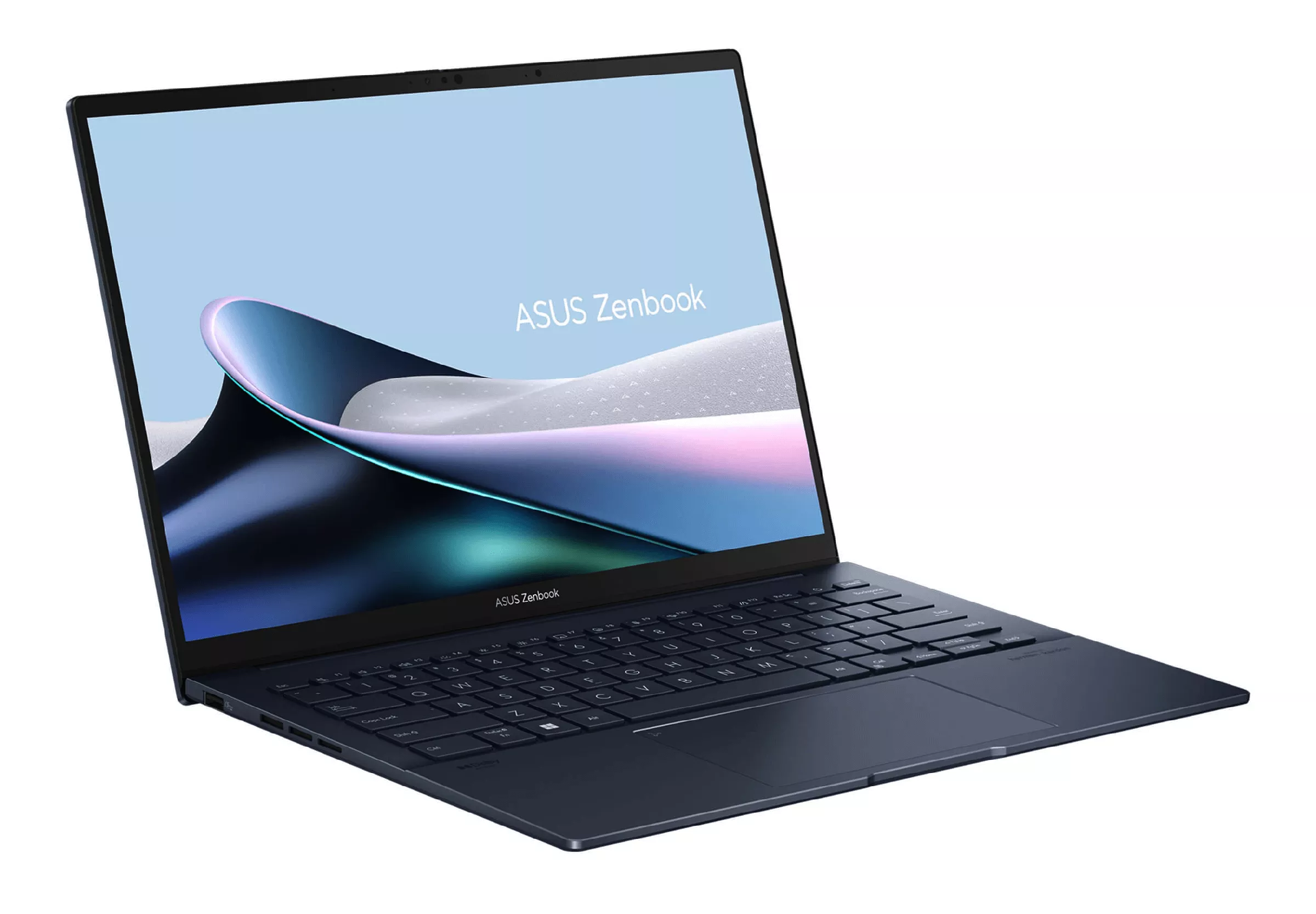
The conflict underscores how critical HEVC support remains in modern hardware. The codec is supported by GPUs, operating systems, and streaming platforms, making it effectively mandatory for PC manufacturers. While alternatives such as AV1 exist, dropping HEVC compatibility would significantly degrade the user experience.
Nokia has pursued similar enforcement actions as part of a broader effort to monetize its extensive patent portfolio. The company filed suits against Acer, Asus, and Hisense in multiple jurisdictions, with Hisense opting to license the technology earlier this year.
Nokia said that between 1984 and 2014, it invested more than €50 billion ($54.3 billion) to create a portfolio of 30,000 patents and patent applications, which have been generating the company a sizeable income for years.
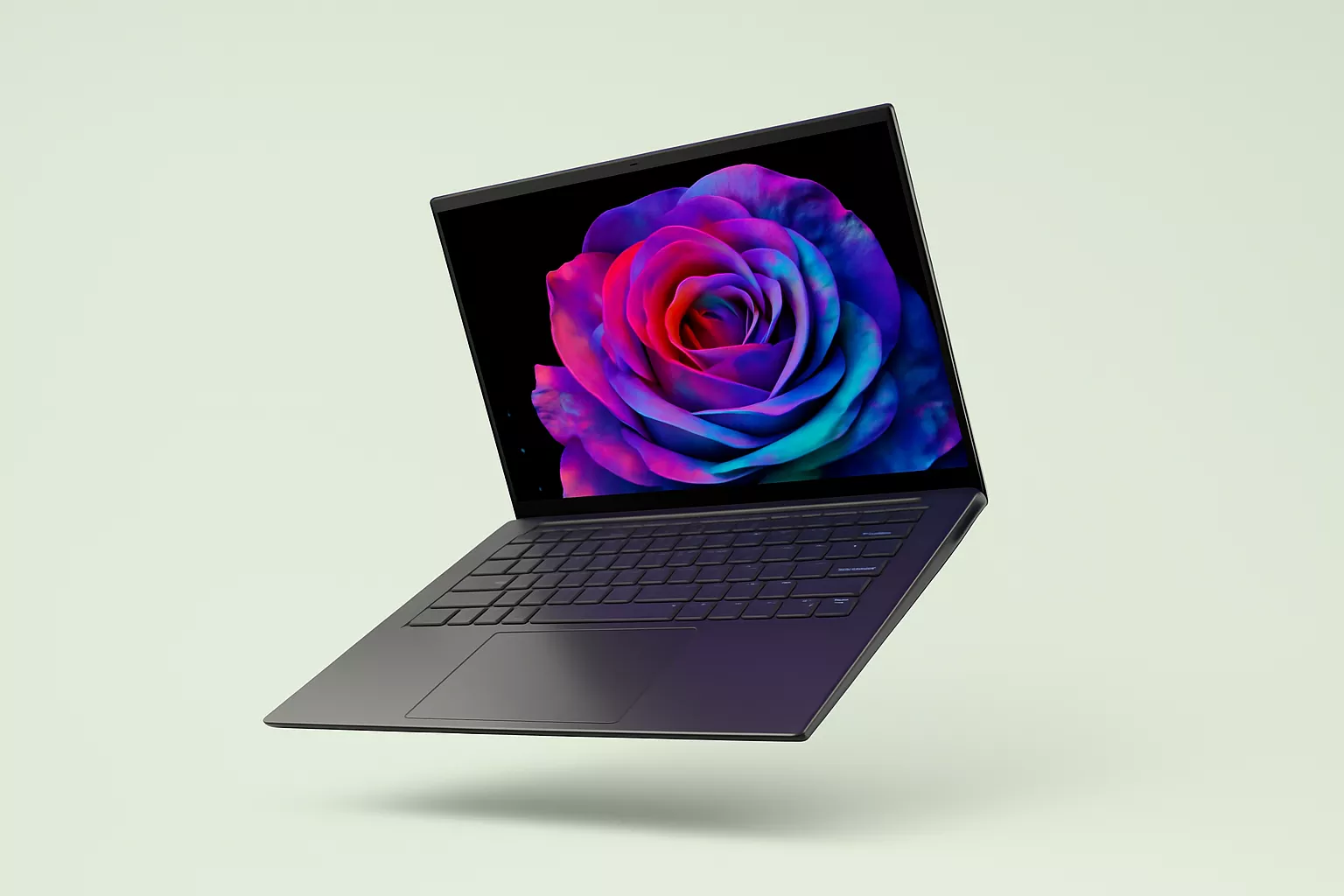
For consumers, the immediate impact may be limited. Acer and Asus systems remain available through third-party sellers for now, but prolonged restrictions could shift market share toward competitors and tighten supply in one of Europe's largest PC markets.
Both manufacturers are expected to appeal or pursue licensing agreements, meaning the ban could prove temporary. Still, the ruling highlights Germany's strict approach to patent enforcement. It also illustrates the impact these lawsuits can have on even the biggest companies.