Bottom line: Five years ago, the average new vehicle cost roughly $40,000. The current average of over $50,000 illustrates the rapid escalation of prices and the transformation of what constitutes a "typical" new car purchase in the US. For many Americans, the new car market has shifted decisively toward affluent buyers and technologically advanced vehicles, with economic pressures and regulatory changes redefining both supply and demand.
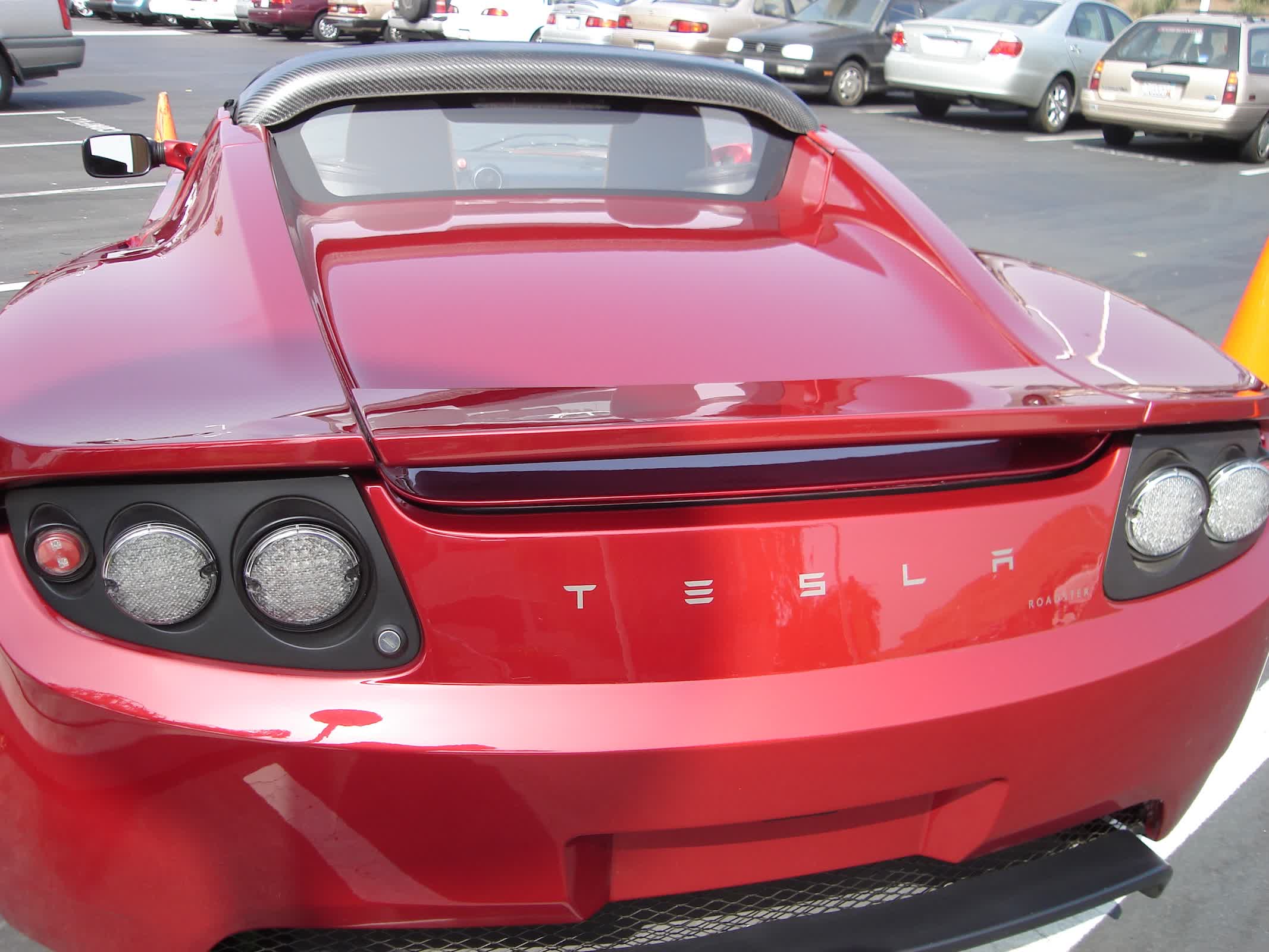
The average price paid for a new car in the United States surpassed $50,000 for the first time in September, marking a pivotal moment for the automotive market as buyers increasingly opt for luxury vehicles and electric models. Industry analysis points to multiple trends converging to drive prices higher, signaling deeper shifts in buyer behavior and unprecedented challenges for cost-conscious consumers.
The growing popularity of electric vehicles is at the center of this surge. According to Kelley Blue Book, electric models accounted for approximately 11.6% of all new vehicles sold last month – a record high for the US market.
The average electric vehicle sold for $58,124, up 3.5% from August, while total EV sales for the third quarter reached nearly 438,000 units, representing a 10.5% market share and almost a 30% increase over the same period last year. The expiration of a $7,500 federal tax credit for buyers created a sales rush, as incentives declined slightly in September compared to August but remained higher than in 2024.
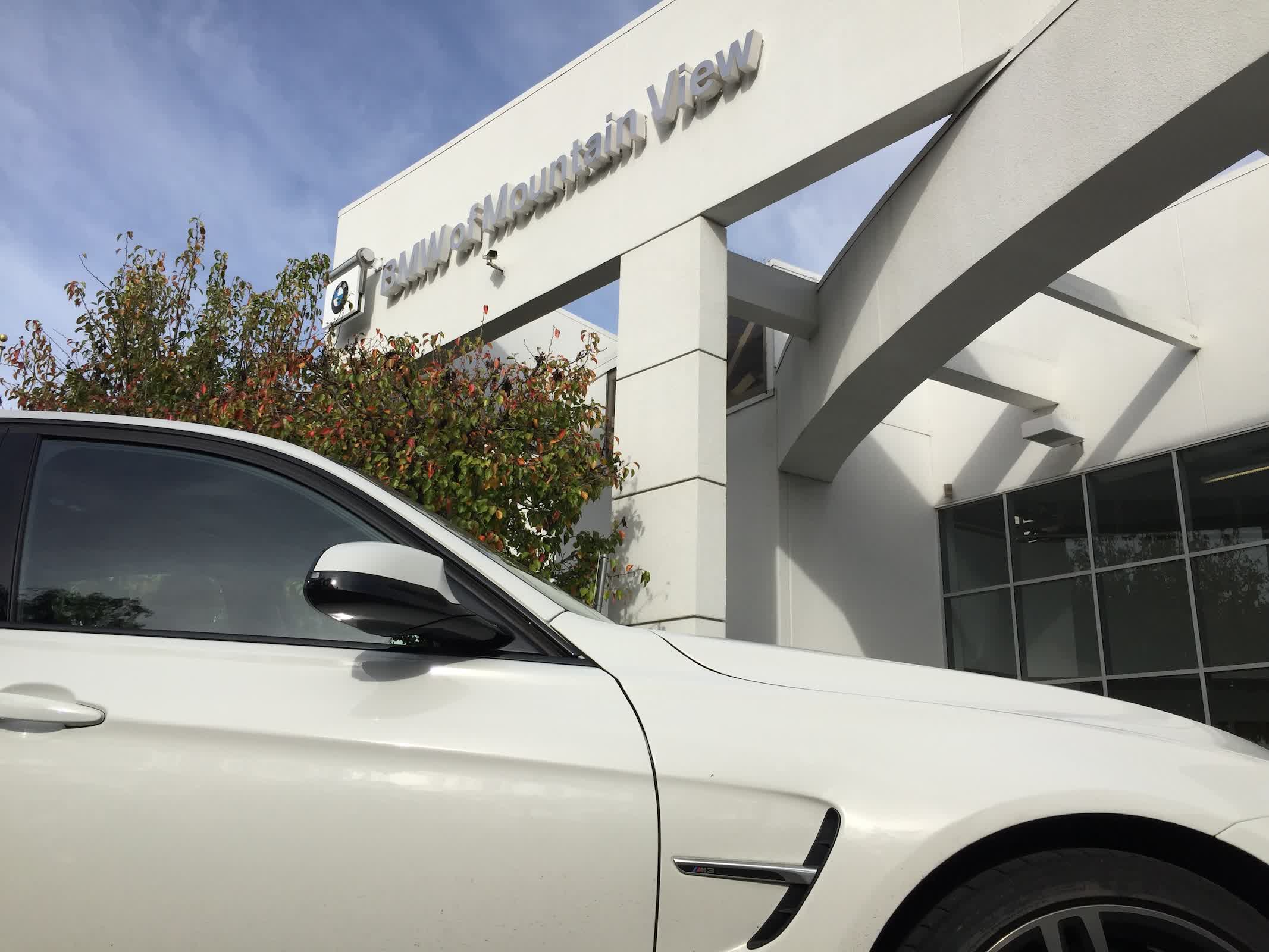
The luxury segment also fueled the price increases. More than 60 models with an average sticker price north of $75,000 contributed to 7.4% of new car sales in September, up from 6% a year earlier. The market's upper tier continues to expand, reflecting wealthier households' capacity to absorb rising costs and embrace high-ticket vehicles.
Meanwhile, the once-common $20,000 car is essentially gone from dealership lots. Many budget-focused Americans have shifted toward used vehicles or have chosen to keep existing cars longer. Data from S&P Global shows the average age of cars on American roads exceeds 12 years.
Financing trends reveal the strain on buyers reaching for new cars. Average monthly payments crossed the $750 threshold, and seven-year loans are now more common – one in five new car buyers pays more than $1,000 per month to secure their vehicle. These longer loan terms are a direct response to elevated prices but also carry risks for consumers, many of whom are stretching budgets to afford the models they want.
The pricing dynamics in September were also affected by broader economic policies. President Donald Trump's tariffs have introduced substantial costs for automakers, which are absorbing billions of dollars in additional fees on imported vehicles and parts.
Automotive companies, facing declining margins, have not fully passed these costs onto consumers yet, opting instead to hold the line on transaction prices in hopes of maintaining sales. However, analysts warn that ongoing tariffs will eventually necessitate price hikes to sustain profitability, potentially escalating the affordability crisis further.
Despite the inflationary effects of tariffs and supply chain disruptions, the market's current trajectory is shaped most by the rising demand for electric and luxury vehicles. Tesla, still the dominant player in the EV segment, recorded an average transaction price of $54,138 in September, slightly lower than August – but saw its market share dip below the 50% mark for the first time as buyers enjoyed a broader selection of electric models.
Industry observers anticipate that the proliferation of new EV models and elevated inventory could help stabilize or reduce prices, though ongoing policy changes and economic conditions will continue to shape the market.
Average new car price tops $50,000 for first time as Americans shift to EVs and luxury models


