TL;DR: As data centers and factories drive US power demand sharply higher after decades of flat consumption, nuclear energy has been pushed back into the center of the debate over how to keep the grid both stable and low-carbon. The question running through boardrooms in Silicon Valley, utilities in the Midwest, and agencies in Washington is whether the US can revive old reactors, build new ones, and stand up small modular designs fast enough to support an AI-driven economy without repeating the sector's cost and safety failures.
Seven years ago, the energy industry looked very different. Utilities such as Entergy were shuttering plants like Palisades on the grounds that cheap natural gas and flat demand had made them uneconomic. Workers who had kept Palisades running well into its fifth decade watched it close in May 2022 with what they described as deep frustration, seeing the decision as driven by forces far beyond the control-room floor.
The plant was sold to Holtec International for decommissioning, a familiar endgame for US nuclear units that had outlived their balance sheets even as they continued to produce about a fifth of the country's electricity.
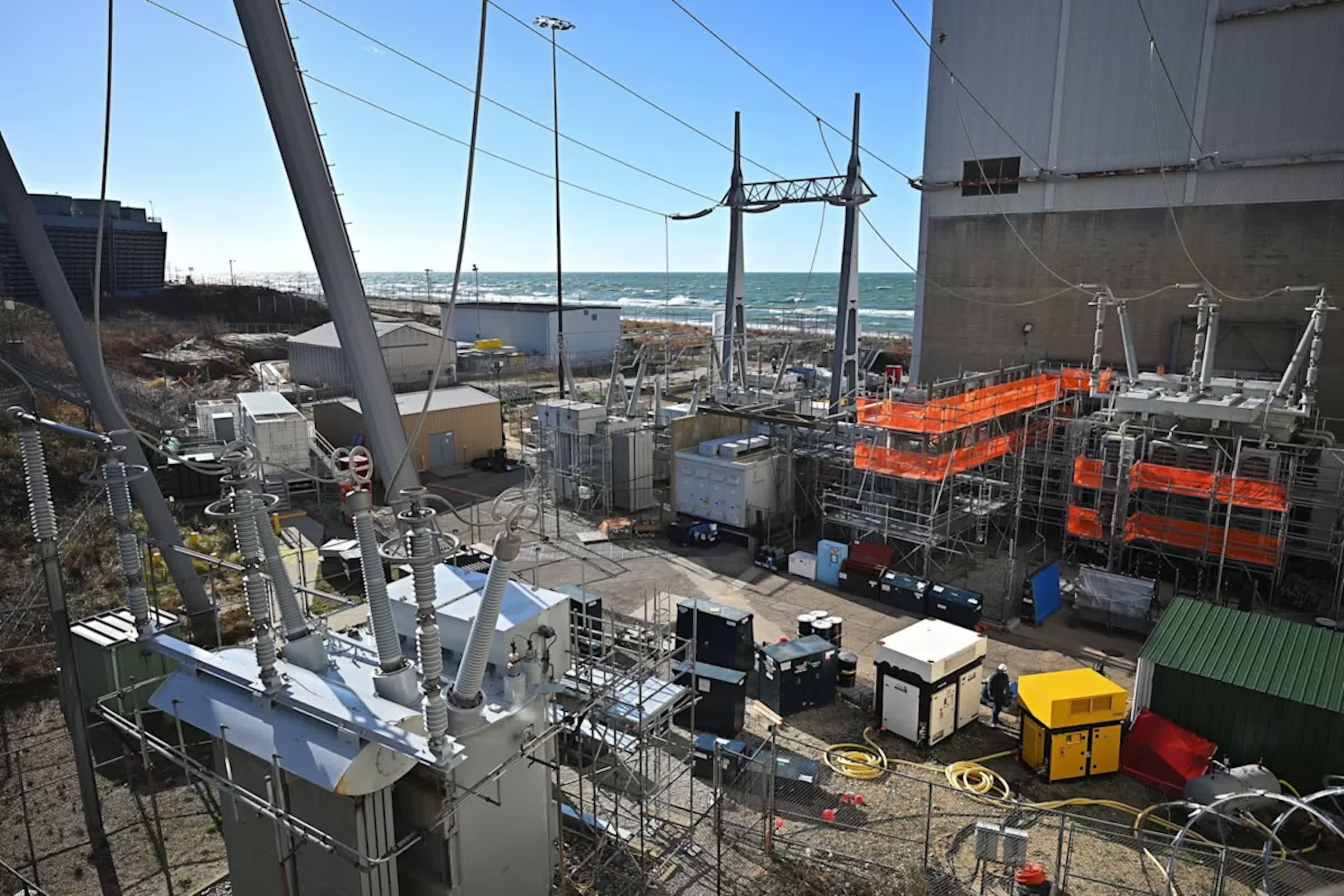
Palisades is now the opening act in a different story. Holtec shifted from dismantling to revival after securing roughly $3.2 billion in government support to restart the reactor, overhaul major systems, and subsidize the rural utilities that will buy its power.
The plan also calls for building two small modular reactors on the site, lifting total output to about 1,400 megawatts – enough to supply around 1.4 million households.
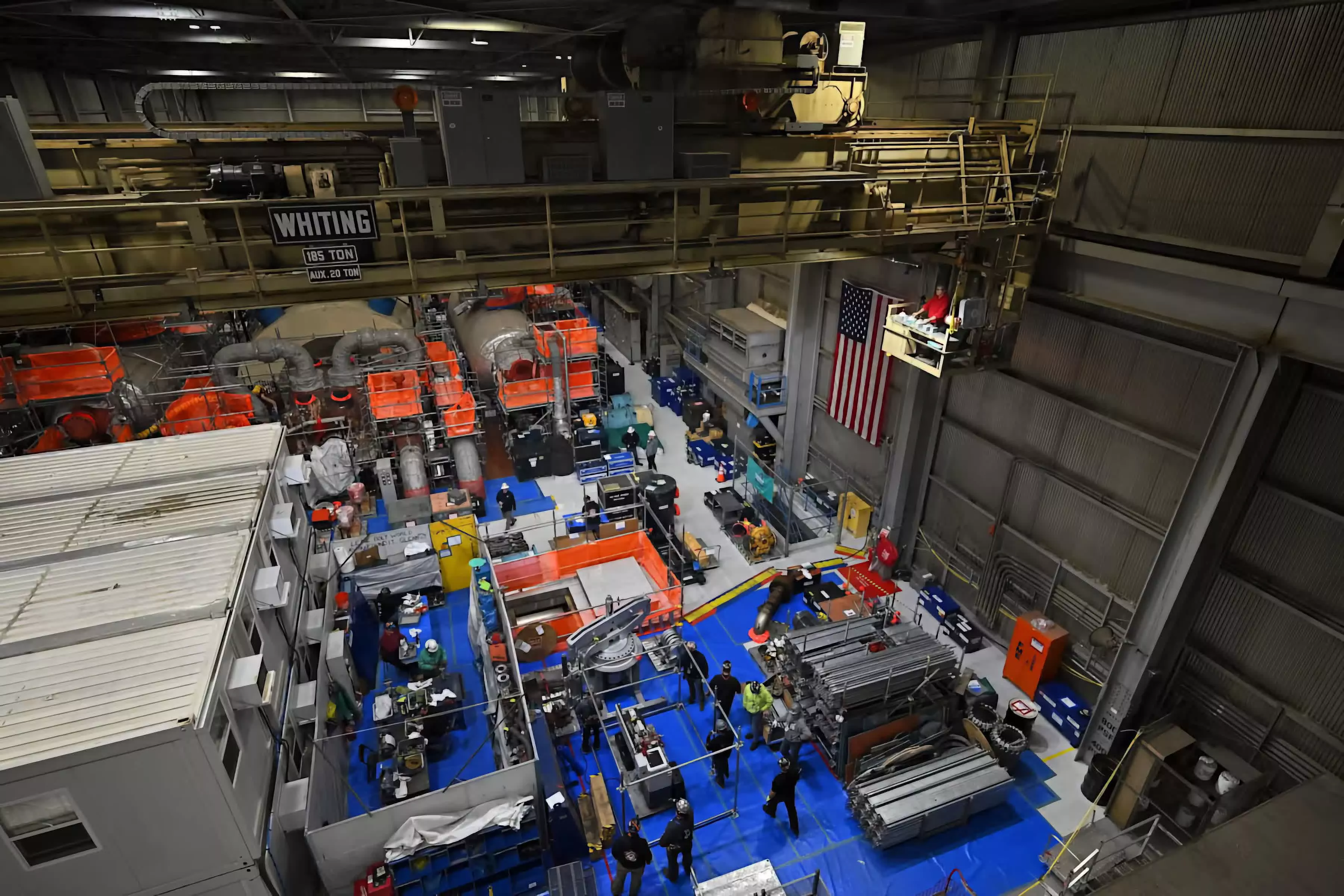
Executives argue that reopening Palisades has effectively created the first regulatory pathway for taking a US commercial plant from shutdown back to operation, a template now being applied at the Duane Arnold facility in Iowa and at Three Mile Island in Pennsylvania.
For hyperscalers, nuclear's appeal is straightforward. Unlike wind and solar, reactors deliver continuous baseload output, and they do so without carbon emissions. The logic is that long-lived, high-capital assets such as reactors match the profile of hyperscale infrastructure, provided that regulators and financiers can be persuaded to share the risk.
Just this week, Meta underscored that logic by signing multiple agreements to secure more than 6 gigawatts of nuclear power for its future data-center buildout, according to Bloomberg – enough electricity to supply roughly 5 million homes. The deals make Meta the largest corporate purchaser of nuclear power among the AI hyperscalers.
In Washington, the Trump administration has turned that logic into a national program. President Donald Trump has pledged to slash regulations and steer tens of billions of dollars into reopening existing plants and building new ones, casting nuclear as essential to "win" the AI race.
In May, he set a goal of quadrupling US atomic capacity by 2050, a target that implies commissioning around 15 gigawatts of new nuclear power each year from 2030 to 2050, compared with a peak of 10.5 gigawatts in 1974. To prime the pump, the administration struck an $80 billion partnership with private equity group Brookfield and Westinghouse, centered on constructing eight large-scale AP1000 reactors in the US.
The recent track record, however, is sobering. Vogtle units 3 and 4 in Georgia – the first new large-scale reactors built in the US in decades and the first domestic deployment of the AP1000 design – entered service in 2023 and 2024, each about 7 years late and together roughly $18 billion over budget.
Construction costs for the project climbed to around $15,000 per kilowatt, about five times those in South Korea and well above costs in China, India, and France. Those overruns have translated directly into higher customer bills, adding more than $500 a year to typical electricity costs since 2022 and fueling a political backlash that saw two Republican members of Georgia's Public Service Commission lose their seats.
Westinghouse, weighed down by losses linked to Vogtle and other projects, filed for Chapter 11 bankruptcy in 2017. That experience has made utilities cautious about taking on the financial and reputational risk of new large reactors.
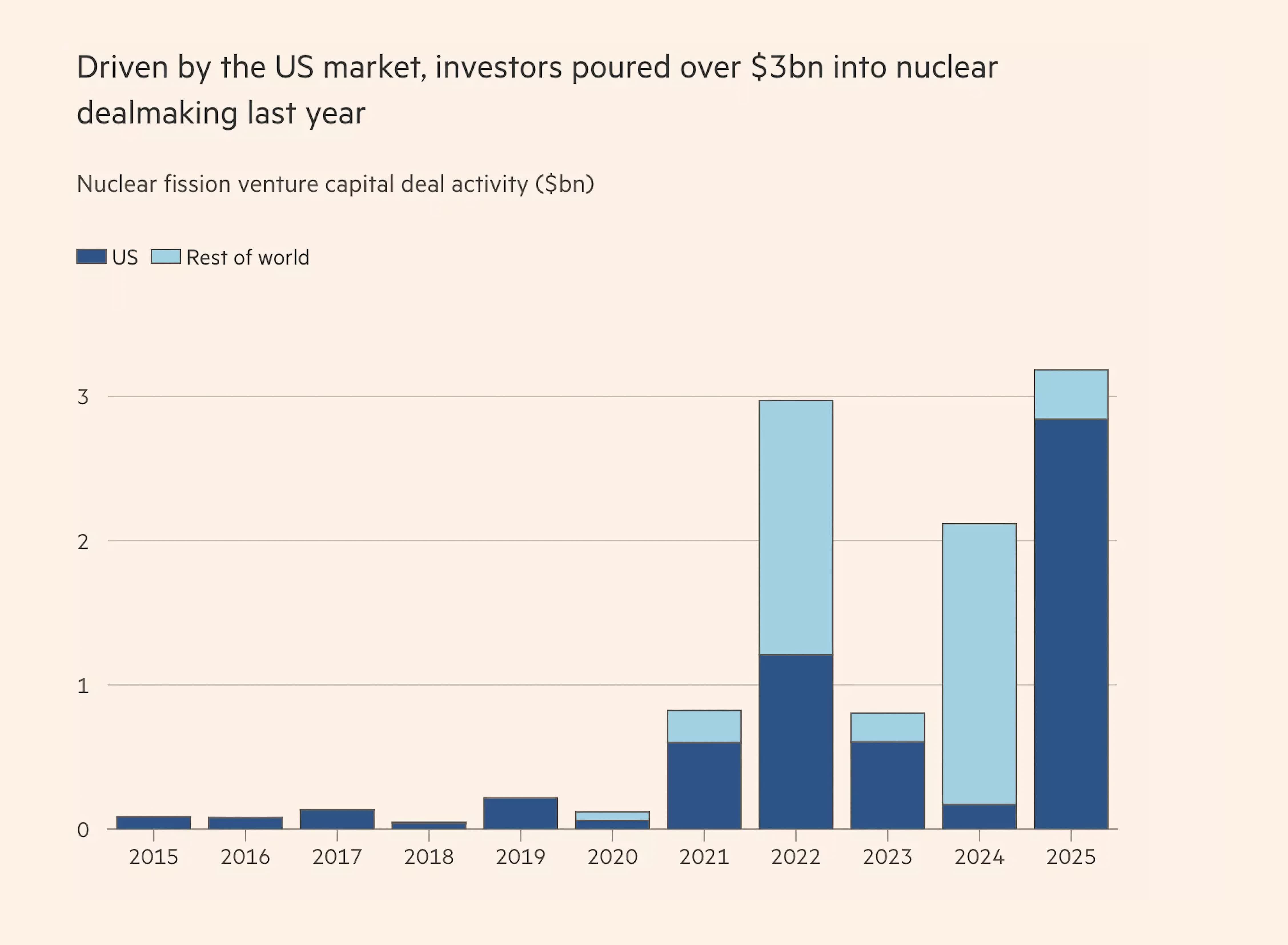
Equity and infrastructure investors are betting that a different class of technology could change that equation: small modular reactors. In 2025, private investors put a record $3 billion into SMR startups developing designs that typically deliver one-third or less of the output of a large reactor but are intended to be built as factory-fabricated modules and shipped to the site.
Supporters argue that SMRs reduce project risk by standardizing components, lowering per-unit capital requirements, and allowing capacity to be added incrementally rather than through single, multibillion-dollar bets.
Analysts say that if they can clear regulatory and technical hurdles, such reactors could play a significant role in what Trump has called a nuclear renaissance, especially near data center hubs where land, cooling water, and transmission are already in place.
But the technology is not yet proven in the field. More than 50 SMR designs are under development in the US, and only one company, NuScale, has design approval from the Nuclear Regulatory Commission. None has obtained an operating license, let alone entered commercial service.
The push to accelerate approvals is reshaping the regulator itself. The Trump administration has moved to fast-track licensing and to reform what it describes as a "risk-averse" culture inside the NRC. That has drawn criticism from former commissioners and staff who warn that an ongoing loss of experienced personnel could lengthen reviews while also undermining safety.
Analysts such as Julien Dumoulin-Smith of Jefferies question whether utilities will load more high-cost generation onto customer bills at a time when affordability is already a major political issue, arguing that the real question is whether data center operators will step up to underwrite multi-billion-dollar projects if the federal government does not.
Others see a rare alignment of market and policy forces. Adam Stein, director of nuclear energy innovation at the Breakthrough Institute, told The Financial Times that, "this is the best market we have ever seen for nuclear financing with government tax breaks, loans, surging energy demand and private investment." He contrasts the current moment with the last attempted nuclear revival in the mid-2000s, which was undercut by the fracking boom, stagnant demand, and the Fukushima accident. In his view, the underlying conditions now favor "rapid growth in the US nuclear fleet."
Masthead graph credit: The Financial Times
Big Tech's AI boom is reviving America's nuclear power debate


