
Forward-looking: Display manufacturer BOE recently showcased what might become the first widely available panel to support 120Hz at 8K. While other technical details, such as the cables used to achieve the necessary bandwidth, remain unclear, the panel is expected to enter mass production later this year, at which point it will be available to display manufacturers.
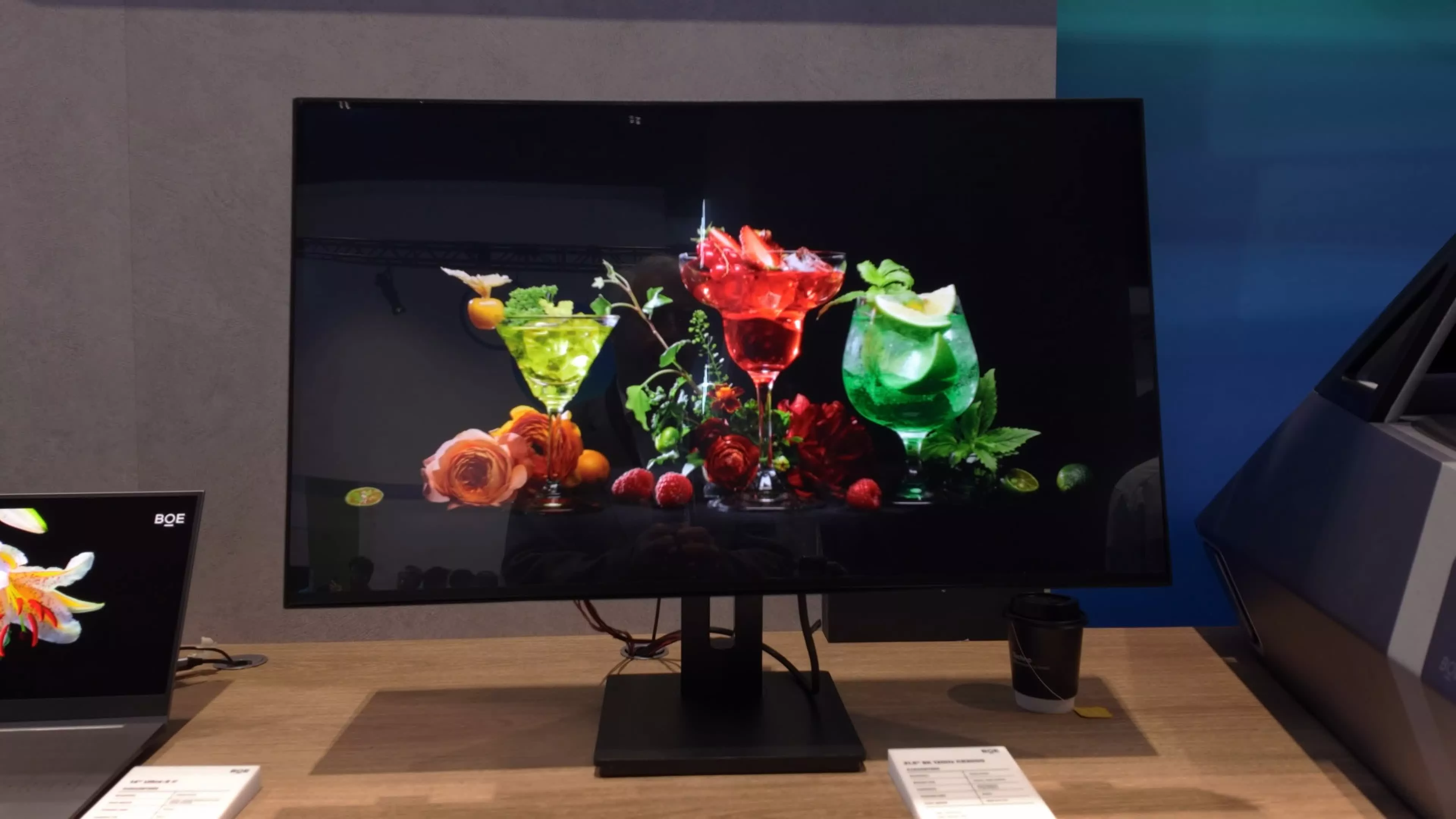
The 8K Association spotted the 31.5-inch screen during this year's SID Display Week event in Los Angeles. However, the only other detail the company shared is that the panel supports dual-mode operation, allowing users to switch to a 4K 240Hz setting, which is already common in high-end monitors.
Recent years have borne witness to a high-refresh-rate arms race between display manufacturers, including BOE, which demonstrated a 600Hz laptop in 2022. Samsung Display recently unveiled the first mass-market screens that exceed 500Hz in 1440p, and the latter boasts 720Hz at lower resolutions.
However, interest in 8K has recently waned. Sony announced it was ceasing production of 8K TVs last month, having not launched any new models since 2022. Although 4K monitors have become relatively affordable, 8K remains rare and expensive. Dell's $4,000 UP3218KA is currently the sole model available on Newegg and PCPartPicker.
The most obvious reason for this dearth of 8K displays is that hardly anyone produces native content in this resolution. Streaming services will likely stick to 4K for the foreseeable future, and Dell's monitor is primarily designed for photographers and video editors.
However, depending on the user's graphics card, certain PC games are playable in 8K, especially with upscaling enabled. At the NAB event last month, Samsung demonstrated Horizon Forbidden West running at 8K 120Hz on a custom-modified display by applying FSR3 to a still-impressive 5K image. Nvidia also recommends DLSS Ultra Performance mode for 8K displays.
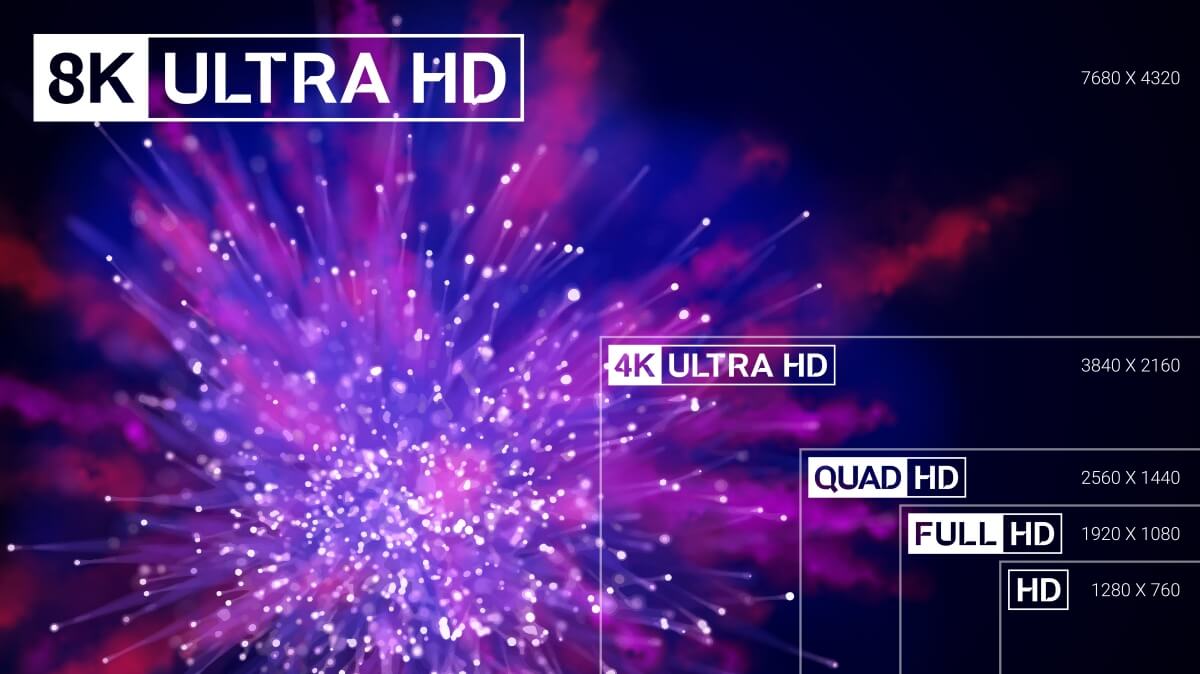
Cable bandwidth is another obstacle. The most advanced standards that are widely available, HDMI 2.1b and DisplayPort 2.1, only support 8K at 60Hz. However, at CES in January, the HDMI Forum unveiled HDMI 2.2. Using new cables with up to 96Gbps of bandwidth, they support 8K 240Hz, 4K 480Hz, 10K 120Hz, and 16K at lower refresh rates.
The forum stated that the new standard would become available in the first half of 2025, so it might be an option for manufacturers using BOE's new panel. Sumitomo Electric also introduced an 8K 120Hz active DisplayPort cable at Display Week.
BOE unveils 8K 120Hz panel with 4K 240Hz dual-mode support for high-end monitors


