What just happened? Tesla faces a potential 30-day suspension of its vehicle sales license in California after regulators accused the company of misleading consumers about the capabilities of its Autopilot and Full Self-Driving systems. The California DMV said the suspension will not take effect for 90 days, allowing the automaker to appeal or bring its marketing into compliance.
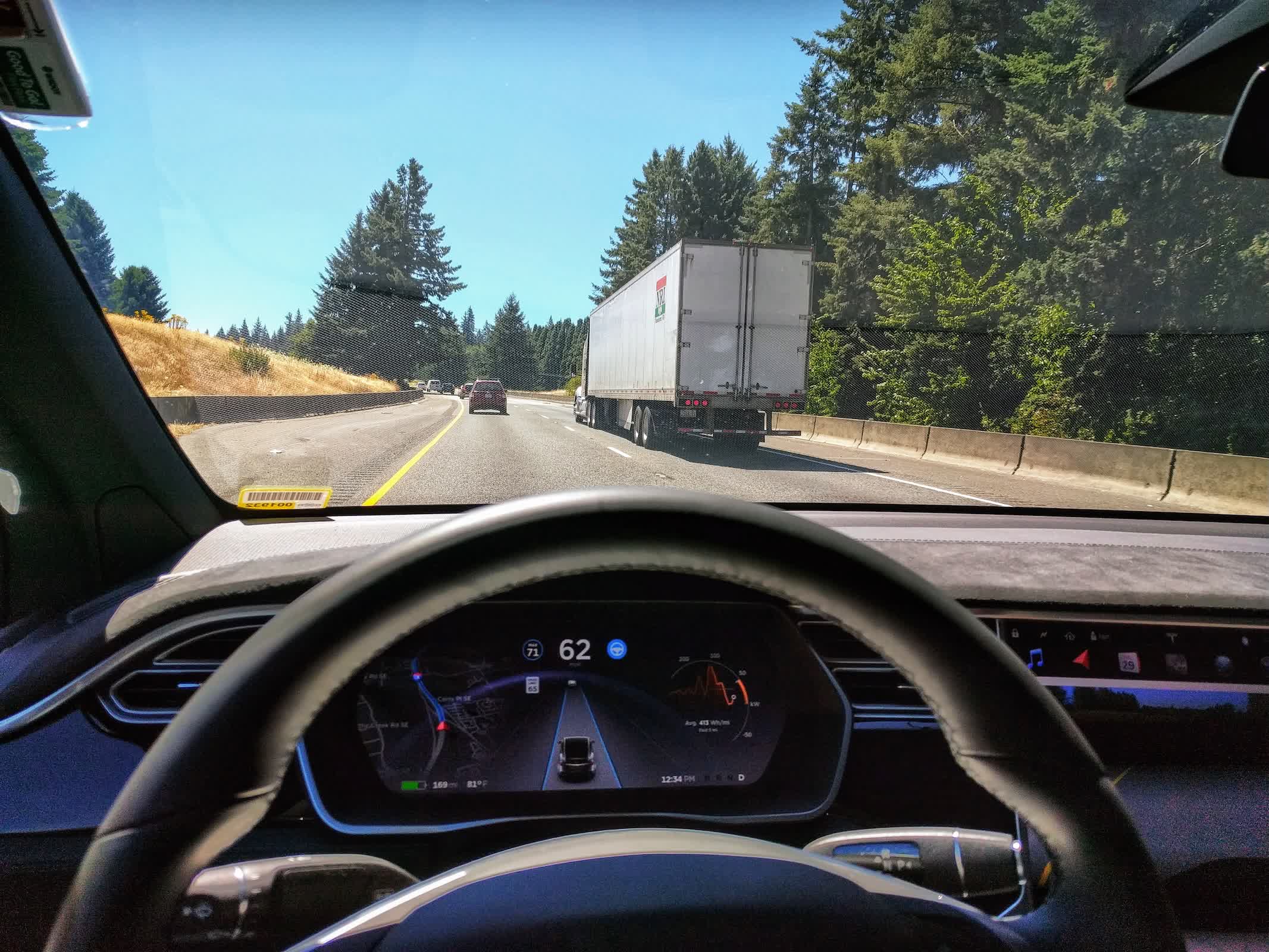
The move is one of the state's toughest actions yet against a major electric vehicle manufacturer. It adds another layer to Tesla's long-running regulatory and legal challenges over how it promotes its automated driving software.
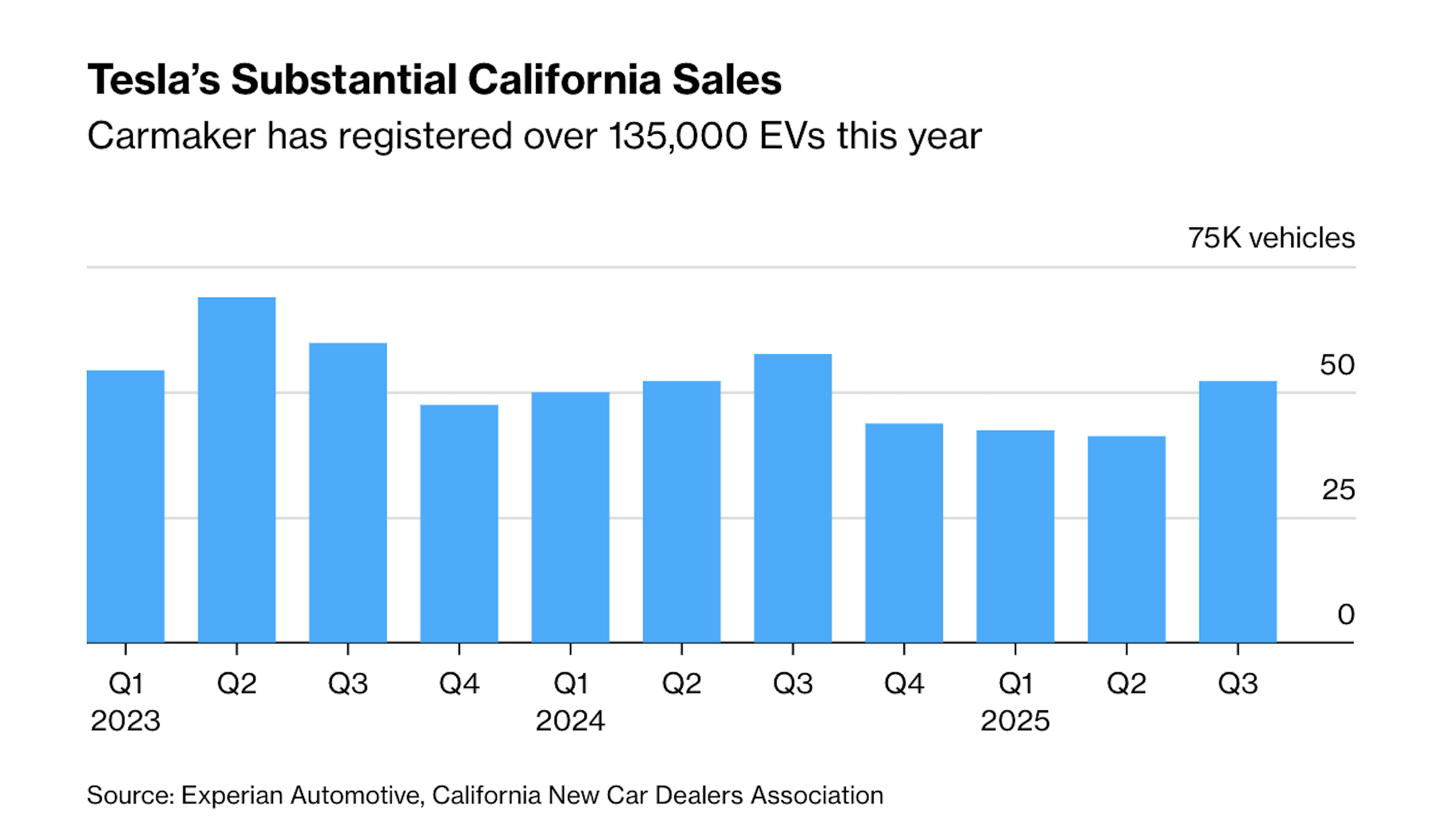
California, the largest car market in the US and home to the country's heaviest concentration of EV buyers, has been central to Tesla's growth. The company registered more than 135,000 new vehicles in the state during the first nine months of the year – about 11% of its global deliveries for that period.
The California DMV alleges that Tesla violated state law with advertising in 2021 and 2022 that made "untrue or misleading statements," such as claims that its vehicles could perform trips of any length "with no action required in the driver's seat."
Regulators said Tesla's vehicles "could not at the time of those advertisements, and cannot now, operate as autonomous vehicles."
Steve Gordon, director of the California DMV, told reporters that the agency is not attempting to ban Tesla vehicles but to require accurate labeling of its technology. "We're really asking Tesla to do their job, as they've done in other markets, to properly brand these vehicles," Gordon said. He added in a statement that the company could take "simple steps" to resolve the issue.
An administrative law judge recommended suspending both Tesla's dealer and manufacturer licenses for 30 days following a five-day hearing in July. That recommendation included Tesla's Fremont manufacturing license – covering a factory capable of producing more than 650,000 vehicles annually – but regulators opted to delay enforcement while the appeal period proceeds.
Tesla has argued that its marketing is constitutionally protected speech and that regulators are misinterpreting its communications. Attorneys for the company contended that the DMV took isolated statements out of context and did not adequately account for Tesla's repeated warnings that drivers must remain attentive when using Autopilot or Full Self-Driving.
The California action is part of a broader wave of government oversight targeting Tesla's automation claims. The company has been the focus of multiple investigations and lawsuits over how its driver-assistance systems perform and how they are described to consumers.
The National Highway Traffic Safety Administration continues to investigate both Autopilot and Full Self-Driving after ordering a recall of nearly 2 million vehicles in 2023. The agency said at the time that Tesla's driver-assistance tools did not adequately prevent misuse.
NHTSA has kept that inquiry open to evaluate whether Tesla's software update effectively addressed the issue. The agency is also examining reports of Tesla vehicles allegedly violating traffic laws and of several crashes linked to FSD, including one fatal incident.
In August, Tesla lost its first major civil case related to Autopilot when a Miami jury ordered it to pay $243 million in damages, finding the system partly responsible for a fatal crash.
Despite these setbacks, CEO Elon Musk has maintained that Teslas are "the safest cars ever made" and that the company's future depends on its push toward full vehicle autonomy. Earlier this week, Musk announced that Tesla had begun testing self-driving capabilities on Austin roads without any occupants.
The case could serve as a benchmark for how US regulators handle claims of vehicle autonomy. The DMV's proceedings, conducted through California's Office of Administrative Hearings, differ from conventional civil or criminal court cases but still require a judge's review of evidence from both sides.
Disciplinary actions of this kind against major automakers are rare but not unprecedented. In 2023, the same department revoked General Motors' license to operate its driverless-car subsidiary, Cruise, after one of its vehicles dragged a pedestrian who had been hit by another car in San Francisco.
Tesla warned that curtailing its ability to sell or assemble cars in the state could have major economic ripple effects. The company employs more than 33,000 people in California, including those at its Fremont production plant and about 60 storefronts and galleries statewide.
Industry analysts said the ruling could reverberate beyond California. Haris Khurshid, chief investment officer at Karobaar Capital, told Bloomberg that slower regulatory approval of Tesla's autonomy claims could delay revenue tied to its artificial intelligence ambitions. "If regulators slow Tesla's autonomy claims there, it directly affects how fast the AI story turns into real revenue," Khurshid said. "Tesla can still win long-term, but rulings like this widen the gap between hype and deployment."
Graph Image credit: Bloomberg
California threatens to halt Tesla sales over Autopilot marketing


