CATL says its new EV battery can recharge from 10% to 98% in six minutes

Alfonso Maruccia

Posts: 2,515   +935
Staff
Editor's take: While major automakers and Western governments remain entangled in geopolitical struggles tied to fossil fuels, Chinese companies continue pushing aggressively on EV technology. After rising to become the world's largest EV battery supplier, CATL is now claiming major progress on one of electric vehicles' most persistent friction points: charging speed.
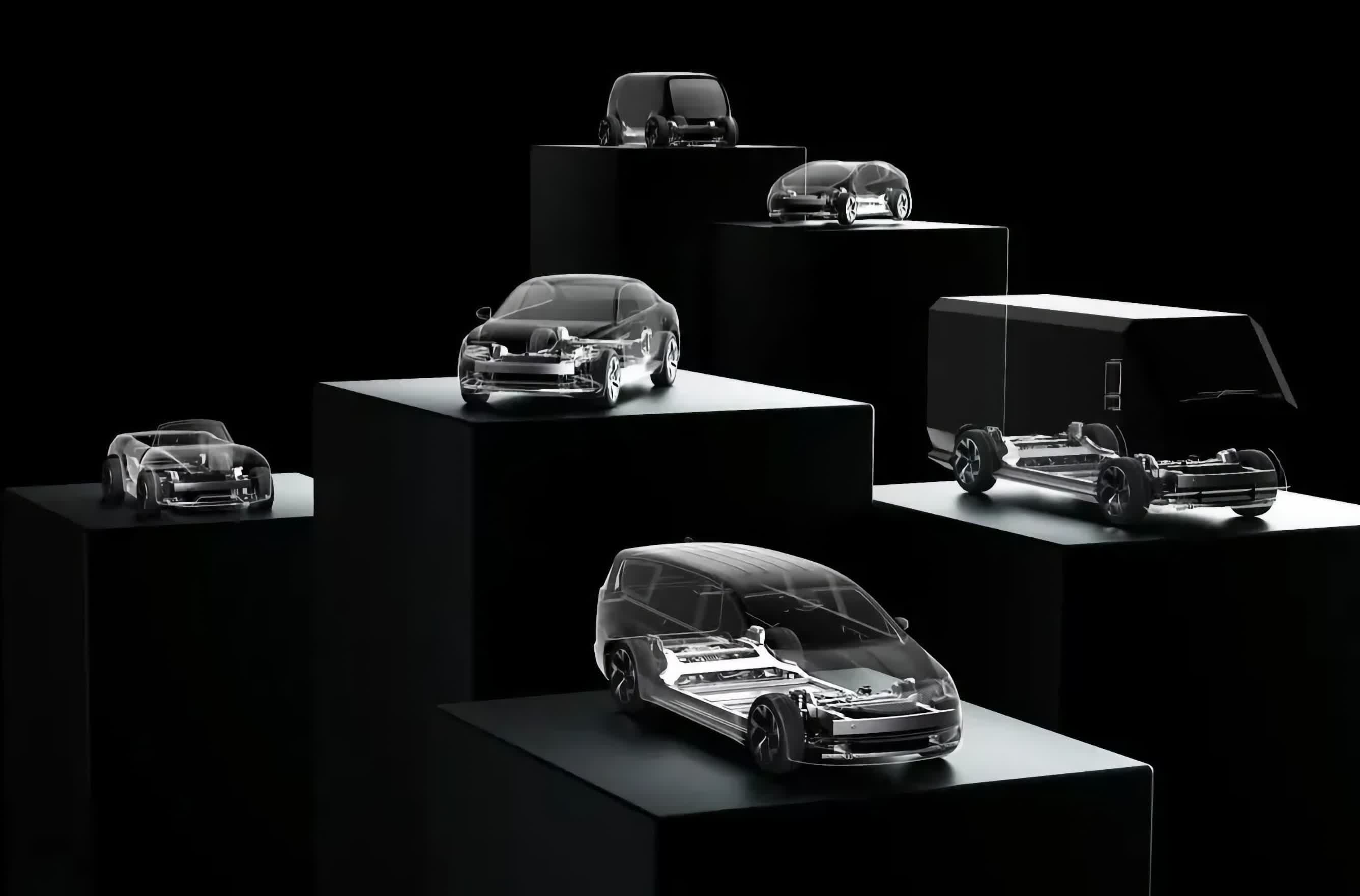
CATL recently unveiled its new battery technology, promising improvements in some of the most difficult tradeoffs in EV performance. Its third generation Shenxing battery can be recharged almost fully in around six minutes, while also maintaining stronger efficiency in low temperatures and harsh weather.

CATL's new Shenxing is a lithium iron phosphate (LFP) battery aimed at competing with BYD and other major battery makers. The company claimed in 2025 that it could add 520 km of range in just five minutes of charging. It is now pushing beyond that. The new battery reportedly charges from 10% to 98% in six minutes and 27 seconds, faster than BYD's Blade Battery 2.0.
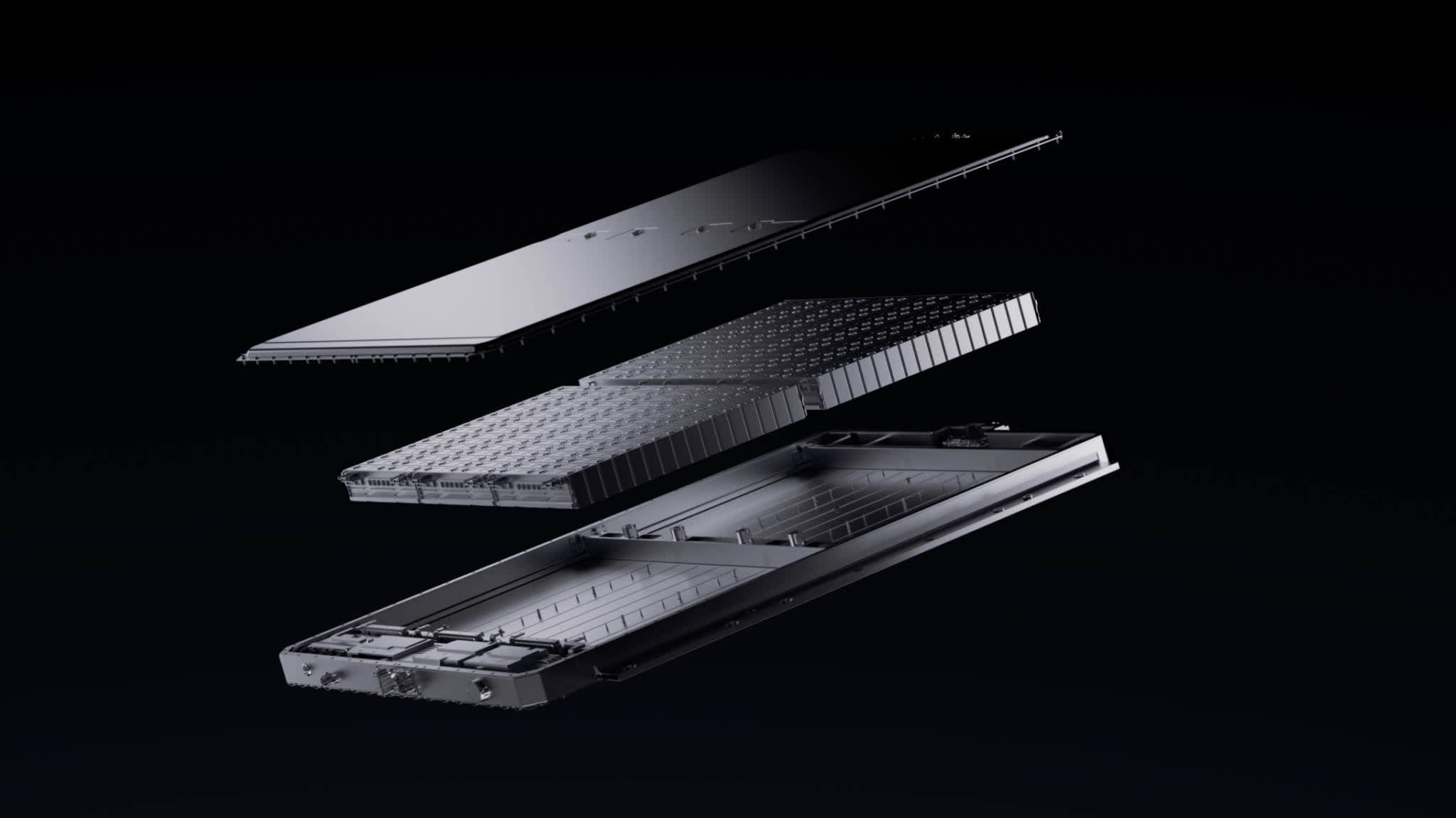
For drivers unwilling to wait even that long, CATL says Shenxing can move from 10% to 35% in one minute. It can also reach 80% in three minutes and 44 seconds. Charging performance drops somewhat in colder conditions, though the company says it still reaches 98% in nine minutes at -30°C.

CATL says this unprecedented charging performance comes from achieving what it describes as the world's lowest internal resistance for ultra-fast charging, 0.25 milliohms, or 50% below the industry average. Other advances include Cell Shoulder Cooling Technology, which improves cooling efficiency by 20%, alongside a temperature sensing system designed to monitor each individual cell with high precision.

The Shenxing 3rd Gen also employs a self-heating system using rapid heating pulses to improve charging in cold conditions. CATL says the battery will retain 90% of its health after 1,000 ultra-fast charging cycles.

The company also continues to offer battery swapping, though the case for that approach may weaken if charging speeds reach this level.
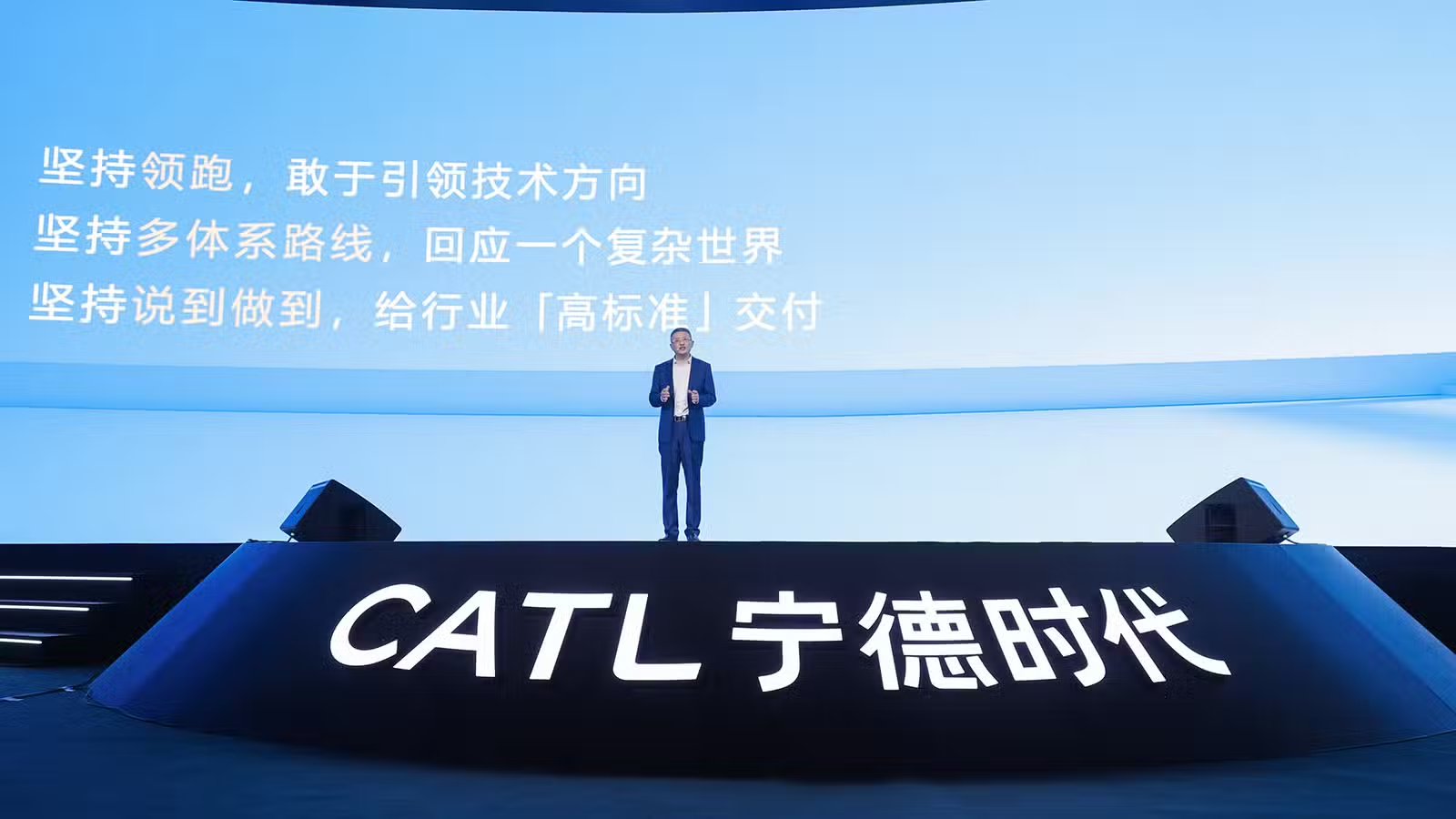
During its Tech Day event, CATL also introduced the third generation of its Qilin lithium battery. The mythology-inspired ternary design matches Shenxing 3rd Gen charging speeds in a lighter package, while offering over 1,000 km of range and a volumetric energy density of 600 Wh/L.

According to recent market data, CATL remains the world's largest power battery supplier with a 48.3% share. BYD and CALB rank second and third at 17% and 5.9%, underscoring how decisively Chinese manufacturers now dominate the EV battery market.

Permalink to story:

 
The current middle east conflict shows why EVs are about national security, not the environment. They could also be more reliable than ICE vehicles if manufacturers would stop microchips in everything and forcing you to goto the dealership to replace a lightbulb. The world is so anti consumer it's ridiculous and the propaganda networks have convinced us it's better this way. Meanwhile, the US is getting left behind in everything that ISN'T AI and AI is a ticking time bomb waiting to crash the world economy
 
The current middle east conflict shows why EVs are about national security, not the environment. They could also be more reliable than ICE vehicles if manufacturers would stop microchips in everything and forcing you to goto the dealership to replace a lightbulb. The world is so anti consumer it's ridiculous and the propaganda networks have convinced us it's better this way. Meanwhile, the US is getting left behind in everything that ISN'T AI and AI is a ticking time bomb waiting to crash the world economy
Bad news for ya: where do you think the natgas running your grid comes from?
 
Bad news for ya: where do you think the natgas running your grid comes from?
It comes from fracking, as someone from the northeast US im familiar with the subject. The thing is that the US is both the biggest producer and biggest importer of oil products in the world.
Are you a European? This sounds like communism talking.
Please tell me what on earth EVs what to do with communism. I'm pro US independence and we have been giving dominance over the world economy to China for the last 50 years.
 
Please tell me what on earth EVs what to do with communism. I'm pro US independence and we have been giving dominance over the world economy to China for the last 50 years.

Pro-consumer is anti-producer. You don't seem very grateful to the job creator class at all. Have you even said thank you to your car manufacturer yet?
 
Pro-consumer is anti-producer. You don't seem very grateful to the job creator class at all. Have you even said thank you to your car manufacturer yet?

Yeah, with a fat wad of cash for this microchipped adhesive plastic sandwich of a modern car, which delivers more value to insurance companies via telemetry.
 
The current middle east conflict shows why EVs are about national security, not the environment.
Not while the US is the world's largest oil producer, yet depends utterly on China for solar panels and windmill components.
 
Personally, I just want to see batteries that will last longer than they do today. And I know for sure, when battery makers begimn to offer longer warranties, we will enter into the next stage of battery evolution.
And it will be very good for second-hand EV owners. And frankly, there should be a bigger push in this direction, rather than the ability to charge it in 5 minutes to 80% instead of 10 minutes.

 
I mean, if it can do that, cool only problem is charging infrastructure being a pain to be able to find a charger to achieve said performance, and then also the fact that some recent studies on lithium based batteries found that while most of the factors that were supposed to accelerate battery wear had marginal or next to no effect, rapid charging did have a noticeable effect on degradation, so its all well and good it getting 100% in 10 minutes, but not if it can only survive 500 cycles at that rate
 
Last edited:
LOL...PROVE IT!

CATL says the battery will retain 90% of its health after 1,000 ultra-fast charging cycles.
 
Not while the US is the world's largest oil producer, yet depends utterly on China for solar panels and windmill components.
The USA might be the largest "producer" of oil, but we have to send it overseas to be refined.
The oil we have here is "light" oil per se. We don't have the capacity to refine the sweet oil (as it is called). We are just now building the first oil refinery since the 70's! Plus, a lot of our refineries are aging, shut down for maintenance all the time, then have to switch to "winter blend" in the fall.
Our production would be better, and we'd be more energy independent, if we could drill, pump, refine our own oil without all of the environmentalist getting in the way.
 
I mean, if it can do that, cool only problem is charging infrastructure being a pain to be able to find a charger to achieve said performance, and then also the fact that some recent studies on lithium based batteries found that most of the factors that were supposed to accelerate battery wear had marginal or next to no effect, rapid charging did have a noticeable effect on degradation, so its all well and good it getting 100% in 10 minutes, but not if it can only survive 500 cycles at that rate
Second rate EVs market is going to become a huge problem where they simply do not sell like used ICE (praised be ICE!) cars unless the batteries get more reliable, specifically for the long run.
They cannot become a replacement for used ICE cars unless they can offer similar features, that is, relatively low repairability and relatively long longevity
 
Have they thanked the Federal government for keeping them afloat after 2008?
False narrative. Without that federal bailout, both GM and Chrysler would have gone through a restructuring bailout that kept their doors open and factories producing -- but would have allowed them to shed tens of billions of dollars of retirement-fund liabilities, as well as renegotiate more favorable terms with UAW. The bailout was a gift to the unions, not the automakers.
 
False narrative. Without that federal bailout, both GM and Chrysler would have gone through a restructuring bailout that kept their doors open and factories producing -- but would have allowed them to shed tens of billions of dollars of retirement-fund liabilities, as well as renegotiate more favorable terms with UAW. The bailout was a gift to the unions, not the automakers.
Without the bailout a number of plants would have closed, and a whole host of employees laid off. You'd have a much smaller and less competitive GM, and I highly doubt Chrysler in particular would have survived. Nevermind all the additional employees out of work due to plant closures.

And I again note: Even though it wasn't the intent, the US Government did turn a net profit on the ordeal, before even considering the money saved by not having thousands of additional people out of work.
 
Second rate EVs market is going to become a huge problem where they simply do not sell like used ICE (praised be ICE!) cars unless the batteries get more reliable, specifically for the long run.
They cannot become a replacement for used ICE cars unless they can offer similar features, that is, relatively low repairability and relatively long longevity
Well, Electric cars have fewer moving parts, and thus should always win on reliability. And we're already seeing batteries are lasting longer then they initially were thought to last.
 
Without the bailout a number of plants would have closed, and a whole host of employees laid off.
Incorrect. Chapter 11/13 reorganization bankruptcies happen on a daily basis, with the firms remaining in operation. Did you forget that, despite the government bailout, GM and Chrysler both still went bankrupt. Obama's bailout simply changed how that bankruptcy was structured -- he forced secured creditors to take the haircut, rather than the union members.

And I again note: Even though it wasn't the intent, the US Government did turn a net profit on the ordeal
Oops! That bailout ultimately cost taxpayers $9.3 billion:

 
Incorrect. Chapter 11/13 reorganization bankruptcies happen on a daily basis, with the firms remaining in operation. Did you forget that, despite the government bailout, GM and Chrysler both still went bankrupt. Obama's bailout simply changed how that bankruptcy was structured -- he forced secured creditors to take the haircut, rather than the union members.
Most bankruptcies don't involve companies with three times the debt as their total physical assets. GM/Chrysler were "well" beyond a basic restructuring, and without a line of credit the job losses would have been easily in excess of a million across all related industries.

Oops! That bailout ultimately cost taxpayers $9.3 billion:

Only if you look at direct payments, which doesn't give the whole picture. Spending $0 does not mean you lose nothing.

Taking a conservative estimate, taking into account auto suppliers and other connected industries, the government getting involved saved around 1 Million jobs worth somewhere north of ~$100 Billion of personal income. If we assume an average effective tax rate of 10%, that's $10 Billion worth of income taxes. And that's just year one.
 
Back