Court dismisses lawsuit over Disney's recreation of Peter Cushing in Rogue One

midian182

Posts: 11,614   +175
Staff member
What just happened? The strange legal fight between Disney and a 1970s horror movie production company over the CGI recreation of Peter Cushing in 2016's Rogue One: A Star Wars Story has ended. Unsurprisingly, the lawsuit has been thrown out after a judge found in favor of Disney and dismissed the claim.
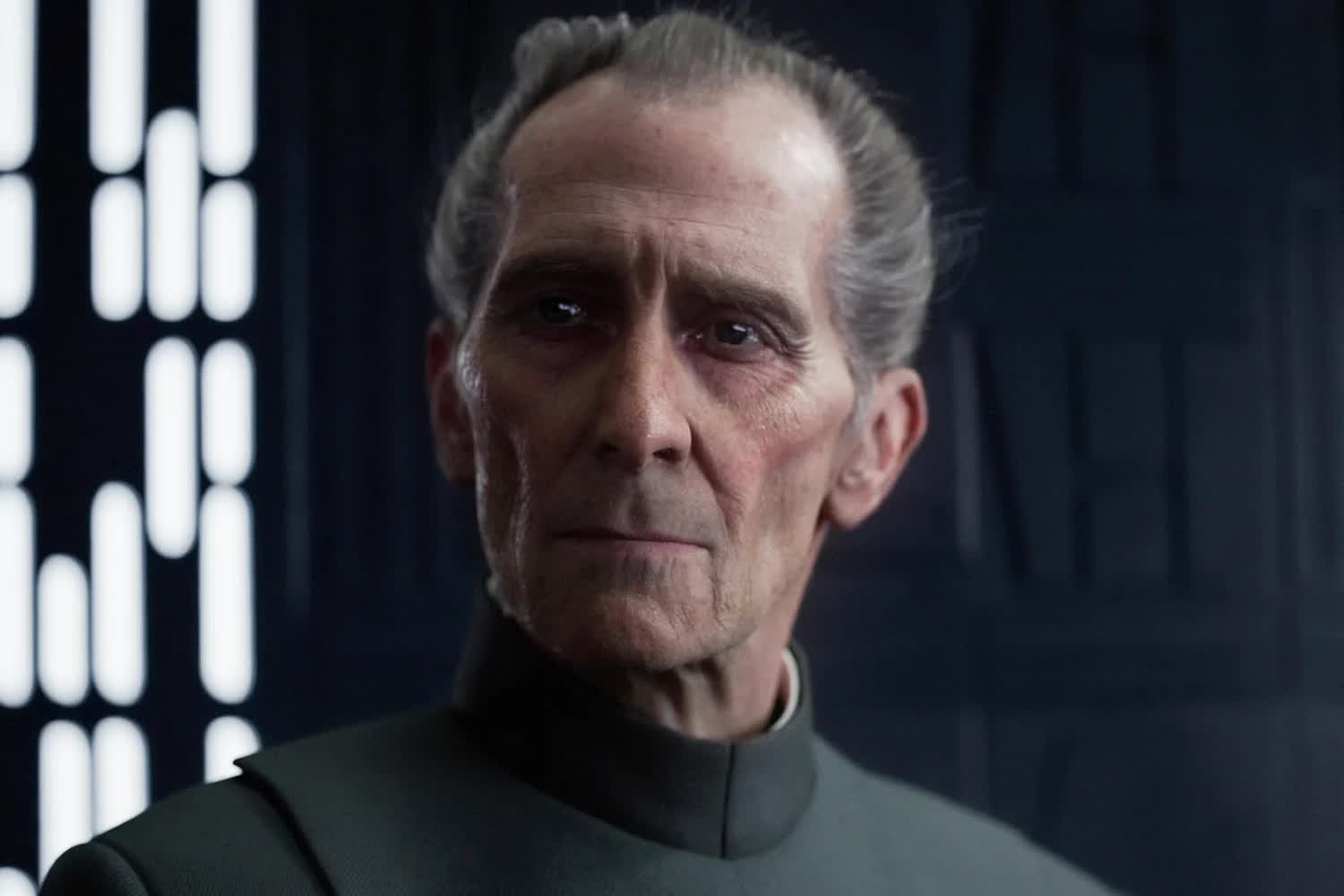
The lawsuit, which was launched in 2019, was brought by London-based film company Tyburn Film Productions, founded by Kevin Francis, one of Cushing's oldest friends. It was pursuing legal action against Disney-owned Lunak Heavy Industries, Lucasfilm, and others.

Tyburn Film Productions, which was behind The Ghoul (1975), The Creeping Flesh (1973), and Legend of the Werewolf (1975), claimed it entered into an agreement with Cushing in 1993, shortly before his death, that prohibited the use of his likeness using special effects without consent.

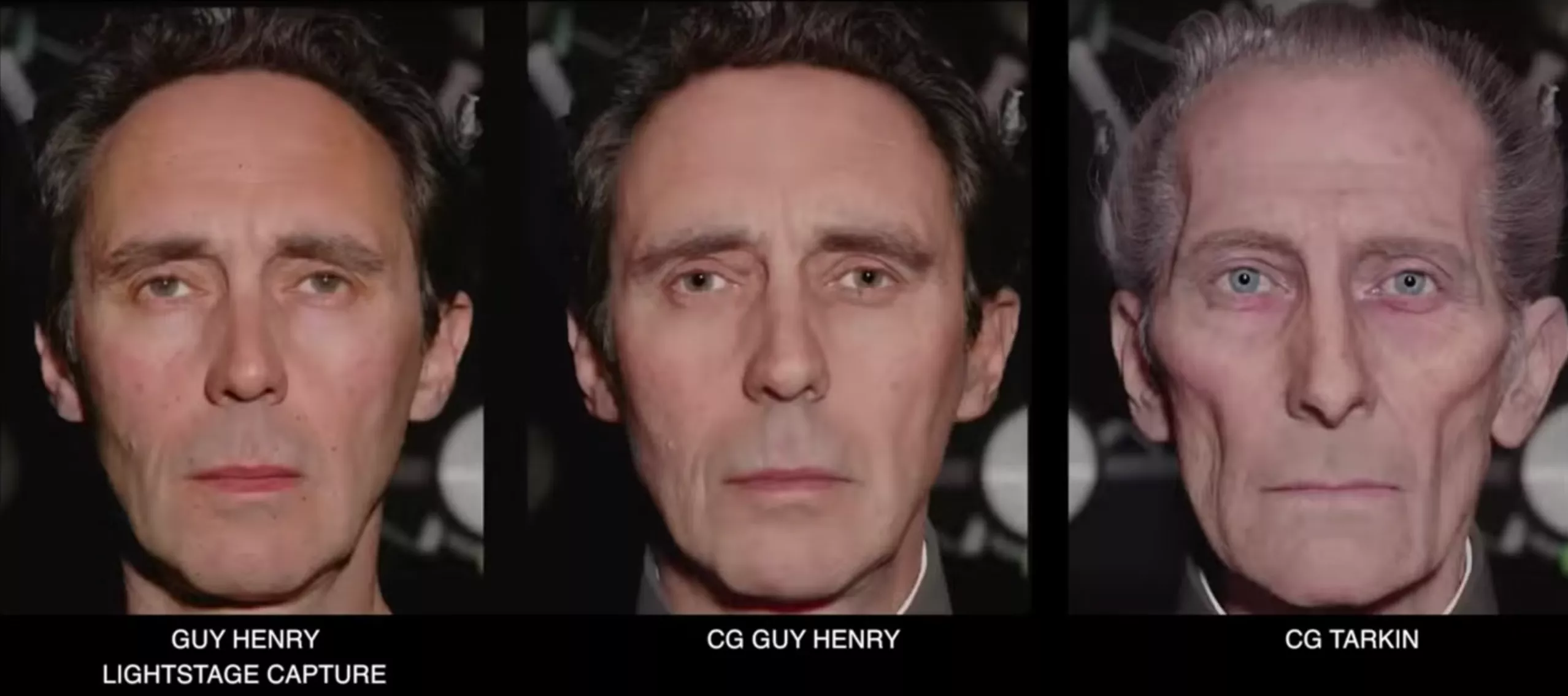
As a reminder, Rogue One used CGI to recreate Cushing's Grand Moff Tarkin character. The horror icon, who played Tarkin in 1977's Star Wars: Episode IV – A New Hope, died in 1994 aged 81. Actor Guy Henry performed the role of Tarkin in Rogue One, with Cushing's face digitally added afterwards. Many fans say the final result has an uncanny valley effect.
Lucasfilm and Lunak Heavy Industries argued that they did not require additional permission to recreate Cushing's image, citing his original Star Wars contract. They also noted that a separate agreement had been reached with the executors of Cushing's estate, reportedly involving a payment of around $36,000 to license the late actor's likeness for use in Rogue One.

Tyburn, however, claimed that its alleged 1993 agreement entitled it to at least £180,000 (roughly $250,000) for any CGI reuse of Cushing's likeness, regardless of any deal struck with the estate.

In December 2023, a UK court rejected a bid by Lucasfilm and Lunak Heavy Industries to have the claim dismissed. Now, however, the UK High Court has rejected Tyburn's argument, ruling that it had no legal standing and no enforceable rights over Cushing's image, and was therefore entitled to no compensation.

In dismissing the case, the judge concluded that any rights connected to Cushing's likeness rested with his estate rather than with a third-party production company. The decision brings an end to one of the most closely watched legal challenges involving the digital recreation of a deceased actor, reinforcing the industry's current understanding of how posthumous likeness rights are handled.

While Disney now faces no further legal challenge over Cushing's appearance in Rogue One, the case has continued to fuel debate over consent, compensation, and the ethics of digitally resurrecting performers for modern filmmaking.

Permalink to story:

 
The ugliest thing possible. Film industry out of their minds if they think bringing deceased back on screen somehow ok. It is not and only shows complete lack of decency of everyone involved.
 
The ugliest thing possible. Film industry out of their minds if they think bringing deceased back on screen somehow ok. It is not and only shows complete lack of decency of everyone involved.
I totally reject your claim. These roles were correctly done and needed the image of the previous charactor to make sense.

Next you will be complaining they made luke disgustingly young in mando series 3. Then complain about using makeup.

They had permission from his family and thats all they should need.

Moving into the era of AI people, actors might have a finite job.
 
I totally reject your claim. These roles were correctly done and needed the image of the previous charactor to make sense.

Next you will be complaining they made luke disgustingly young in mando series 3. Then complain about using makeup.

They had permission from his family and thats all they should need.

Moving into the era of AI people, actors might have a finite job.
That’s more about morals than entitlement. Where morals ends begins Roman Coliseum gladiator fights and animals tearing humans apart. Decay starts with “why not”.
 
The ugliest thing possible. Film industry out of their minds if they think bringing deceased back on screen somehow ok. It is not and only shows complete lack of decency of everyone involved.
If the estate agrees to the recreation and is compensated fairly I don't have a problem with it. The decision should rest with the estate. If someone doesn't want to be recreated in that manner they can expressly prohibit in the will and the estate will have to follow that prohibition.
 
Imagine buying and using someone's likeness indefinitely after they die, just to boost your company's profits. Disney has essentially circumvented this man's mortality like some sick kind of corpse puppet dancing for money.
 
Imagine buying and using someone's likeness indefinitely after they die, just to boost your company's profits. Disney has essentially circumvented this man's mortality like some sick kind of corpse puppet dancing for money.
Which you could say every time an old classic movie is played.
 
Hopefully in the future when actors perform a role there will be a clause in their contract (that they can agree to or not) to state whether their likeness can be generated for further films as the same character subject to their approval or being dead etc. I imagine, given the way the world is going, something like this is now done?
 
I'm looking forward to all AI actors so that whiny humans can't keep demanding money long after someone has died. It is 100% fine to use people's likeness after they're dead. I would love it if you'd make movie after movie with me in it after I die, and you don't need to put dollars on my grave to compensate anyone. Dead people stop having rights.
 
Hopefully in the future when actors perform a role there will be a clause in their contract (that they can agree to or not) to state whether their likeness can be generated for further films as the same character subject to their approval or being dead etc. I imagine, given the way the world is going, something like this is now done?

You know how this will go. A few legacy greats will have exceptions for a while. New and upcoming actors who don't agree will simply not be cast. But we won't need to bother with real actors for much longer anyway.
 
Imagine buying and using someone's likeness indefinitely after they die, just to boost your company's profits. Disney has essentially circumvented this man's mortality like some sick kind of corpse puppet dancing for money.
Ultimately society at large will be the final arbiter. The money incentive only exists if society buys the product. Which tells you how this will probably end up. Oh, and by the way, there seem to be numerous living actors willing to dance for money long past their "Best when used before date."
 
Back