Decade-long study suggests retrobrighting might do more harm than good

Shawn Knight

Posts: 15,859   +203
Staff member
Connecting the dots: Anyone that's owned a light-colored game console like the Super Nintendo or Sega Dreamcast since their heyday (or picked one up recently) is likely familiar with discoloration. Originally, it was thought that prolonged exposure to direct sunlight or even sitting in an environment where people smoked would cause the plastics on these systems to yellow. Nowadays, the leading theory is that fire-retardant chemicals laced with bromine – applied during manufacturing – are responsible for the eventual color change.
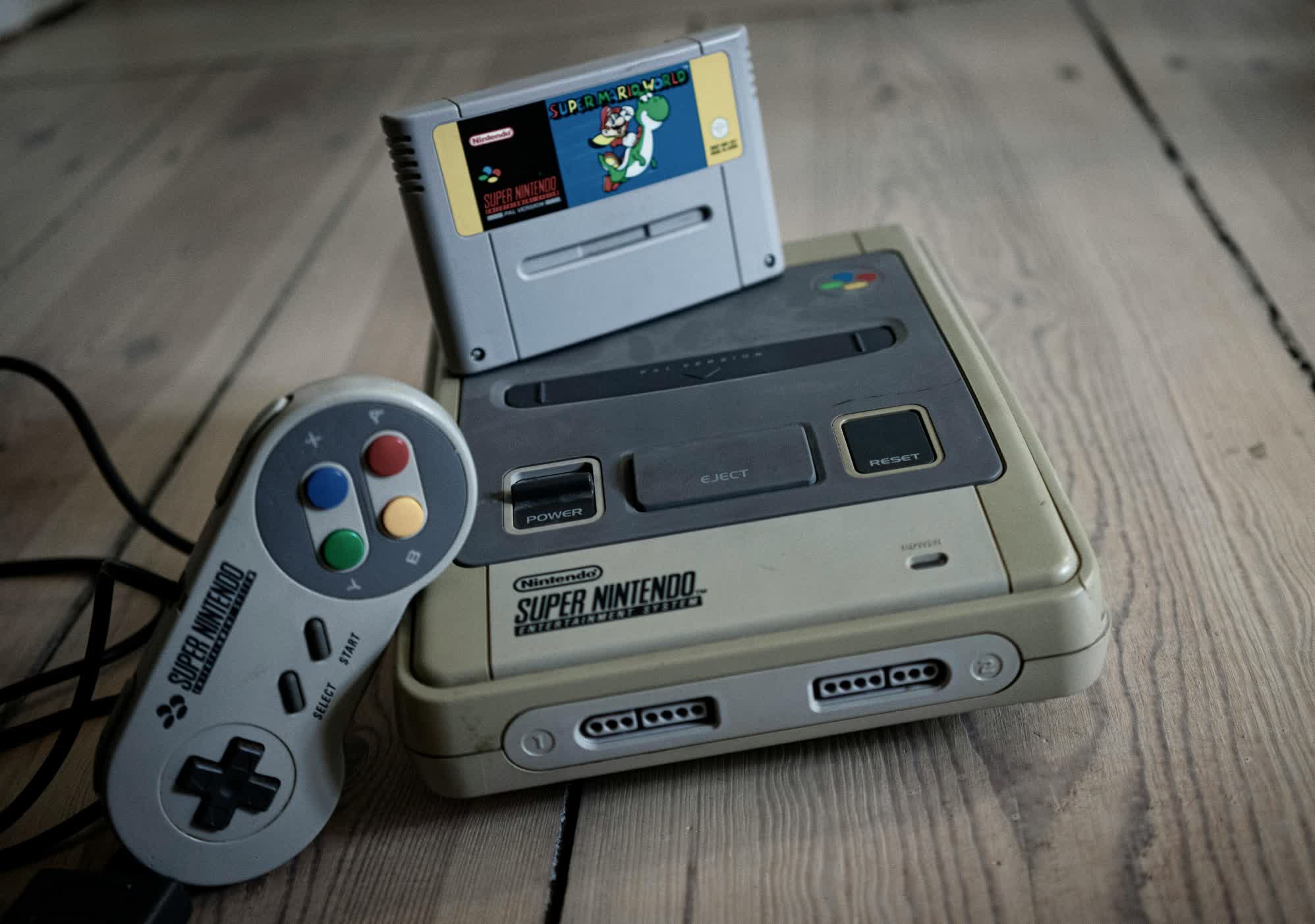
Retro gamers have experimented with various methods over the years to try and reverse the damage with mixed results. One popular process, retrobrighting, was the focus of an informal test carried out by YouTuber Tech Tangents over the past decade.

In 2015, the enthusiast used a hydrogen peroxide cream solution to try and reverse the yellowing on an old Dreamcast console. Once complete, he set the shell aside and more or less forgot about it for 10 years. So, what happened? Well, in the modder's own words, the results were so bad that he would recommend no one ever retrobright anything.

As you can see in the video, the peroxide cream method can produce inconsistent results, especially if the coating is applied unevenly. Streaking was evident in several sections, and even areas that had been "properly" treated were still yellowing after all these years. Worse yet, sections that had been masked off and not treated actually look better today than the treated regions.

In summary, retrobrighting – at least, with regard to the decade-old method highlighted here – actually made things worse in the long run. We also don't know what sort of impact the technique had on the chemical makeup of the plastic – for example, is it more brittle than before?

Keep in mind, of course, that we are dealing with very small sample size and an experiment that was more by accident than for actual scientific purposes. Modern methods could very well yield better results.

Image credit: Mateusz Dach

Permalink to story:

 
I actually have some experience in this area, but with lego (same/similar plastic). Same issues same/similar correcting methods same tired comments.

Bromine was and is continued to be blamed. However this chemical has not been used in lego for decades, and the same issues still exist.

Have a piece of lego covered partially and put it in the sun, you will see the discolouring occur only on the sun exposed parts. So UV is the major contributor to colour issues. However some parts change colour still in a sealed container that have never been opened. So it’s not just UV?


Well there’s two types of changes occurring which people are trying to fix with one method. The UV damage is burning and can by fixed. The other type of change is not able to be fixed by this method and seems to be caused by different variances in batches (remember lego and many massive businesses use different manufacturing plants across the world).

Long lasting?
I come across this comment daily. Claims that correction only lasts a week, ok my correction was done 2 weeks ago, then they claim within a month, or 3 months or a year. The detractors keep coming up with larger numbers to justify their negativity. This is the first that claimed 10 years. But it has hardly been done or measured closely. He did it once and it turned out bad after 10 years.

My own testing has lasted well over a year with no regression. I don’t use retrobrite, I use the active ingredient at a food grade level in sun.

I can’t say in 10 years some discolouring won’t come back, I don’t have data on that. But the data I do have confirms the process does work, and it works better and longer than 99% of the negative claims people make on the internet.
 
It seems some plastic formulations yellow over time while others don't, even within the same product line. It just depends on the batch of plastic and how it was mixed I think. I've seen so many SNES consoles that are disgustingly yellowed, and some where only a few parts have yellowed, and then some like my Super Famicom that still looks just like it did when it was new.

When I buy old consoles I always look for the ones that have not yellowed at all. I figure if they haven't turned after 30 or 40 years they aren't going to. Much better than fooling with Retrobrite in my opinion.
 
Calling this a study is laughable. There was nothing scientific or objective about this "study". It's one guy's opinion after failing to improve a Dreamcast.
Right? One Youtuber's opinion does not make for over-all science fact. I watched that video, he didn't show much about the process he used. Even if we accept that he's a good tech(maybe?), being good with technology does not make a person also good with chemistry. Taking that guys opinion on the subject is wild and a bit duffy-duck.
 
The one time I whitened an Amiga case with peroxide sorta worked fine, could have been brighter, but it did make it better. The problem was about six months later, the plastic became incredibly brittle and several cracks formed. Thankfully another company started offering modern replacement cases, which I was able to obtain. So yeah, I don’t think I will be trying that again.
 
I think it has a lot to do with the ph balance of the person(s) skin who are continually around it and I teraxting with it. Dead skin cells are always floating in the air.
 
Back