
What just happened? It's been a very long wait, but Dolby Vision 2 has just been announced at IFA 2025. The latest iteration of the HDR standard introduces a slew of features, including a new and more powerful engine, creator controls, and, of course, AI capabilities, all of which supposedly push a TV's image quality "beyond HDR."
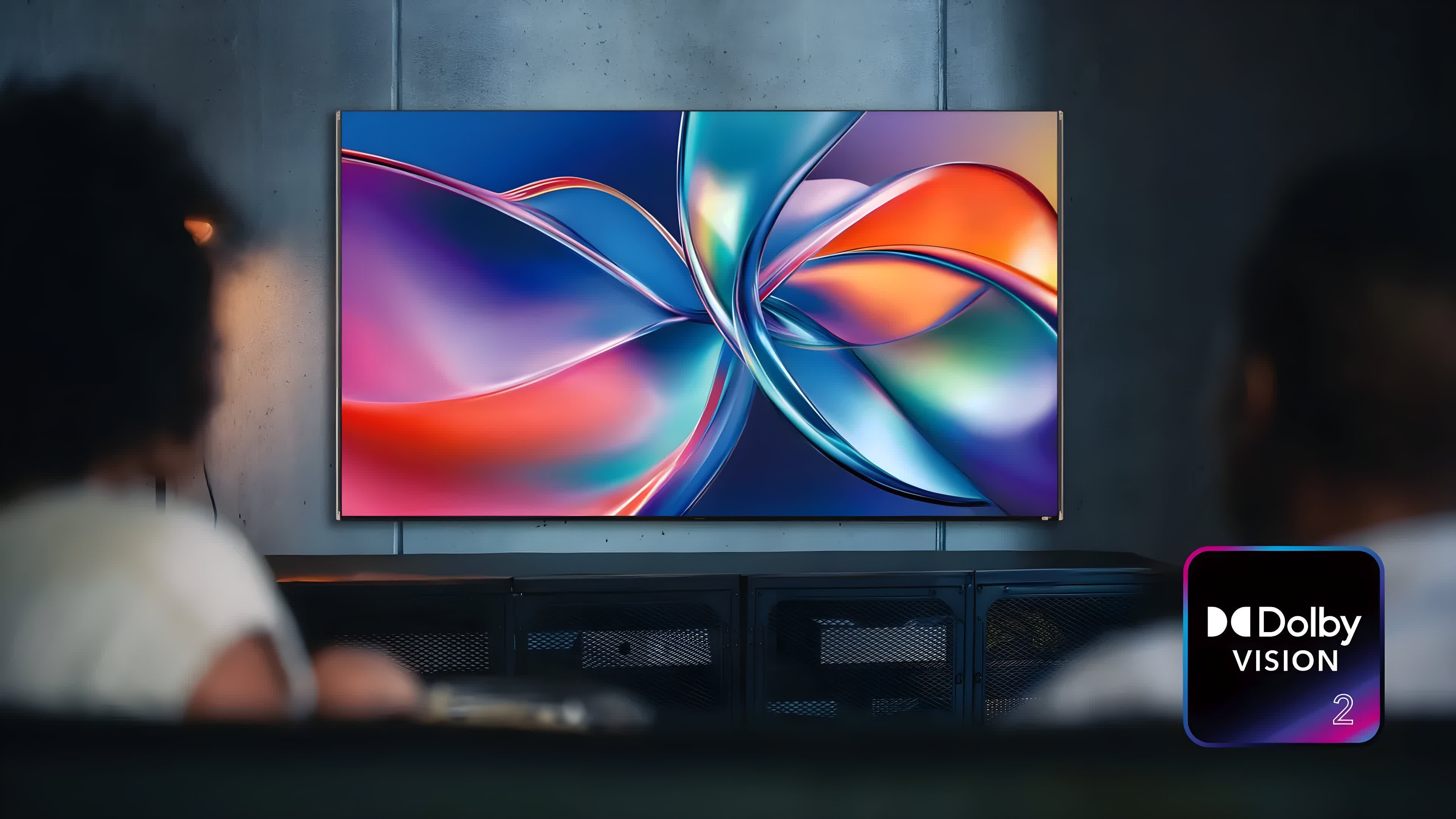
Dolby Laboratories calls Dolby Vision 2 "a groundbreaking evolution of its industry-leading picture quality innovation," I.e., Dolby Vision, which launched back in 2014.
The main feature of Dolby Vision 2 is Content Intelligence. It introduces a suite of new tools that can "better bridge the creative suite to the viewer's living room." Essentially, it ensures that what filmmakers, TV producers, and game developers see during content creation matches as closely as possible to what viewers experience at home.
Content Intelligence includes the likes of Precision Black technology, which is designed to ensure darker HDR remains visible and not too dark to make out (see Game of Thrones' The Long Night episode as an example).
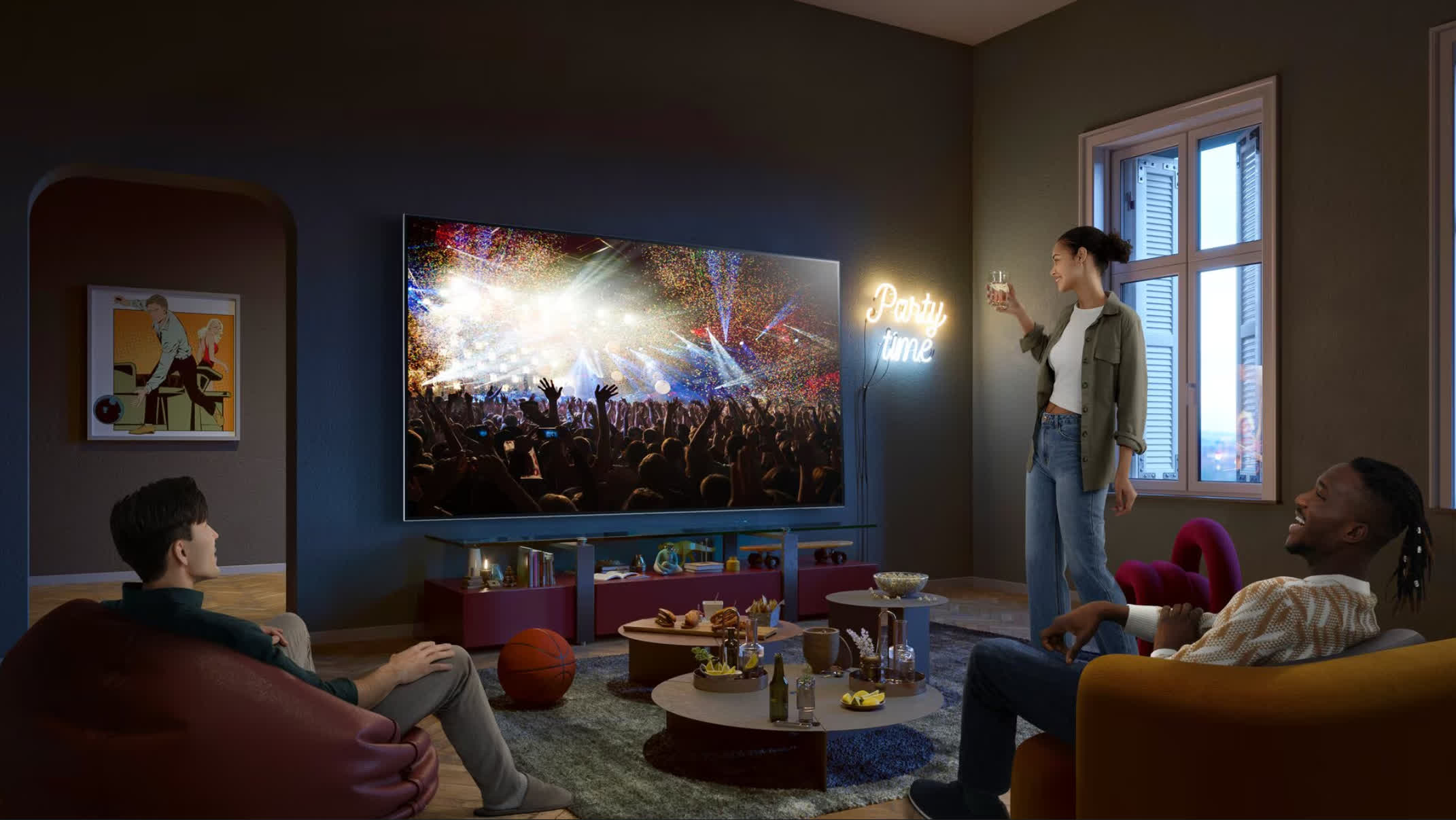
There's also Light Sense. This detects ambient light and optimizes picture settings to create the perfect image to suit a room's lighting conditions.
Dolby Vision 2 has optimization features for gaming and sports, too, including white-point adjustments and motion controls.
Motion smoothing is one of those TV features that pretty much everyone seems to hate. With Dolby Vision 2 comes Authentic Motion, which the company bills as the world's first creative-driven motion control tool designed to make scenes feel more authentically cinematic – and not like a soap opera. Creatives can enable Authentic Motion in their content on a shot-by-shot basis to reduce unwanted judder, though you'll obviously need a Dolby Vision 2 TV to experience it. You'll also be able to turn it off, presumably.
Elsewhere, there's a new image engine that works with bi-directional tone mapping, allowing TVs to deliver higher brightness, sharper contrast and deeply saturated colors, all while ensuring the image matches the creator's intent for the audience.
Dolby Vision 2 will arrive as two tiers: Dolby Vision 2 Max for premium televisions powerful enough to take advantage of the most-demanding features, and the standard Dolby Vision 2 for mainstream televisions.
The first manufacturer confirmed to implement Dolby Vision 2 is Hisense, which will introduce it in the firm's RGB-MiniLED televisions. These TVs feature MediaTek's Pentonic 800 processor with MiraVision Pro PQ Engine.
As for the creators, French media giant CANAL+ says it will be supporting Dolby Vision 2 across its movies, TV shows, and live TV broadcasts.
As with all new technologies, expect it to take quite a while before Dolby Vision 2 starts becoming widespread. It'll only be available on TVs from companies that support it, so Samsung, which favors HDR10+ and doesn't support Dolby Vision, might opt to avoid its successor.
Dolby Vision 2 launches with improved HDR, a new engine, and AI picture optimizations


