TL;DR: An investigation has revealed a growing number of police officers using license-plate reader systems to track women they knew personally, turning a tool sold for crime fighting into one that could also enable stalking and surveillance. The problem is not limited to one department or one state. It is showing up wherever these systems are widely deployed and lightly checked.
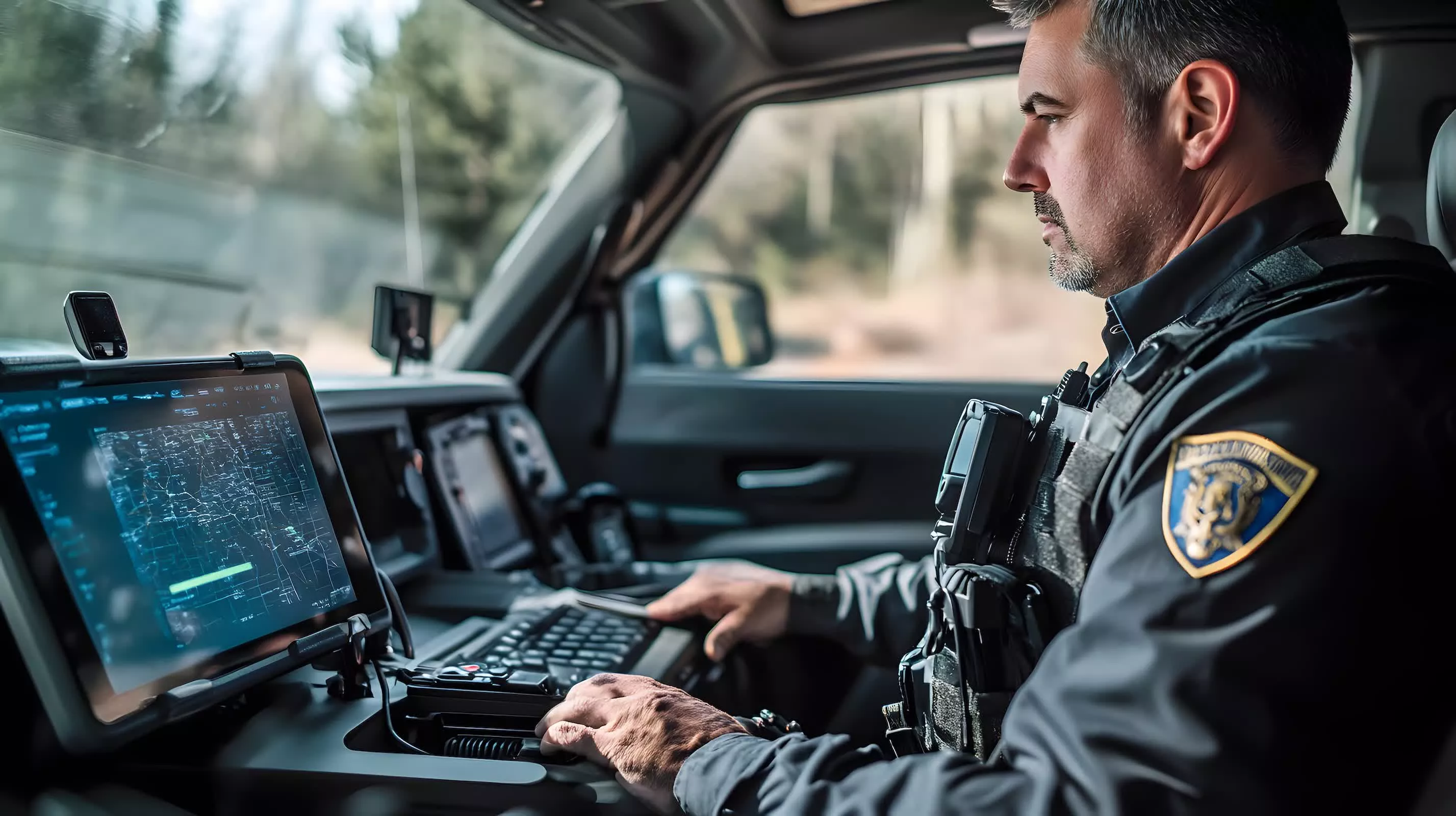
The main tool being misused is Flock Safety, a network of roadside cameras that scan and catalog billions of license plates each month. The firm says its network spans more than 6,000 communities, with devices designed to capture plates in difficult conditions, including at night and in heavy rain, using computer vision. The result is a searchable, time-stamped record of vehicle locations that officers can query without a warrant.
The technical capabilities are straightforward but powerful. Cameras feed plate data into a centralized system, where officers can search by plate number or, using newer "vehicle fingerprint" tools, by characteristics such as color or bumper stickers.
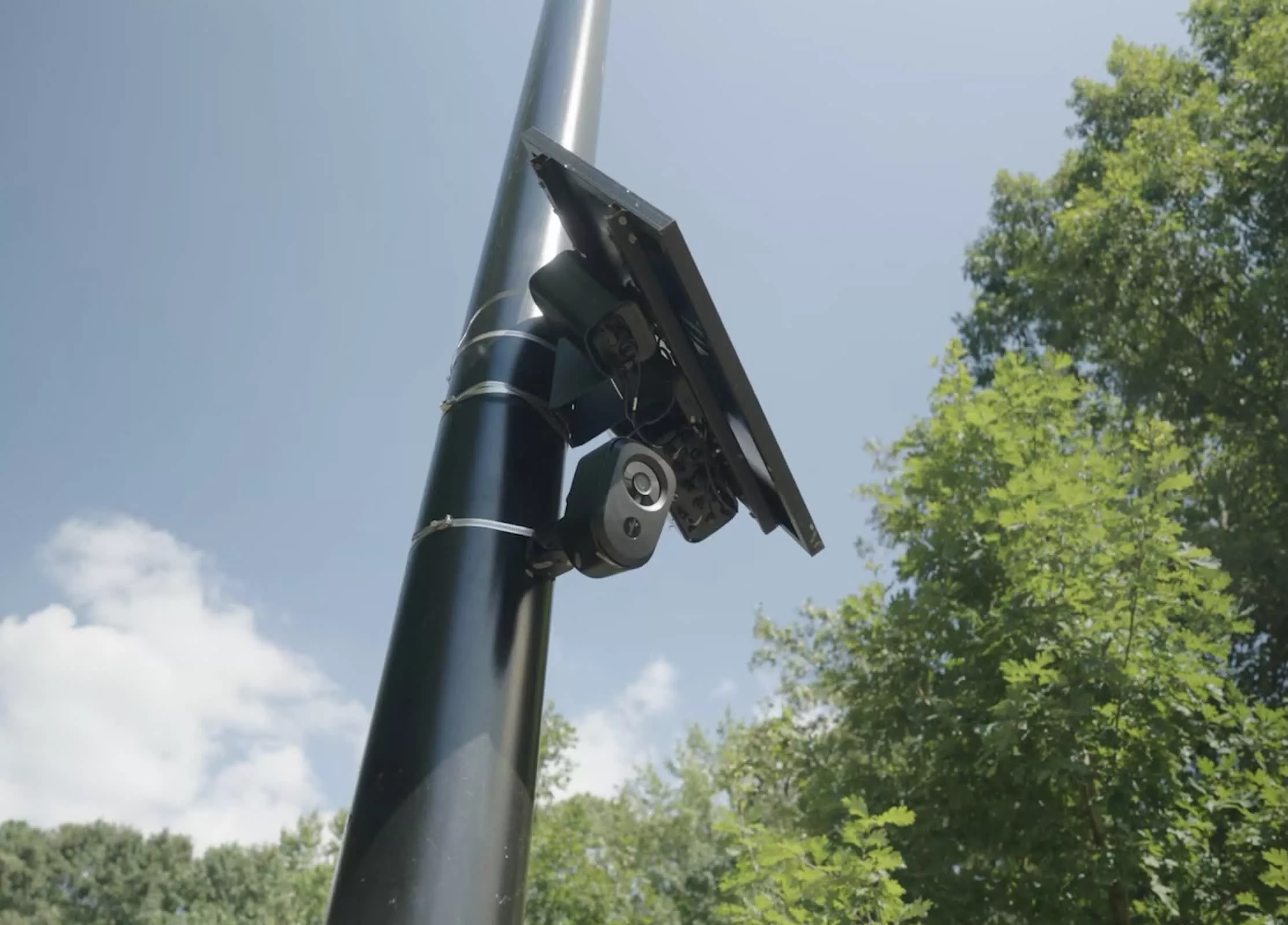
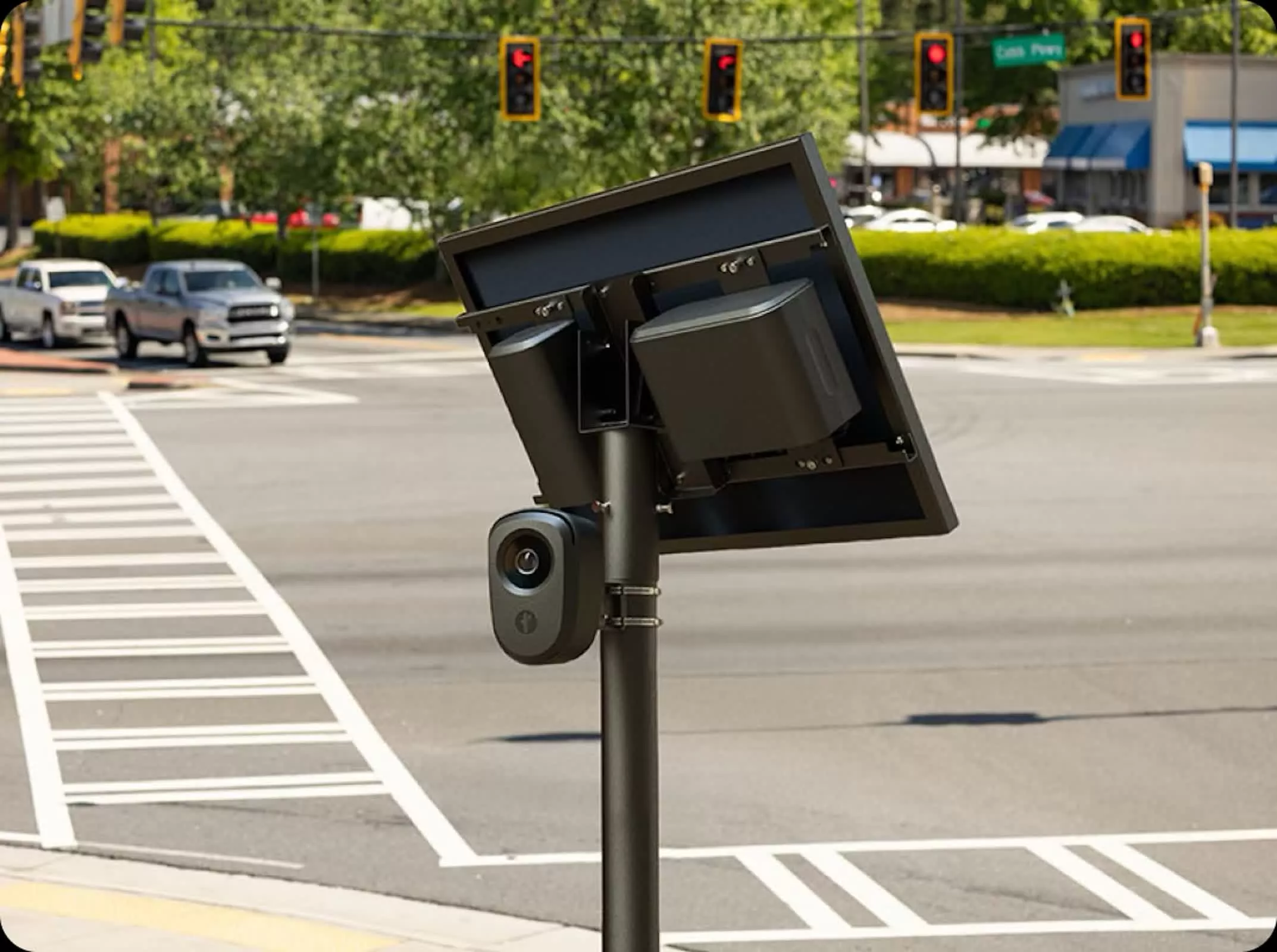
Alerts can be set through "hot lists," notifying users when a vehicle appears anywhere in the network. The infrastructure is distributed – solar-powered cameras connected via cellular networks – making it easy to deploy across cities, suburbs and private properties.
That accessibility, combined with minimal friction in running searches, has created what investigators describe as a gap between capability and oversight. According to the Washington Post's review of police and court records, at least 50 officers nationwide have been accused of or charged with misusing license-plate reader systems, often to track women in their personal lives. In 46 of those cases, Flock's system was involved.
In one case in Georgia, a police chief used the system to repeatedly search for a woman's vehicle, logging hundreds of queries over more than a year. After confronting him, she learned he had relied on the camera network to monitor her movements. "It's a camera system that reads tags," he wrote in a message. He later added, "Don't worry I'm not tracking you or some weird stalker s--t."
Audit logs – one of the system's built-in accountability features – ultimately revealed the extent of the searches. Those logs have become a central mechanism for detecting misuse, but they are typically reviewed only after complaints or internal investigations. Some departments make them available through public records requests, while others do not, limiting visibility into how often the tools are used or abused.
Flock has emphasized that misuse represents a small fraction of overall activity and points to logging and auditing as safeguards. "We're not going to change humans, and humans make bad decisions," CEO Garrett Langley told the Washington Post. "What we can do is make sure that they know if you use this tool, you will be held accountable."
The company recently introduced a voluntary feature that scans for suspicious query patterns, such as repeated searches for the same vehicle or activity outside an officer's working hours.
However, critics argue that optional safeguards and decentralized policy decisions leave too much room for abuse. Police agencies set their own rules for access and use, and in many jurisdictions there is no requirement to tie a search to a case number or active investigation. With no comprehensive federal framework governing license-plate reader use, standards vary widely across the roughly 18,000 law enforcement agencies in the country.
Privacy advocates say the underlying issue is not just misconduct but the design of the system itself. The ability to reconstruct a person's movements – where they shop, seek medical care or spend time – creates a detailed behavioral profile that can be accessed with little immediate oversight. "Flock has already claimed that they have oversight, that they have guardrails, and we still see these kinds of abuses," said Eva Galperin of the Electronic Frontier Foundation.
Law enforcement officials and consultants counter that tighter restrictions could undermine a tool they view as transformative. Langley has described license-plate readers as critical infrastructure for modern policing, citing their role in criminal investigations and recoveries. In a public talk, he recalled a police chief describing the technology as "as transformational as DNA."
The tension reflects a broader shift in policing technology, where systems built for scale – large datasets, cross-agency sharing, AI-assisted search – are outpacing governance models designed for smaller, more localized tools. In several documented cases, officers continued to access license-plate databases even after concerns were raised internally.
Flock is facing growing pushback from communities concerned about privacy and other issues. In Roseville, California, an internal police review found more than 1,000 false positives from the system over two years.
Nevertheless, many city officials remain enthusiastic about the network, even as privacy concerns continue to grow. For people who learn they've been tracked, often only after the fact, the experience shows just how hidden these systems can be. Cameras mounted on utility poles or roadside fixtures continuously collect data, while access remains largely confined to law enforcement systems. As one victim put it after learning how often her vehicle had been queried, "He watched every single move I made."
Dozens of police officers accused of using license plate cameras to track women


