
What just happened? Electronic Arts is indeed going private. The video game giant has agreed to be purchased by a consortium of investors including Silver Lake, Affinity Partners, and Public Investment Fund as part of an all cash deal valued at approximately $55 billion.

Per the agreement, existing stockholders will receive $210 in cash per EA share – a 25 percent premium over the stock's closing price of $168.32 on September 25 and even higher than the company's all-time trading high of $179.01 on August 14, 2025. Rumors of a potential buyout surfaced late last week, making September 25 the last fully unaffected trading day. Shares are up nearly five percent in early morning trading on today's announcement.
Saudi Arabia's PIF already owns 9.9 percent of EA, and will roll that stake into the deal. PIF also holds minority stakes in Nintendo, Take-Two Interactive, and Activision Blizzard. With its continued investments in entertainment companies like EA, the kingdom is diversifying its wealth beyond its oil cash cow – a smart move considering its rarely wise to store all of your eggs in one basket. And as highlighted over the weekend, such deals also help polish Saudi Arabia's global image.
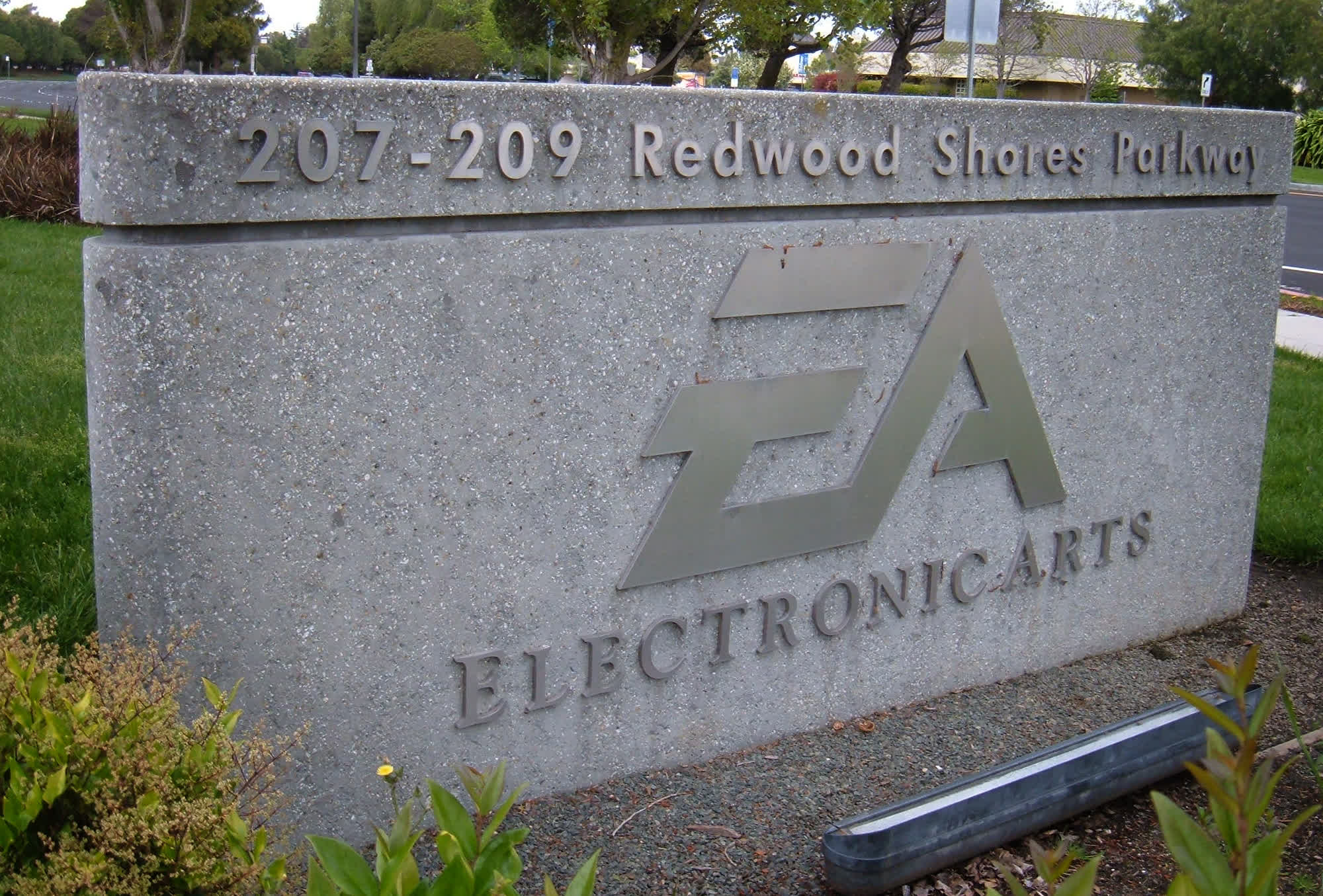
EA said it expects the deal to close in Q1 of fiscal year 2027, pending regulatory closing conditions. The company's board has already approved the sale, but shareholders still need to sign off on the transaction. EA will maintain its headquarters in Redwood City, California, and Andrew Wilson will continue to serve as chief executive.
Electronic Arts was founded by Trip Hawkins in 1982, and has helped develop and publish many of the most recognizable franchises in gaming including The Sims and Need for Speed. EA is also responsible for several leading sports titles from leagues like the NFL, the NBA, and the UFC.

The company's next big release, Battlefield 6, is due out in less than two weeks on October 10, but don't expect to find ray tracing support in the PC version.
EA strikes $55 billion buyout deal with Saudi-led consortium


