
Something to look forward to: Remember the Open Printer, the fully open-source inkjet printer with DRM-free ink and no subscriptions that was announced last year? A working prototype has now appeared. And while we still don't know details such as pricing or a release date, it's supposedly "coming soon."
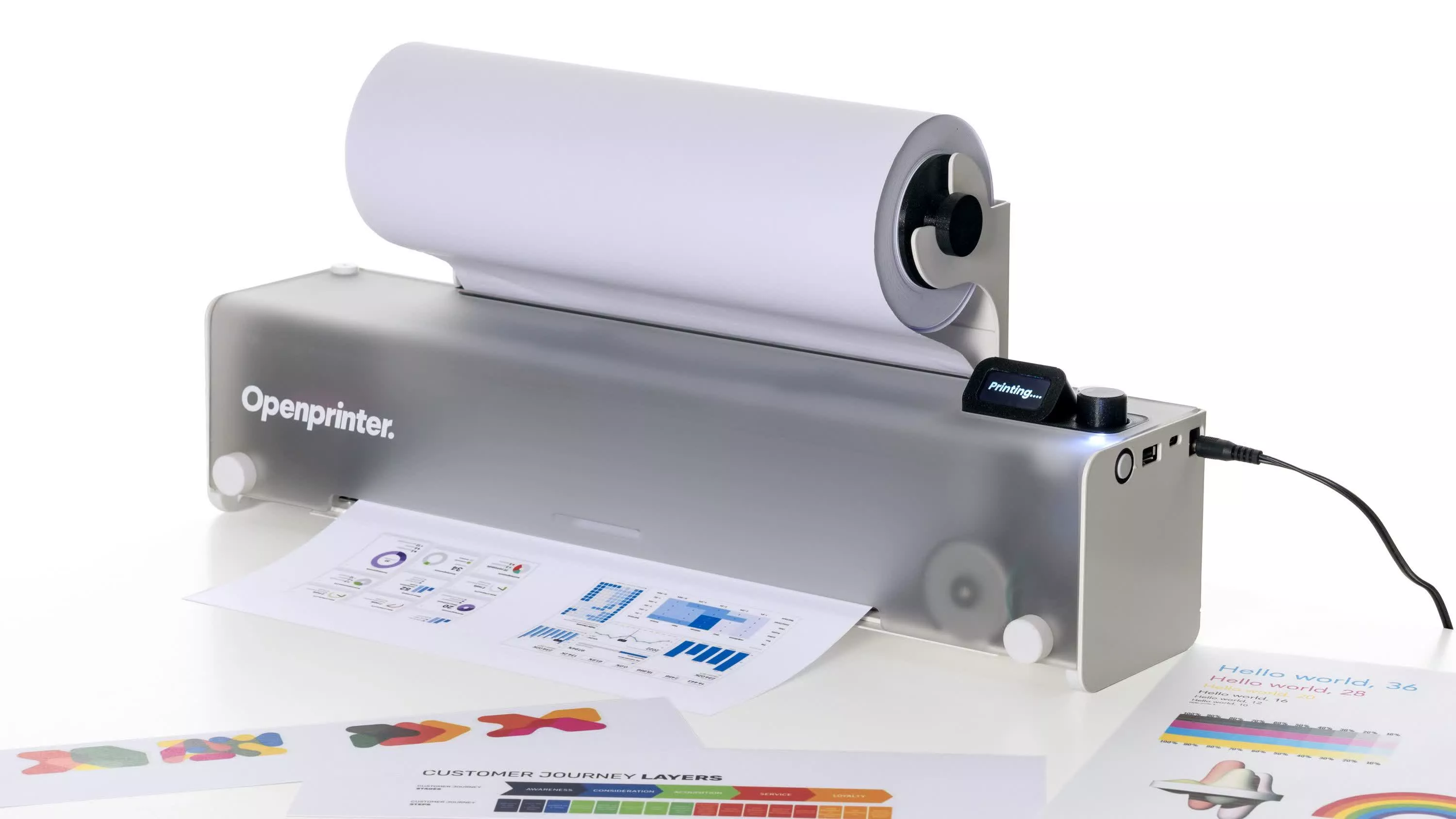
It's been many years since printing from a PC involved little more than buying a printer and some ink, then purchasing extra cartridges when needed. Today, the industry is filled with DRM-locked ink cartridges, subscriptions, and other unsavory tactics.
That's why the open-source Open Printer received so much attention when it was announced late last year. Designed by Paris-based firm Open Tools, the printer's electronics, mechanical design files, firmware code, and bill of materials are licensed under Creative Commons, allowing anyone to provide custom enhancements or replacement parts. It doesn't allow people to build and sell the printer, though.
That repairability, combined with the lack of DRM chips and subscriptions, makes the Open Printer an enticing prospect.
Now, Open Tools has released a short video of the printer in action, along with the promise that it's coming soon.
The update on Crowd Supply shows the prototype printing and cutting a page. Open Tools says the core functions are now working, including media handling for standard sheets and continuous rolls, plus the integrated cutter that slices roll paper to the desired length.
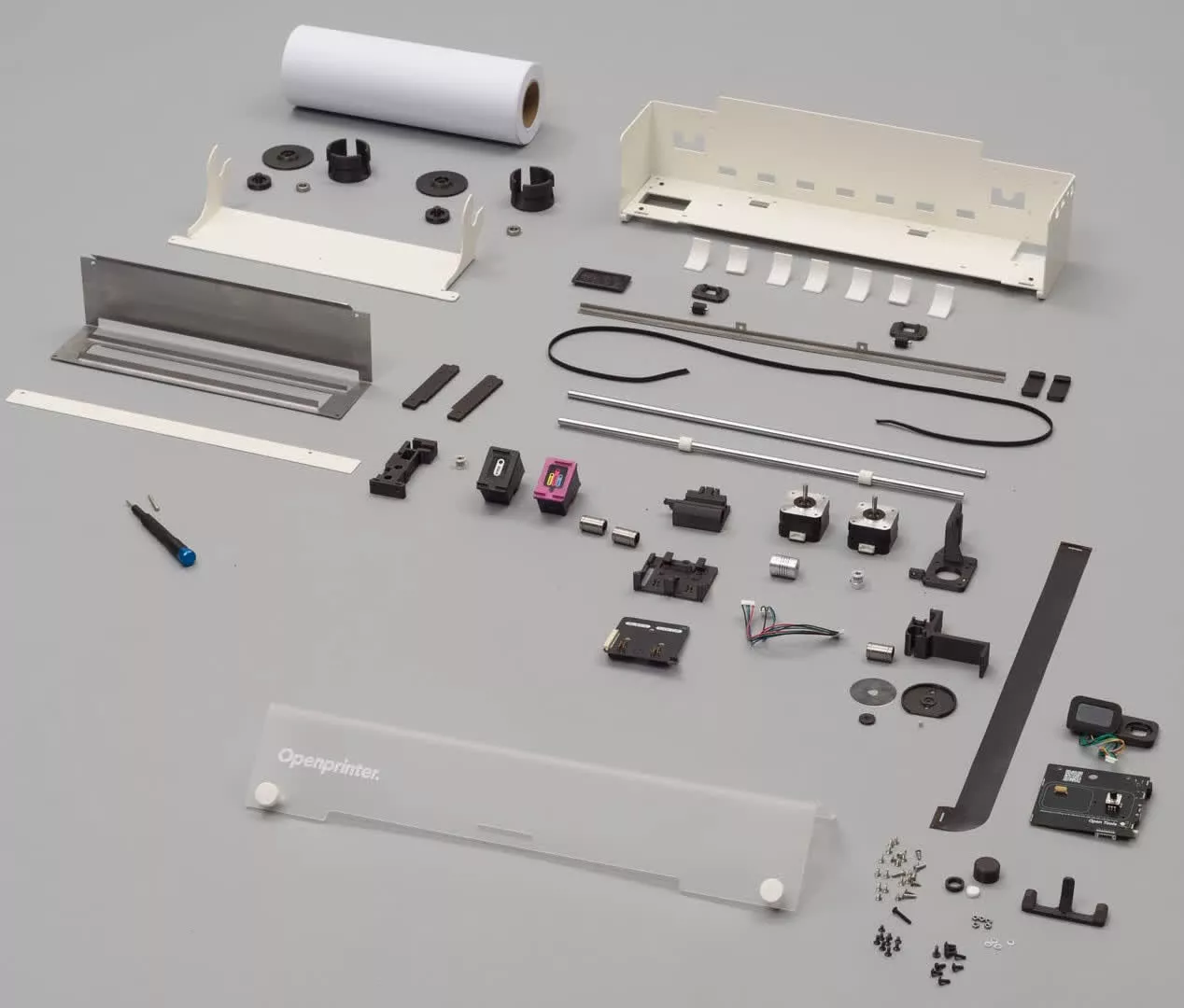
There is still work to do before it lands in users' hands. The team says it is optimizing the ink-drying system, refining printhead cleaning cycles, improving paper insertion, and trying to boost print speeds. On the software side, work continues on Wi-Fi and Ethernet connectivity, as well as dithering algorithms designed to improve image quality.
The Open Printer is built around a Raspberry Pi Zero W, with an STM32 microcontroller handling the cartridge board. It uses refillable HP cartridge bodies – HP 63 in the US and HP 302 in Europe – and supports 600 dpi black-and-white printing and 1,200 dpi color. It connects over USB-C, USB-A, Wi-Fi, and Bluetooth, and uses the open-source CUPS print server, so it should work across Windows, macOS, Linux, Android, and iOS without proprietary drivers.
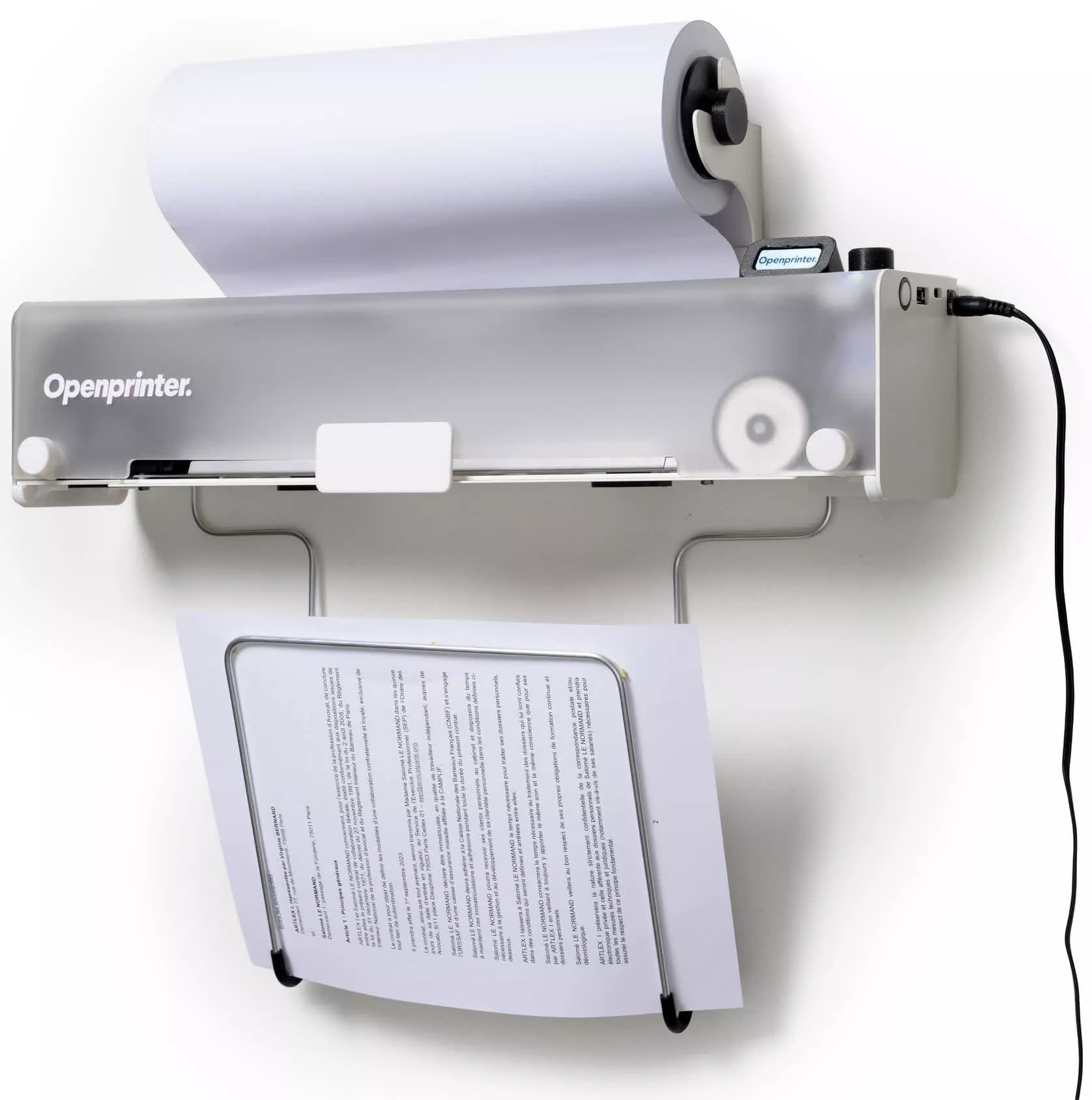
The project has also picked up some design-world attention. Open Tools says Open Printer has been nominated for the French Design Awards in the Production and Teaching & Learning categories.
The big missing detail remains price. Open Tools says the final number depends on production volume, bill-of-materials costs, certification, and remaining engineering work, so it won't be revealed until the crowdfunding campaign goes live.
The open-source, DRM-free Open Printer shows off a working prototype


