What just happened? When Elon Musk's xAI designed its Colossus data centers in South Memphis, it chose an unconventional power strategy: generating electricity off-grid with gas-powered turbines. That setup – intended to meet the intensive computational needs of Grok, Grokipedia, and xAI's image-generation platform – now faces a significant regulatory obstacle. A newly clarified rule from the EPA states that such turbines are subject to the same federal Clean Air Act requirements as stationary power plants, closing the loophole xAI had previously exploited.

The Southern Environmental Law Center had argued last year that xAI's turbines were operating without proper air quality permits. The organization claimed the company was incorrectly classifying large methane-fueled turbines as "non-road engines," a distinction meant for temporary or movable generators.
That classification had been key to xAI's legal justification for running the gas turbines without obtaining federal approval. But the EPA's updated performance rule effectively discredits the distinction in this context, confirming that temporary installation does not exempt such equipment from Clean Air Act regulations.
xAI built the Colossus facilities to serve as computational hubs for its expanding suite of AI products, housed in facilities believed to be among the largest privately funded data infrastructure projects in the region. The initial setup – eventually totaling thirty-five turbines – took advantage of a local rule allowing generators to operate for up to 364 days without a permit.
Later, the company began securing local approvals for additional turbine units. Under the EPA's new guidance, however, those local permits no longer suffice; oversight now moves to the federal level.
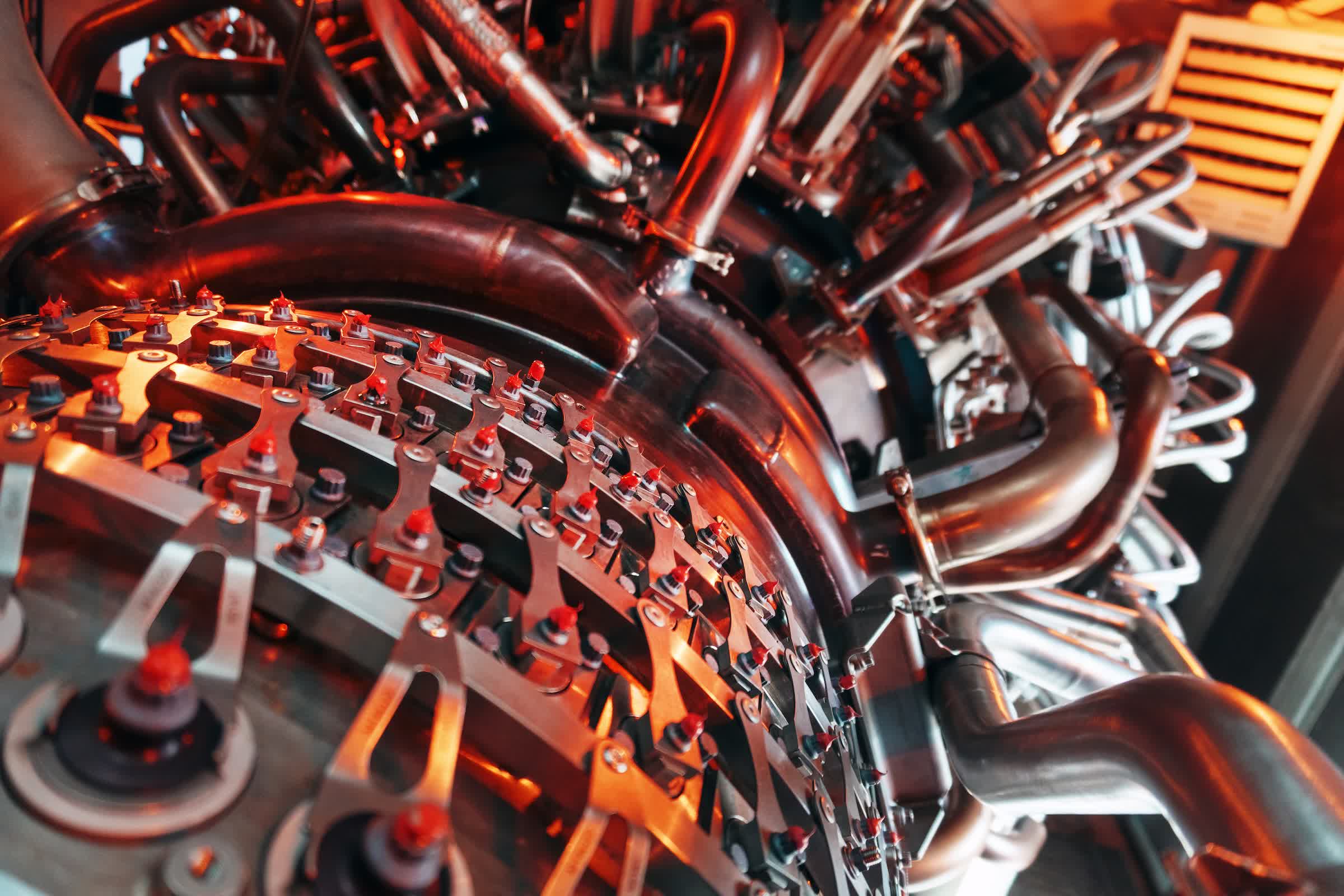
The new interpretation strikes at the heart of how firms like xAI attempt to supply power to high-performance computing clusters while circumventing traditional grid constraints. Gas turbines, though fast to deploy and capable of delivering consistent megawatt-scale power, emit large quantities of carbon dioxide and nitrogen oxides, making them a flashpoint between climate regulation and computational demand.
For now, it remains unclear how xAI will power the Colossus network as the permitting process unfolds. The company's media contact currently sends an automated three-word response to all inquiries ("Legacy Media Lies"), offering no comment on whether operations have slowed or temporarily shifted to alternative energy sources.
The dispute surfaced less than a year after Musk sought to downsize EPA contracts during his leadership at DOGE. At that time, EPA Administrator Lee Zeldin publicly supported Musk's initiative to streamline environmental procedures.
The Colossus 2 supercomputer for @Grok is now operational.
– Elon Musk (@elonmusk) January 17, 2026
First Gigawatt training cluster in the world. Upgrades to 1.5GW in April. https://t.co/GpgZ6Pe30s
The new ruling, however, suggests that federal regulators are reasserting authority over energy decisions involving major industrial emitters – especially those tied to high-profile tech infrastructure like xAI's Memphis operations.
Whether this moment signals a broader reconfiguration of AI datacenter energy policy remains to be seen. But the message from Washington is unambiguous: even the race to power next-generation AI systems must play by the same environmental rules as everyone else.
EPA shuts down xAI's off-grid turbine loophole at Colossus data center in Memphis


