EV batteries age twice as fast with ultra-fast charging

Skye Jacobs

Posts: 2,030   +59
Staff
The takeaway: A decade into the era of electric mobility, one question still divides drivers and engineers alike: how much does fast charging really cost the battery? A new large-scale analysis from telematics firm Geotab offers one of the clearest answers yet, showing that EV battery packs age significantly faster when high-power charging becomes routine.
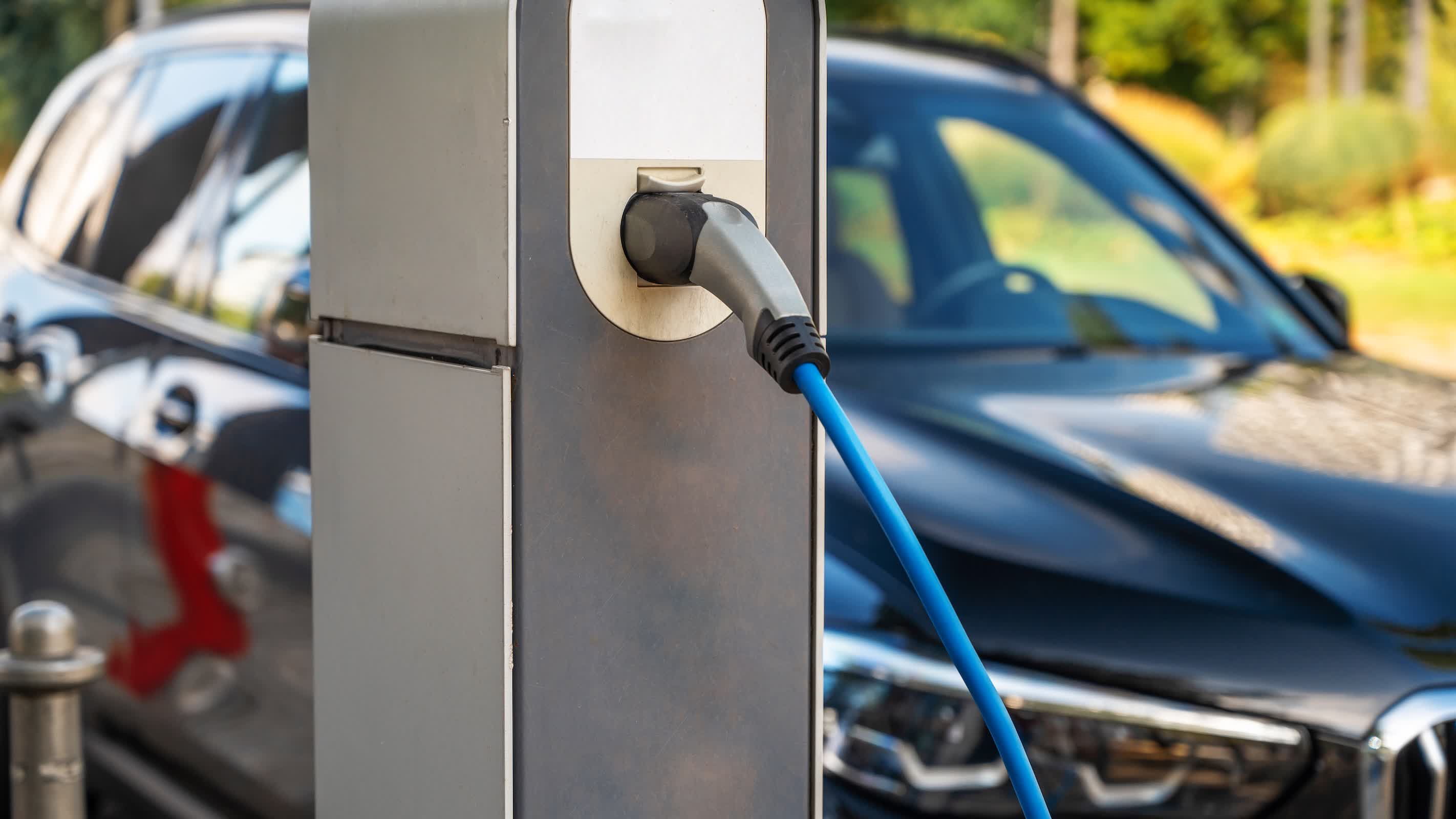
The firm analyzed data from more than 22,700 vehicles across 21 models and found a striking pattern: batteries subjected to frequent charging sessions above 100 kilowatts degraded at roughly twice the rate of those primarily using lower-power options such as Level 2 chargers.

While the typical EV experiences about 2.3 percent capacity loss per year, vehicles that rely heavily on ultra-fast DC charging show up to 2.5 percent annual degradation. The same models, when fast-charged sparingly, degraded at a rate closer to 1.5 percent per year. The threshold appears when more than 12 percent of total charging sessions occur at those high-power stations.

The 100 kW figure is significant because it marks the point at which charging ceases to be merely "fast" and becomes electrochemically aggressive. Forcing electrons into cells at that rate accelerates what battery scientists call lithium plating, a buildup of metallic lithium on the anode instead of proper ion diffusion throughout the electrode.

The process reduces the number of available charge carriers, effectively shrinking the battery's usable capacity over time. This phenomenon affects both major lithium-ion chemistries – lithium iron phosphate (LFP) and nickel manganese cobalt (NMC) – but the study found that LFP batteries hold up noticeably better under the stress of ultra-fast charging.
The analysis also underscores that climate plays a meaningful role. In regions where average temperatures exceed 77 degrees F, degradation increases by roughly 0.4 percent per year. At the other extreme, attempting to fast-charge below freezing can cause permanent structural damage, which is why preconditioning systems – now standard in most EVs – are critical to maintaining long-term cell health.

Interestingly, Geotab's longitudinal dataset shows that after the initial drop, most EV batteries stabilize at around a 1.4 percent annual degradation rate, suggesting that early wear levels off after the first few years.

Battery Management Systems appear to be doing their job, keeping charge levels, thermal profiles, and cell balance within safe margins. Drivers still influence those curves, however. The research found that packs that spend most of their time below 20 percent or above 80 percent state of charge experience noticeably faster decline, adding another reason to stay within moderate ranges when possible.

Vehicle type also makes a difference. Multi-purpose vehicles and delivery vans – often operating under heavy loads and more aggressive duty cycles – averaged 2.7 percent annual capacity fade, compared to two percent for light passenger cars. Yet across all categories, the takeaway is simple: the faster and hotter you charge, the more capacity you give up over time.

To be clear, Geotab's analysis does not suggest EV drivers should abandon high-speed chargers entirely. The convenience of a 20-minute recharge during long trips remains essential to electric mobility, especially as charging networks expand worldwide. Rather, the data serves as a reminder that convenience comes at a measurable cost, and that moderating fast-charging habits – even slightly – can extend usable battery life by years.

Permalink to story:

 
You can charge at home, so there's that. Plugging an EV into a wall outlet is 100% a thing
 
So if you're like most people and 90 percent of the time just come to and from work and occasional short outing (social events, shopping etc). You won't using more than 60 percent of your battery charge per day.

Simply use the slowest wall charging option when you get home, set a limit not to charge over 80 percent and you'll always have enough charge whilst doubling your batteries life. You save yourself the time and frustration of having to find a fast charger and waiting for it to charge.

Even better, get yourself a timed charger (or perhaps the car software supports it) to only start charging after 11 when the power grid has little else to do.

Not sure why this needed to be researched. When using the same batteries as phones the same conclusions are drawn when similar charging behaviour is used, well duh?
 
Newer cathode designs will mitigate this problem. In the Midwestern US travel often requires multiple stops for refueling. Until fast charging happens much faster, without increasing battery degredation, many of us that really love EVs won't buy them due to adding excessive time to trips made by car.
 
Last edited:
"EV batteries age twice as fast with ultra-fast charging"
"While the typical EV experiences about 2.3 percent capacity loss per year, vehicles that rely heavily on ultra-fast DC charging show up to 2.5 percent annual degradation. The same models, when fast-charged sparingly, degraded at a rate closer to 1.5 percent per year."

2.5 isnt twice 2.3. It isnt twice 1.5 either.

The 100kW figure is also suspect. 100kW charging into a 50kW pack is an entirely different beast from 100kW charging into a 200kW pack. So at what capacity does this 100kW charging begin this "electromagnetically aggressive" status?

You can charge at home, so there's that. Plugging an EV into a wall outlet is 100% a thing
Unless you are one of the over half of americas that dont have a garage to park in, dont have the electric service available, or live in apartments, condos, ece with no garage.

110v charging is ridiculously slow and cant keep up with most people's driving needs.
 
Try going on a trip and plugging them in a wall outlet. A two day trip taking a week is so much fun.
This is the problem with the "but sometimes" argument. If you're going on vacation like people do once a year or every other year, charging your EV at a fast charger isn't gonna kill it. If you own your home like 70% of Americans do, then charging at home is 100% a thing. Most people drive less than 100 miles a week so installing a 240 line for level 2 charging is unnecessary. And if you don't own your home and have a place to charge, well gas cars are still a thing so just get one of those. Thing is, electric cars are freaking great 99% of the time. I'm not anti gas cars, it's just that electric cars are better. Manufacturers need to stop making them look like space dildos and pay walling everything, but that's a different story altogether. And China is able to make EVs for 15k so the American companies need to stop asking 50k plus for them. You can literally buy a Chinese EV for the cost of what Tesla wants to replace a battery. Really makes you wonder.....
 
This is the problem with the "but sometimes" argument. If you're going on vacation like people do once a year or every other year, charging your EV at a fast charger isn't gonna kill it. If you own your home like 70% of Americans do, then charging at home is 100% a thing. Most people drive less than 100 miles a week so installing a 240 line for level 2 charging is unnecessary. And if you don't own your home and have a place to charge, well gas cars are still a thing so just get one of those. Thing is, electric cars are freaking great 99% of the time. I'm not anti gas cars, it's just that electric cars are better. Manufacturers need to stop making them look like space dildos and pay walling everything, but that's a different story altogether. And China is able to make EVs for 15k so the American companies need to stop asking 50k plus for them. You can literally buy a Chinese EV for the cost of what Tesla wants to replace a battery. Really makes you wonder.....
The Chinese companies are heavily subsidized to hit those prices, they are sold at a loss. Those $15k cars are in no way sustainable.

The federal highway administration says the average american drives 37 miles a day. That is 259 miles a week, not 100. Not sure where you got that number from
 
Not relevant but does anyone understand why Downloads are framed as articles. Sometimes it seems like stuff that's meant to be commented on, but none are available since it goes directly to the Download page instead @Julio Franco
3R2Rm9k.png
 
Last edited:
This is the problem with the "but sometimes" argument. If you're going on vacation like people do once a year or every other year, charging your EV at a fast charger isn't gonna kill it. If you own your home like 70% of Americans do, then charging at home is 100% a thing. Most people drive less than 100 miles a week so installing a 240 line for level 2 charging is unnecessary. And if you don't own your home and have a place to charge, well gas cars are still a thing so just get one of those. Thing is, electric cars are freaking great 99% of the time. I'm not anti gas cars, it's just that electric cars are better. Manufacturers need to stop making them look like space dildos and pay walling everything, but that's a different story altogether. And China is able to make EVs for 15k so the American companies need to stop asking 50k plus for them. You can literally buy a Chinese EV for the cost of what Tesla wants to replace a battery. Really makes you wonder.....
I've seen people take 24 hours to drive a 700KM trip because batteries are terrible. I am against EV's as they aren't reliable, lack range, are susceptible to temperature and weather and have charging issues.

Data from China has proven that new EV's are equal to older ICE cars in reliability. I see EV's broken down on the motorway every time I go out of town and yet people keep buying them.
 
Not relevant but does anyone understand why Downloads are framed as articles. Sometimes it seems like stuff that's meant to be commented on but none are available since it goes directly to the Download page instead
3R2Rm9k.png
Thanks for bringing this up. I generally like Techspot as a way to quickly get daily PC-friendly tech news without having to click every article, but hiding that evil discord news in a not comment-able article really... surprised me. Not a pro-user decision.

I will not be using any social media-like service that makes me give them my data like that. You should not either.
 
I've seen people take 24 hours to drive a 700KM trip because batteries are terrible. I am against EV's as they aren't reliable, lack range, are susceptible to temperature and weather and have charging issues.

Data from China has proven that new EV's are equal to older ICE cars in reliability. I see EV's broken down on the motorway every time I go out of town and yet people keep buying them.
You aren't wrong, but that's a separate issue that needs to be addressed. Manufacturers need to cut their bullshit because EVs, theoretically, should be more reliable than ICe cars as they have less moving parts. Modern EVs ground themselves the moment a light has a problem, that's not a joke, and you have to pay the dealer to program a new light for you. The modern expense on EVs is completely unnecessary and manufacturers need to get their **** together. China has shown us that we don't need to pay 50k for an EV, but the US decided to ban competitors rather than let the free market decide the price of a new car.

The modern ownership experience with EVs is awful, but it doesn't have to be that way and we're(the US) are making it bad to protect the profit margins of American car makers.
 
As to this battery article, I call on all companies that make and sell products with rechargeable batteries to include a smart + safe charging option.

I have my friends and family turn off all fast charging on their phones. Just charge slowly at night, and only charge to 80%-85%. And don't let the battery get too low. This works GREAT for battery life! Obviously different battery situations and chemistries are different.

But for other rechargeable tools they just market to the sheeple how fast they charge while guaranteeing you burn up the batteries and need to buy more from them. We are just beginning to fight back against the "Fast Charging" scam.
 
This is the problem with the "but sometimes" argument. If you're going on vacation like people do once a year or every other year, charging your EV at a fast charger isn't gonna kill it. If you own your home like 70% of Americans do, then charging at home is 100% a thing. Most people drive less than 100 miles a week so installing a 240 line for level 2 charging is unnecessary. And if you don't own your home and have a place to charge, well gas cars are still a thing so just get one of those. Thing is, electric cars are freaking great 99% of the time. I'm not anti gas cars, it's just that electric cars are better. Manufacturers need to stop making them look like space dildos and pay walling everything, but that's a different story altogether. And China is able to make EVs for 15k so the American companies need to stop asking 50k plus for them. You can literally buy a Chinese EV for the cost of what Tesla wants to replace a battery. Really makes you wonder.....

Owning a home could mean owning a condo/apartment or a townhouse. If you live in a condo then you won't have a closeby garage to allow charging. Most townhouses don't have garages either, and most townhouse parking spots I've seen are far enough to make EV charging difficult. And people who do have a single family house sometimes don't have a garage either, and the ones who do don't necessarily have fast enough charging/the right wiring for it if they do drive enough to require 240v outlets. This means a huge number of homeowners don't have a way to charge their EV without investing a ton of money into remodeling their house and wiring.

China also invests in electrical infrastructure, and installs EV chargers everywhere. I read that back in 2024, China installed more electric charging stations in 2 months than the USA has done in the last 2 decades. The US on the other hand is going back to coal, is still neglecting its infrastructure, removing EV subsidies, and removing electrification plans as well. I read just this week that the US govt is cutting another 1 billion dollars to build electrical chargers...specifically targeting "blue states" that didn't vote for Trump.
 
Owning a home could mean owning a condo/apartment or a townhouse. If you live in a condo then you won't have a closeby garage to allow charging. Most townhouses don't have garages either, and most townhouse parking spots I've seen are far enough to make EV charging difficult. And people who do have a single family house sometimes don't have a garage either, and the ones who do don't necessarily have fast enough charging/the right wiring for it if they do drive enough to require 240v outlets. This means a huge number of homeowners don't have a way to charge their EV without investing a ton of money into remodeling their house and wiring.

China also invests in electrical infrastructure, and installs EV chargers everywhere. I read that back in 2024, China installed more electric charging stations in 2 months than the USA has done in the last 2 decades. The US on the other hand is going back to coal, is still neglecting its infrastructure, removing EV subsidies, and removing electrification plans as well. I read just this week that the US govt is cutting another 1 billion dollars to build electrical chargers...specifically targeting "blue states" that didn't vote for Trump.
Level 2 charging requires 240v, nothing is stoping people from plugging into a standard outlet. And in condos, you actually own part of the building and you can install a charging outlet in them. And for people who live in places where they can't make use of an EV, gas cars are still a thing. EVe aren't bad just because they don't fit your situation.
 
Level 2 charging requires 240v, nothing is stoping people from plugging into a standard outlet. And in condos, you actually own part of the building and you can install a charging outlet in them. And for people who live in places where they can't make use of an EV, gas cars are still a thing. EVe aren't bad just because they don't fit your situation.
The US is 120v, not 240. Very few garages have 240V power available.

Standard 120v charging is stupid slow, as in 40+ hour charge times.
Owning a home could mean owning a condo/apartment or a townhouse. If you live in a condo then you won't have a closeby garage to allow charging. Most townhouses don't have garages either, and most townhouse parking spots I've seen are far enough to make EV charging difficult. And people who do have a single family house sometimes don't have a garage either, and the ones who do don't necessarily have fast enough charging/the right wiring for it if they do drive enough to require 240v outlets. This means a huge number of homeowners don't have a way to charge their EV without investing a ton of money into remodeling their house and wiring.

China also invests in electrical infrastructure, and installs EV chargers everywhere. I read that back in 2024, China installed more electric charging stations in 2 months than the USA has done in the last 2 decades. The US on the other hand is going back to coal, is still neglecting its infrastructure, removing EV subsidies, and removing electrification plans as well. I read just this week that the US govt is cutting another 1 billion dollars to build electrical chargers...specifically targeting "blue states" that didn't vote for Trump.
The lack of infrastructure has 100% been why EVs have been so slow to take off.

Where are our nuke plants? Why do we not have chargers in every town, rest stop, and parking lot by this point? Range anxiety should not exist, yet it does because we are unwilling to build things anymore.
 
Level 2 charging requires 240v, nothing is stoping people from plugging into a standard outlet. And in condos, you actually own part of the building and you can install a charging outlet in them. And for people who live in places where they can't make use of an EV, gas cars are still a thing. EVe aren't bad just because they don't fit your situation.
Everything in my house and most houses runs on 120v. 120v is standard in the USA, not 240v. I had to pay an electrician a few grand to install a separate 240v wire with higher gauges and a new circuit breaker to run my electric water heater when my gas heater died. If you plug an EV into a 120v charger, it will take 2-3 days to charge.

In condos, you have to get the permission of the HOA to install stuff like that in common areas such as the parking areas. You can't just unilaterally hook up power cables, and again, it will probably cost a few grand. There are a whole other set of headaches.

I never claimed EVs are bad. What I did say is that the USA lacks infrastructure to support EVs. EVs require government investment...which is sorely lacking in the USA.
Why do you think I specifically mentioned China as an example of installing more EV chargers in 2 months than the USA has done in 20+ years?
 
Last edited:
Gee thanks CAPTAIN OBVIOUS!
Anyone with half a brain that has used rechargeable batteries over the past few decades knows that SLOW charging is better for the life of the battery. But, especially in the EV realm, people don't want to spend hours charging the battery unless it is overnight. Thus, fast charger stations which heat up the battery and decrease its lifespan.
 
That was a good work Geotab did. We need more like those. As long as it is not a Chinese based study testing their own batteries. I have seen how their economy and statistics work.
Which is a shame because they have so many EVs.
Their EV companies bully people who criticize
EVs, threating them with lawsuits.
We do not have a good idea
how good/bad their batteries are.

In any caser, I hope to see more studies, testing both old and newer EV batteries.
 
Imagine a power anomaly, breaking your PC's and then going to drive your EV to the repair shop and it's dead too...Remind me why we are using Electricity for motion machines. Somebody anybody?
 
You aren't wrong, but that's a separate issue that needs to be addressed. Manufacturers need to cut their bullshit because EVs, theoretically, should be more reliable than ICe cars as they have less moving parts. Modern EVs ground themselves the moment a light has a problem, that's not a joke, and you have to pay the dealer to program a new light for you. The modern expense on EVs is completely unnecessary and manufacturers need to get their **** together. China has shown us that we don't need to pay 50k for an EV, but the US decided to ban competitors rather than let the free market decide the price of a new car.

The modern ownership experience with EVs is awful, but it doesn't have to be that way and we're(the US) are making it bad to protect the profit margins of American car makers.
I've never been to the US so don't know how the economy works there. I can only verify what I experience and see. And one thing is clear: there is no second hand market for EV's as they lose about 90% of their value within the first year and become unsalable after two. Nobody here trusts second hand batteries, which is perfect for manufacturers as they make more while the common man gets barbecued in these vehicles (I see some of the most horrendous videos you can imagine on a daily basis).
 
The federal highway administration says the average american drives 37 miles a day. That is 259 miles a week, not 100. Not sure where you got that number from
What is counted into that numbers?
Cars and trucks? Cars only? Non-commercial use only?
Is it average (37 miles/day) or is it median (50% of drivers make < 100 miles/week)?

I drive >100 miles distance 6~8 times in a year.
50 miles once a month.
And the rest is <20 miles.
930 miles in the last 13 weeks (makes average of 71 miles / week) ... since I have bought this one.
 
I got mine ex lease from a rental, battery SOH 96% .... 80k kms... 3 years old... 70% off retail new when it was imported into the country... nothing wrong with used/2nd hand... less moving parts to go wrong... less wear and tear... just get the firmware updates and check the SOH before buying... there are so many persistent misconceptions... just like apple vs pc... $2k apple laptop vs $600 pc... yeah... no **** the apple will be better...
There is absolutely no way I will consider a second hand BYD or similar EV. I won't even consider a Tesla as I saw a video yesterday of people desperately smashing the drivers window in to rescue the driver from his own bad decisions. In another a brand new Xiaomi decided to celebrate the new year early and exploded in beautiful fireworks in the middle of the road.

As I said, I've seen a lot of horrendously terrifying videos and I will not buy an EV. A few weeks ago I saw one that gave me nightmares for two nights.

Anyone who buys an EV is welcome to theirs but I will stick to my motorbikes. I will admit that I haven't seen any cars on fire but, as I said in an earlier post: I have seen many broken down, far more than ICE and that's after riding hundreds of thousands of kilometres the past few years. I have seen a lot of ebikes on fire and won't buy one as they're even less reliable than ecars (there's a reason why ebikes are banned from entering lifts and people's homes).
 
Last edited:
Back