EV market sees record lease returns and price cuts, signaling consumer opportunity

Skye Jacobs

Posts: 2,012   +59
Staff
Bottom line: With falling prices, increasing model diversity, and a flood of off-lease vehicles on the horizon, there's never been a better time to purchase or lease an EV. However, policy changes and market uncertainties could still reshape the sector's trajectory.
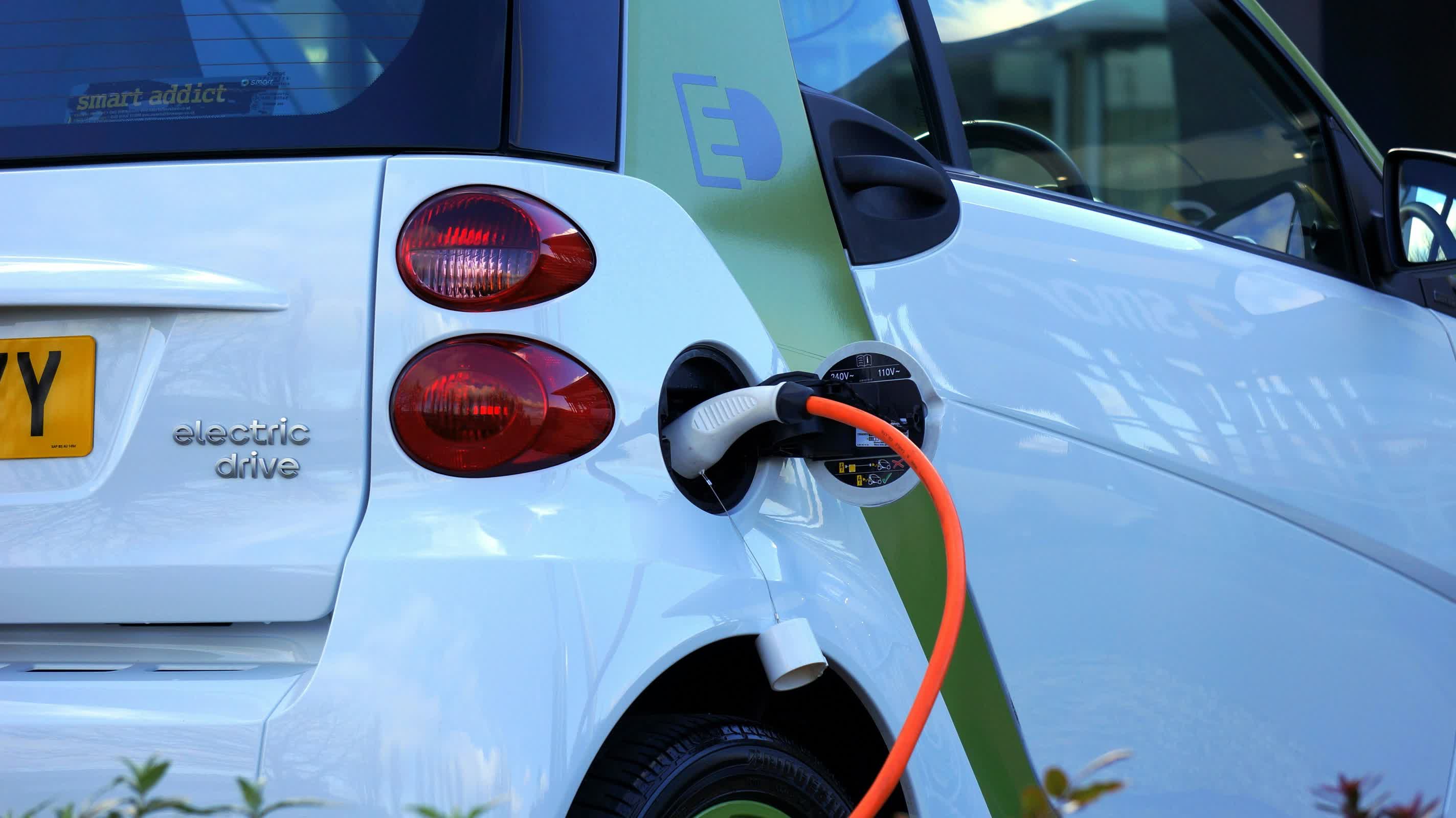
The US electric vehicle market is poised for substantial changes over the next two years, according to a new study from J.D. Power obtained by Inside EVs. It found that a complex interplay of factors is expected to impact new and used EV prices, making these vehicles more accessible to a broader range of consumers.

One of the most striking findings of the study is the projected influx of off-lease EVs entering the market. By the end of 2026, over a quarter of a million EV leases are set to expire, which could significantly increase the availability of affordable used electric vehicles.

This trend is particularly noteworthy given the historical data on EV leasing. The study reports that lease volumes for new EVs experienced a remarkable 355 percent increase throughout 2023, followed by an 88 percent rise through September 2024. As a result, J.D. Power forecasts a 230 percent spike in returning lease volumes by 2026.

The anticipated flood of off-lease EVs coincides with an ongoing decline in new EV prices. This combination of factors creates an interesting dynamic for consumers, particularly those nearing the end of their current EV leases.
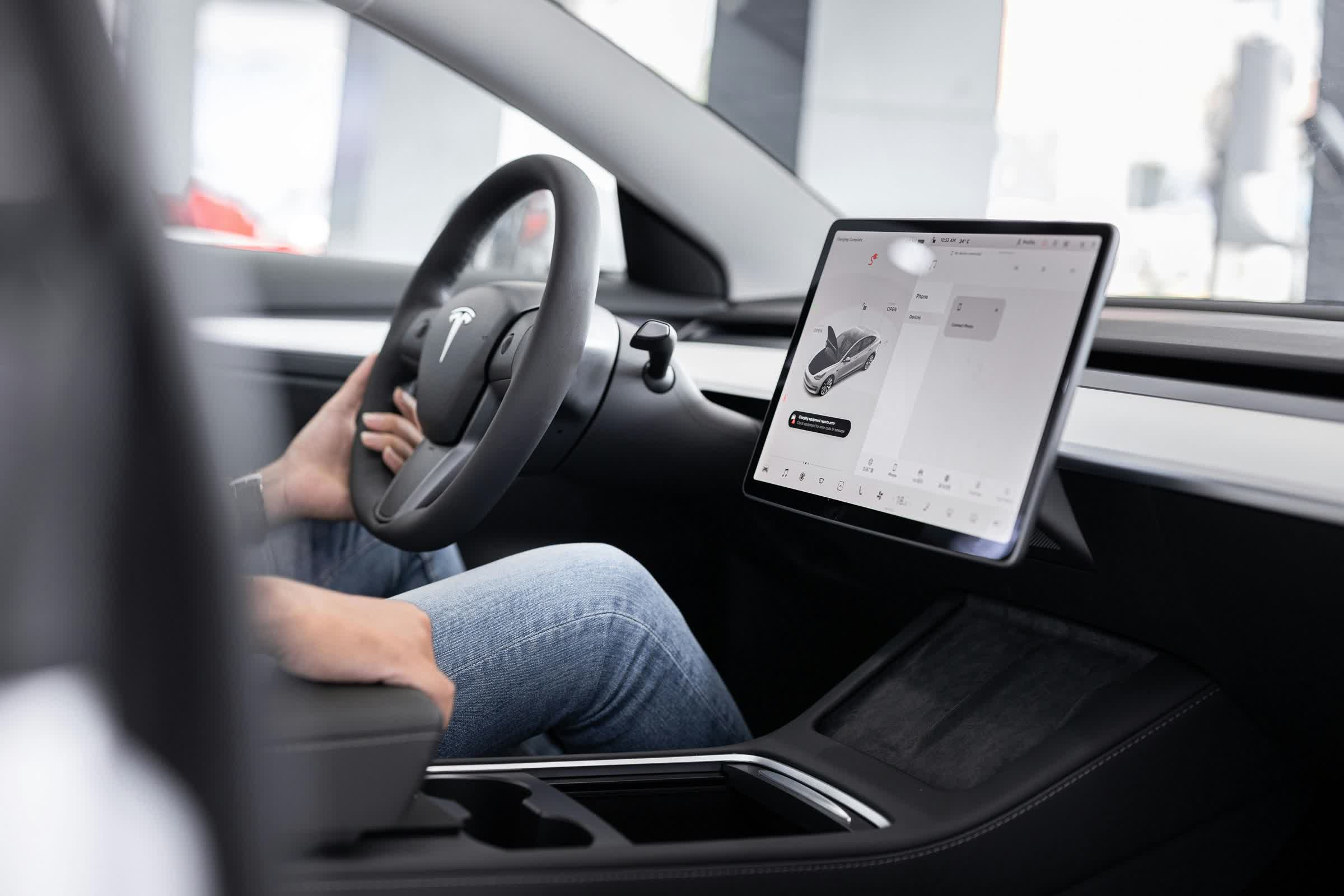
The study adds that many lessees might find it more economical to lease a new EV instead of buying their current vehicle at the end of their lease term as prices continue to fall and automakers keep introducing new models.

The average monthly payment for current EV lessees is $584, according to the study, with an average residual value of leased vehicles of $29,645. The projected monthly cost to buy out the lease is $477, while the average monthly lease payment for a new EV in the same category is $457.

Meanwhile, the average price for a new EV, including incentives, has fallen to $35,900 – a substantial decrease of $12,700 from the 2022 average of $48,500.
This price reduction is occurring alongside an expansion of the EV market. Major automakers are diversifying their electric offerings. General Motors already has nine electric models available, with more in development. BMW, Hyundai, Kia, and Stellantis are also expanding their EV portfolios, and more affordable versions of existing models are being introduced. These developments will likely further drive down prices.

At the same time, consumer attitudes towards EVs are shifting. An overwhelming 94 percent of current EV owners indicated they would likely consider an EV for their next vehicle purchase, which suggests that the market for both new and used EVs is likely to remain robust. There could be another surge in the used EV market in 2028 and 2029, as many of those who lease new EVs in the coming years may opt to end their contracts and upgrade to newer models.

However, some uncertainties in the market will affect buyers. For example, the future of tax credits and incentives for EV purchases remains unclear, and changes in these policies could significantly impact market dynamics.

The study also noted a projected 2 percent decrease in returning EV leases for the coming year before the expected surge in 2026 – a short-term fluctuation that underscores the complexity of the evolving EV market.

Permalink to story:

 
"Meanwhile, the average price for a new EV, including incentives, has fallen to $35,900 – a substantial decrease of $12,700 from the 2022 average of $48,500."

Where? how? Who offers a $35k EV? Cheapest I've seen is the hyundais and they are still mid 40K range.
 
The article starts off with : "EV buyers are more satisfied with their vehicles"

I live in Canada. I have not heard a single EV owner express this... in fact... given the chance every EV owner I have asked about their car regrets it citing inaccurate battery life estimates, difficulty finding charging stations that work... so much so any trip needs to factor a charging stop that has the potential to up-end the whole trip if it's not working. Stupid long charge times and the businesses around charging stations are upping prices on everything around them to target these wealthy suckers sitting around. Don't even start me on cold weather performance.

EVs and the infra they require are not ready yet.
 
"Meanwhile, the average price for a new EV, including incentives, has fallen to $35,900 – a substantial decrease of $12,700 from the 2022 average of $48,500."

Where? how? Who offers a $35k EV? Cheapest I've seen is the hyundais and they are still mid 40K range.


“Journalists” like to include tax rebates in their prices. It’s dishonest, but given who controls them, it’s hardly surprising.
 
I want to know what is going to happen with all of the EVs with dead batteries.
Their batteries are in a way like engines that never break when they are newer, which is really nice.
But eventually, we know how long most batteries last till they are dead dead, having observed it from older EVs.
Will people just ship them to junkyards?
I do not think people will be buying new batteries for their old Tesla Y X or Z.
The only possibility I see is much cheaper, smaller batteries made in third party factories.
So cheap that they will in fact be worth putting in a fairly old EV.
If this does not happen, we will see far fewer old EVs driving.

I would not want an EV that is older than few years unless I was planning to sell it within the next 5 years.
I suspect that a lot of people who will risk buying much older EVs will think they can repair
them on a budget like it is possible with gasoline cars if they were not driven for 300000 miles. Then they will be shocked. Then disappointed. Then in a need of buying something extremely cheap because their car is worth literally 0
 
Last edited:
The article starts off with : "EV buyers are more satisfied with their vehicles"

I live in Canada. I have not heard a single EV owner express this... in fact... given the chance every EV owner I have asked about their car regrets it citing inaccurate battery life estimates, difficulty finding charging stations that work... so much so any trip needs to factor a charging stop that has the potential to up-end the whole trip if it's not working. Stupid long charge times and the businesses around charging stations are upping prices on everything around them to target these wealthy suckers sitting around. Don't even start me on cold weather performance.

EVs and the infra they require are not ready yet.
No, just not all EV's are built well. My F-150 Lightning and the Rivian truck both survived Car and Drivers "Make it to Juno, Alaska" road test. They both have battery heaters.
 
“Journalists” like to include tax rebates in their prices. It’s dishonest, but given who controls them, it’s hardly surprising.

How is it dishonest? That's the final price of the car. I got $7.5k from fed and $4k from state. I was not supposed to factor those in when car shopping?
 
I want to know what is going to happen with all of the EVs with dead batteries.
Their batteries are in a way like engines that never break when they are newer, which is really nice.
But eventually, we know how long most batteries last till they are dead dead, having observed it from older EVs.
Will people just ship them to junkyards?
I do not think people will be buying new batteries for their old Tesla Y X or Z.
The only possibility I see is much cheaper, smaller batteries made in third party factories.
So cheap that they will in fact be worth putting in a fairly old EV.
If this does not happen, or we will see far fewer old EVs driving.

I would not want an EV that is older than few years unless I was planning to sell it within the next 5 years.
I suspect that a lot of people who will risk buying much older EVs will think they can repair
them on a budget like it is possible with gasoline cars if they were not driven for 300000 miles. Then they will be shocked. Then disappointed. Then in a need of buying something extremely cheap because their car is worth literally 0

Will people ship them to junk yards? Are you for real? Have you ever owned a car before? What do you think happens to gas cars with all those toxic fluids and metals?

https://www.tesla.com/support/sustainability-recycling

People buy new engines and transmissions so why not new batteries if the rest of the car is perfect?

"How Much Does It Cost to Replace a Tesla Battery?

In the event your Tesla needs an out-of-warranty battery replacement, you can expect to pay between $10,000 and $20,000 depending on the model, local labor costs, and taxes. Tesla tends to use remanufactured battery packs to keep the replacement price lower than buying a new pack. It also makes sure the capacity of the pack is equal to or higher than the original pack so customers won't see any range loss. Some Tesla owners have shared invoices online showing that a remanufactured 85-kWh Model S pack costs about $12,000, and a 74-kWh Model 3 pack costs about $10,000."

Batteries will last a very long time. I have an 8y warranty on them. They keep improving every year too. Car engine at 200k is on it's death bed. Transmisison probably went out long before that. How many know to change differential oil? None. So that's on it's way out too. I've had plenty of gas cars to have every possible issue happen.

I paid exactly 0 maintenance the entire year of owning my Tesla. I might have used the brakes less than 10 times before I learned to drive without them so even wear items like break pads are brand new.

My first big expense will be windshield washer fluid.

 
No, just not all EV's are built well. My F-150 Lightning and the Rivian truck both survived Car and Drivers "Make it to Juno, Alaska" road test. They both have battery heaters.

Exactly. They lump all the EVs in one. Initially Tesla had a 300mile range on my car which was too high but then they adjusted it to 270 and that is pretty close to what I can get.
 
"Meanwhile, the average price for a new EV, including incentives, has fallen to $35,900 – a substantial decrease of $12,700 from the 2022 average of $48,500."

Where? how? Who offers a $35k EV? Cheapest I've seen is the hyundais and they are still mid 40K range.

45k - 7.5k = 37.5k minus any state rebates and you're under 35k.
 
Who offers a $35k EV? Cheapest I've seen is the hyundais and they are still mid 40K range.
It tends to be smaller EV's like the Dasia Spring, Fiat 500e, Mini electric, Citroen E-C3, MG4, Hyundai Kona and possibly the Kia eNiro. If you want to spend less, or buy more car, then it's probably more sensible to buy 2nd hand as they don't go wrong and there's almost no servicing to miss etc. Buying a used Tesla or Kia etc is a fairly safe bet.

To get the full advantages of EV ownership, it's probably best if you have offroad parking so you can charge at home, if you do less than 200 miles per day and you don't live in the frozen north.
 
I ran 2 EV's over 3 years, a Mazda MX-30 and an MG MG4 + spent on a home charger install.

Today, I drive a petrol vehicle again. The cars themselves were largely fine, they were on price parity with similar ICE vehicles, and charging at home for under £8 and 250-300 mile range is undeniably cheaper than any ICE vehicle.

I ditched mine because of the terrible state of public rapid chargers that you have to use sometimes. They are all universally s***. They all need an app, you need mobile service, you have to make accounts for EACH ONE, many need pre-loaded credit (no refunds if you don't need it all), lots are broken down constantly, people park ICE vehicles in charging bays and software compatibility means some charging brands don't work with all cars.

So saving the polar bears took a back seat, as you can't beat a full tank of petrol in under 3 minutes and it's a reliable fill every time. Can also pay with a bank card or Apple Pay, something of a rarity on EV chargers...
 
How is it dishonest? That's the final price of the car. I got $7.5k from fed and $4k from state. I was not supposed to factor those in when car shopping?

1) not everyone makes enough to get a full 7.5k rebate, especially those looking for cheaper EVs, and 2) that only applies to your first EV purchase. If you were an early adopter, then no, there are no $35k EVs.

Will people ship them to junk yards? Are you for real? Have you ever owned a car before? What do you think happens to gas cars with all those toxic fluids and metals?

Well, a lot of them seep into the earth and poison water tables. In case you were wondering why so many tons outlaw junkyards in their zoning regulations.


https://www.tesla.com/support/sustainability-recycling

https://www.theguardian.com/environ...shredded-the-truth-about-our-electronic-waste


Yeah, because saying "we recycle" is the same as actually DOING it


People buy new engines and transmissions so why not new batteries if the rest of the car is perfect?


"How Much Does It Cost to Replace a Tesla Battery?


In the event your Tesla needs an out-of-warranty battery replacement, you can expect to pay between $10,000 and $20,000 depending on the model, local labor costs, and taxes. Tesla tends to use remanufactured battery packs to keep the replacement price lower than buying a new pack. It also makes sure the capacity of the pack is equal to or higher than the original pack so customers won't see any range loss. Some Tesla owners have shared invoices online showing that a remanufactured 85-kWh Model S pack costs about $12,000, and a 74-kWh Model 3 pack costs about $10,000."

$20k. I can get a new re manufactured engine AND transmission for my 91 truck for $3k combined. Even my newer car, it's $4k for a new crate engine installed. $20k is an insane amount.


Batteries will last a very long time. I have an 8y warranty on them. They keep improving every year too. Car engine at 200k is on it's death bed. Transmisison probably went out long before that. How many know to change differential oil? None. So that's on it's way out too. I've had plenty of gas cars to have every possible issue happen.


I paid exactly 0 maintenance the entire year of owning my Tesla. I might have used the brakes less than 10 times before I learned to drive without them so even wear items like break pads are brand new.


My first big expense will be windshield washer fluid.

Funny, I can claim silly numbers too.


Hyundai ioniq 5. just over 100k miles. Dead battery. Replacement is 50k! Not 10, not 20. 50.


https://globalnews.ca/news/10103753/electric-car-shock-50000-battery/


Oops.
 
Lease them. Don't buy them - at least not until you've owned one long enough to understand it.

EV typically requires lifestyle changes. If you only charge at home, it's not bad, but when you factor in public charging and road trips, suddenly ownership takes on a new meaning.

Then there's parts availability. If anything fails or stops working, it can take months to get parts in some models - unless your dealer cannibalizes a car to move your work order.

I have a 3 year lease on a fully loaded Lyriq Luxury 3. $1000 a month. It's been a wonderful experience, but as new models come to market, you end up either wanting the new thing or wondering what you'll do when your lease ends. Some dealers don't allow you to buy the vehicle. Some do.
 
Nonsensical, unreliable, wasteful toys. EV's are ubiquitos where I live and they're horrendous with endless problems, spontaneous combustion, terrible charing times and charger availability.

The second hand EV market is a disaster, with second hand costing a tenth, if not less than new. A 20K EV can sell for 2K if lucky due to nobody trusting them (battery and engine status).
 
The U.S. electric vehicle (EV) market is becoming increasingly accessible thanks to a combination of factors, according to a recent J.D. Power study. Falling prices, growing model options, and a large number of off-lease vehicles are driving this shift. Here’s a breakdown of the key points:

  1. Falling EV Prices: The average cost of new EVs has dropped significantly, now around $35,900 – down $12,700 from 2022. This price reduction, supported by incentives and growing competition, makes EVs more affordable than ever.
  2. Off-Lease EV Surge: By 2026, over 250,000 off-lease EVs will re-enter the market, creating a greater supply of affordable used EVs. The rise in leasing (up 355% in 2023) has set up a strong future market for secondhand EVs, potentially driving down used EV prices.
  3. Expanding Model Diversity: Automakers like General Motors, BMW, Hyundai, and Kia are releasing more EV models, including affordable options. This broadens choices for consumers and supports lower prices as competition intensifies.
  4. Leasing Economics: Falling new EV prices and more diverse models mean that many current lessees may prefer leasing a new EV rather than purchasing their leased vehicle at the end of the term. The average monthly lease payment for new EVs has become competitive, costing around $457, which is less than the average buyout cost.
  5. Policy Uncertainties: While the market is favorable, uncertainties around EV tax credits and incentives could impact future affordability, depending on how policies evolve.
Overall, the next few years offer a unique opportunity for consumers to enter the EV market, both for new and used models, with favorable leasing and purchasing options widely available. However, policy changes could influence these dynamics, so staying informed will be key for prospective EV buyers.
 
I want to know what is going to happen with all of the EVs with dead batteries.
Their batteries are in a way like engines that never break when they are newer, which is really nice.
But eventually, we know how long most batteries last till they are dead dead, having observed it from older EVs.
Will people just ship them to junkyards?
I do not think people will be buying new batteries for their old Tesla Y X or Z.
The only possibility I see is much cheaper, smaller batteries made in third party factories.
So cheap that they will in fact be worth putting in a fairly old EV.
If this does not happen, or we will see far fewer old EVs driving.

I would not want an EV that is older than few years unless I was planning to sell it within the next 5 years.
I suspect that a lot of people who will risk buying much older EVs will think they can repair
them on a budget like it is possible with gasoline cars if they were not driven for 300000 miles. Then they will be shocked. Then disappointed. Then in a need of buying something extremely cheap because their car is worth literally 0
If you're worried about the state of the battery pack the dealer service department can pull a complete record of the state of the battery. While the basics of these batteries are similar to cell phones they have a much better heat management system that makes the batteries good for 10-20 years (most of them have factory warranties for 8 years/100,000 miles that I believe is transferable to a used car buyer. So, unless you intend to keep it beyond that (and you will know if you're starting to see battery degradation) you will know if the battery is going to fail on you. While they are not great road trip cars (that's why your better half has a gasoline/hybrid vehicle) they are tremendous as commuter cars as long as you can charge at home (and hopefully can garage for more efficiency charging). I picked up a cheap lease on an EV (and I don't drive farther than the RT range of my EV - around 250-300 miles max) and I love it. It's dead quiet - quieter than my Infiniti J30 which was a great round trip car - and has wicked acceleration due to the high torque of all EVs. Try one - you can usually get a 2-3 year lease for around $200/month with incentives (do it before Trump tries to cancel them all).
 
I want to know what is going to happen with all of the EVs with dead batteries.
Their batteries are in a way like engines that never break when they are newer, which is really nice.
But eventually, we know how long most batteries last till they are dead dead, having observed it from older EVs.
Will people just ship them to junkyards?
I do not think people will be buying new batteries for their old Tesla Y X or Z.
The only possibility I see is much cheaper, smaller batteries made in third party factories.
So cheap that they will in fact be worth putting in a fairly old EV.
If this does not happen, or we will see far fewer old EVs driving.

I would not want an EV that is older than few years unless I was planning to sell it within the next 5 years.
I suspect that a lot of people who will risk buying much older EVs will think they can repair
them on a budget like it is possible with gasoline cars if they were not driven for 300000 miles. Then they will be shocked. Then disappointed. Then in a need of buying something extremely cheap because their car is worth literally 0

Tesla is reporting that there are not 50 people who have come in to have the batteries replaced because they 'wore out' or 'won't charge anymore'. The old story of 100k mile batteries is over and batteries are lasting 250k or more miles with no problems. YES the batteries in cars are like everything else they don't hold as much charge as they used too as they get charged more and more often but the drop is not 10% or more.
 
Tesla is reporting that there are not 50 people who have come in to have the batteries replaced because they 'wore out' or 'won't charge anymore'. The old story of 100k mile batteries is over and batteries are lasting 250k or more miles with no problems. YES the batteries in cars are like everything else they don't hold as much charge as they used too as they get charged more and more often but the drop is not 10% or more.
Why do people always speak about how many miles/charges EV batteries can sustain, but hardly ever mention the age.
Here is a scenario. A person buys EV, keeps it for a very long time, driving it very little few days a week.
Let's add another person who buys a gasoline car, and also keeps it for a long time, driving it very little during the week.
Which car would be more attractive years later, the one that does not have a huge battery that definitely ages, or the one which is made of metal not so easily susceptible to aging.

I know, this is not something a lot of people care. But it matters. A lot of EVs at the end of their battery life mean a lot of people simply unable to either buy a new EV or even afford a new battery.
I never argue about the obvious advantages of EV. But in some scenarios, an EV is a worse choice. Having your moving part consisting of a simple structure is advantageous. EVs are very attractive as a new or fresh car. But as they get older, they advantages evaporate.

Which is why battery makers not only need to work on fast charging or the number of recharge cycles, but also on making sure those batteries last as long as an ICE cars can last.
They should not age to die, but rather age to lose portions of their body and offering ability to be used after minor fixes.

Batteries age to die, that is one of the biggest problem most people do not know. I know they do not know because I hardly ever see people discussing this topic.
 
Back