
Facepalm: Nintendo's Switch 2 has flown off store shelves, but the console's new physical media format has developers and players equally frustrated. The company's decision to limit cartridge options has turned what should have been a straightforward upgrade into an industry sore spot.
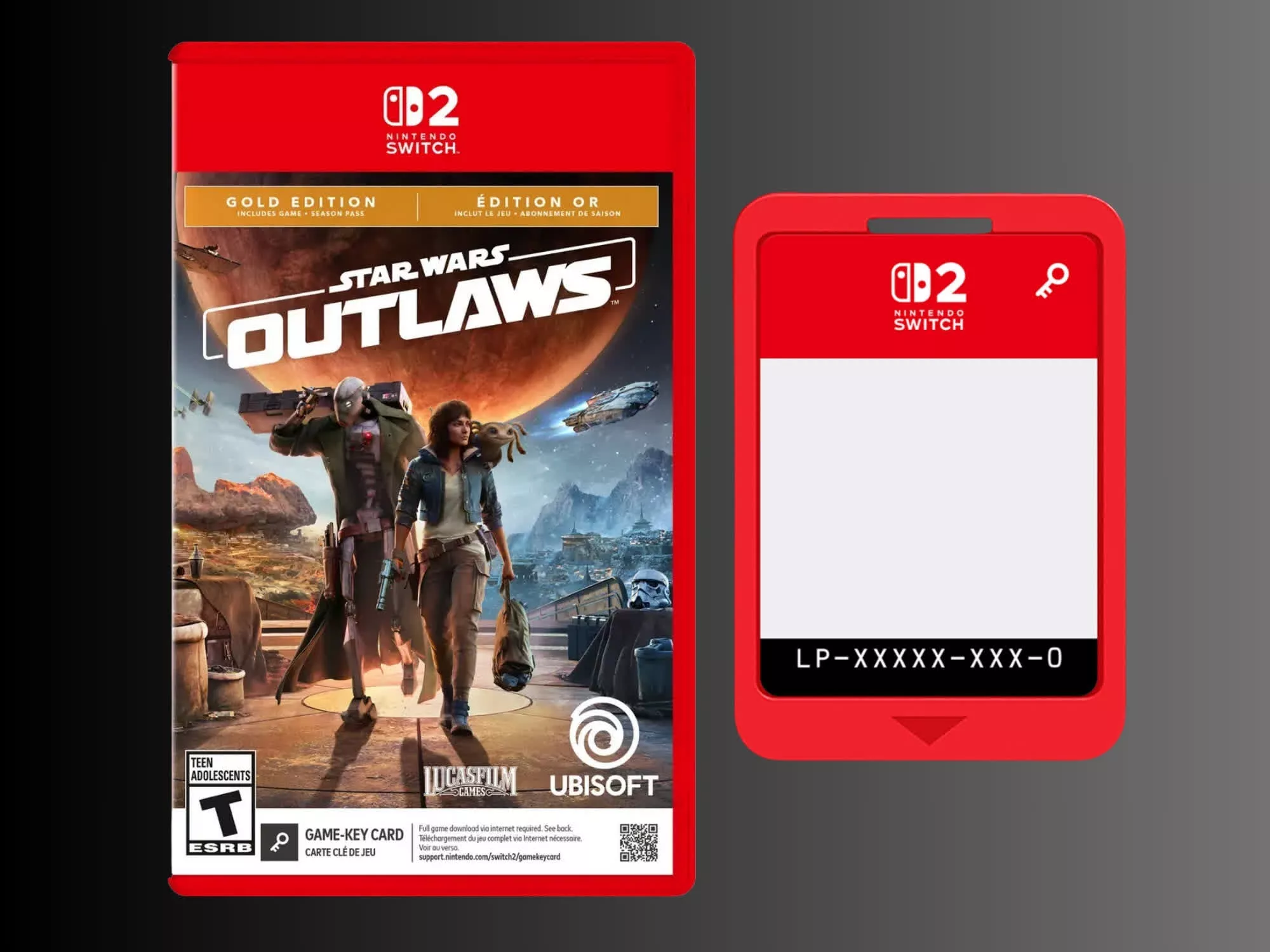
Past Nintendo consoles offered a range of cartridge storage capacities, allowing publishers to balance memory needs with production costs. The Switch 2 pares those choices down to just two: 64GB cartridges – the most expensive format – or Virtual Game Cards. Known among players as "key cards," these are cheaper to produce but force users to download large chunks of data.
The cards have proven especially unpopular. Players must keep one inserted to play, but it's really just a proof-of-purchase that triggers a download.
"The key card feels rather half-baked as it combines the drawbacks of both the physical and digital versions," Kazunori Ito, an analyst at Morningstar, told Bloomberg Japan.
Sales data underscores the problem. Daemon X Machina: Titanic Scion launched in the UK on a standard cartridge, where 72 percent of boxed copies sold on the Switch 2. By contrast, Nintendo released the same game as a Virtual Game Card in Japan, and only 40 percent of its physical sales landed on the Switch 2.
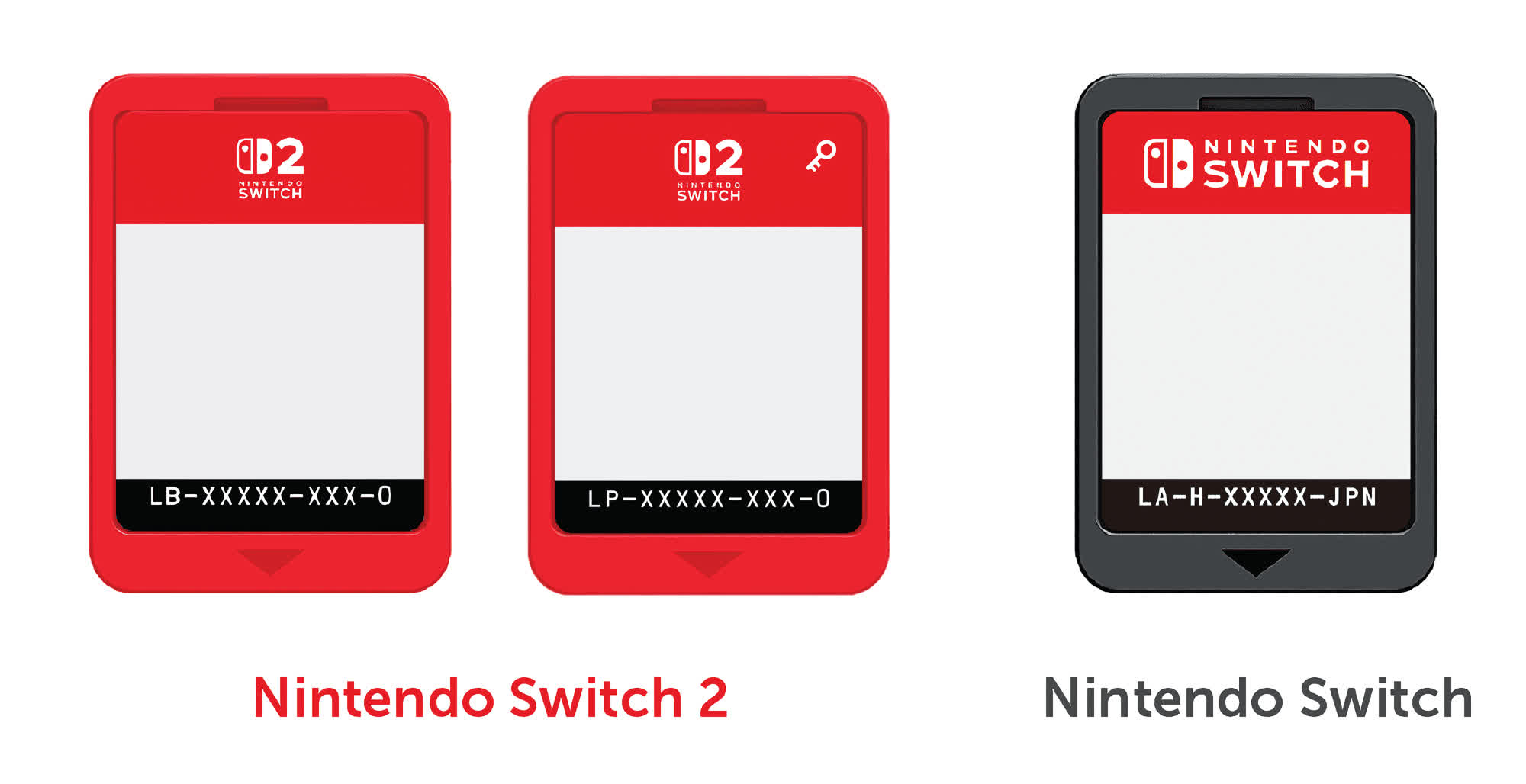
If you are looking for a physical game, watch out for a notation next to the ESRB rating on the box or a key icon on the cartridge when buying used without a box.
Nintendo says the format helps keep games affordable. Its cartridges rely on flash memory, which costs significantly more than the discs used by PlayStation and Xbox. Since many modern games require over 100 gigabytes of storage, a cartridge large enough to hold an entire title could easily add $10 to $20 or more to the retail price.
The debate comes as developers face mounting pressure from mobile and live-service giants that capture most players' attention. Studios had hoped Nintendo's console refresh would boost sales across the board, but restrictive media options are making it harder for outside creators to capitalize on the Switch 2's early success.
Nintendo's cartridge strategy has faced similar blowback since the Switch 2 launch. Earlier this year, Ubisoft developers flagged Switch 2 Virtual Game Cards as a bottleneck for high-performance titles, noting that the format lags far behind the console's internal SSD or MicroSD Express cards in raw speed. The limitation has already influenced decisions about how studios deliver blockbuster ports.
"For the Switch 2 to be successful in the long run, it needs to become a more attractive platform for outside game developers," Ito said. Right now, Virtual Game Cards are doing the opposite.
Even game developers hate Nintendo's Switch 2 virtual game cards


